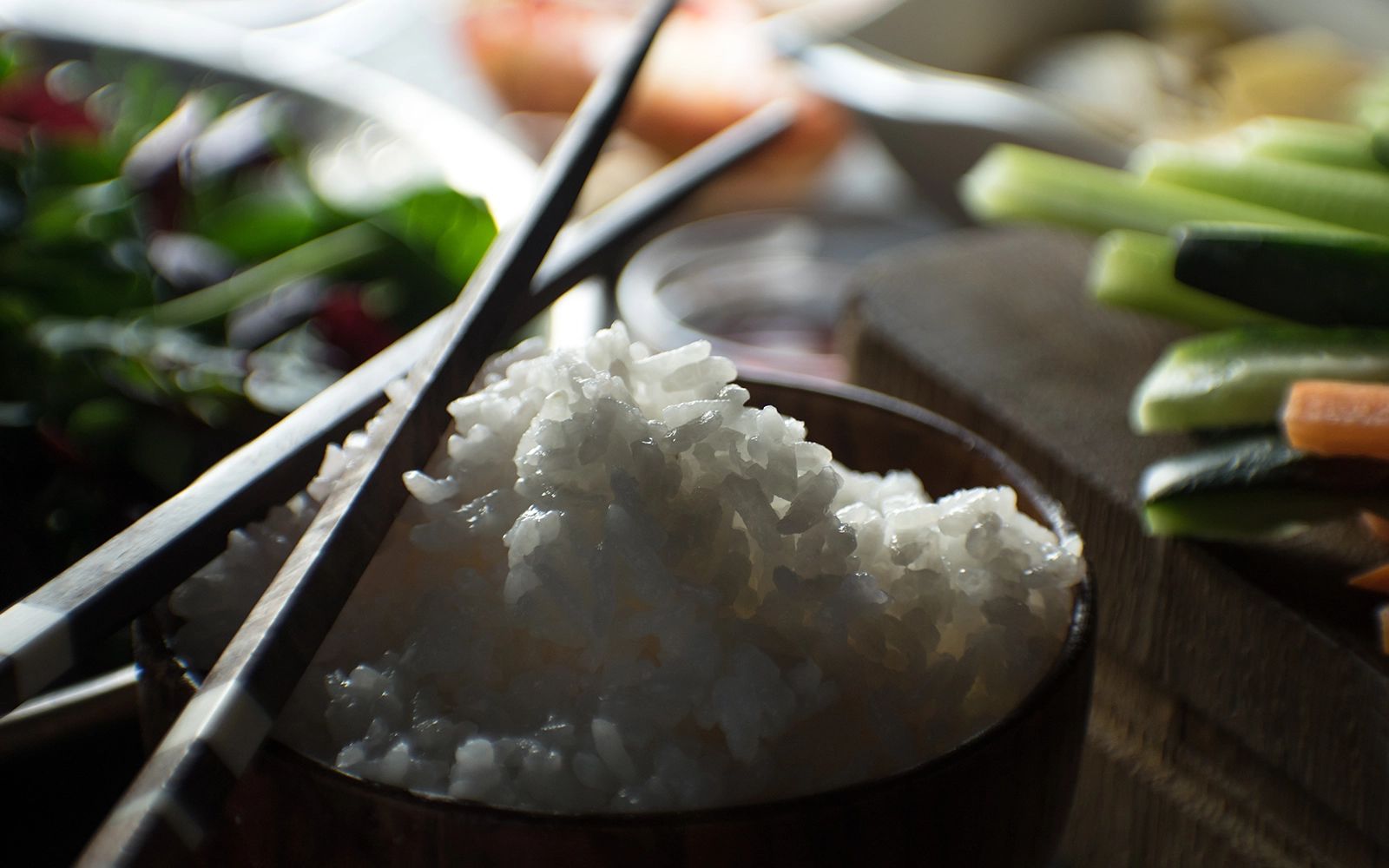
Would you believe that eating rice kept in the refrigerator overnight can be good for your health? It may sound surprising, but there is real science behind this idea.
The key lies in a type of carbohydrate called resistant starch, which behaves differently in your body and offers important benefits for gut health and beyond.
What is resistant starch?
Most carbohydrates you eat – such as rice, bread, noodles and potatoes – are broken down into glucose in the small intestine and absorbed into the bloodstream.
Resistant starch, however, “resists” digestion because your enzymes cannot break it down.
Instead, it travels to the large intestine, where it becomes food for beneficial gut bacteria. When these bacteria ferment resistant starch, they produce short-chain fatty acids like butyrate, which help nourish the gut lining, reduce inflammation, and support overall digestive health.
In simple terms, resistant starch acts like a special kind of fibre that feeds your gut.
Why does gut health matter?
A healthy gut is linked not only to digestion, but also to immunity, metabolism, and long-term disease risk.
Supporting your gut does not require expensive supplements. Often, it begins with simple food habits.
Understanding the different types of resistant starch
Resistant starch exists in several forms:
1. Naturally protected starch (RS1)
This type is physically “locked” within whole plant foods, making it harder to digest. As a result, part of it reaches the large intestine and feeds gut bacteria.
Sources include:
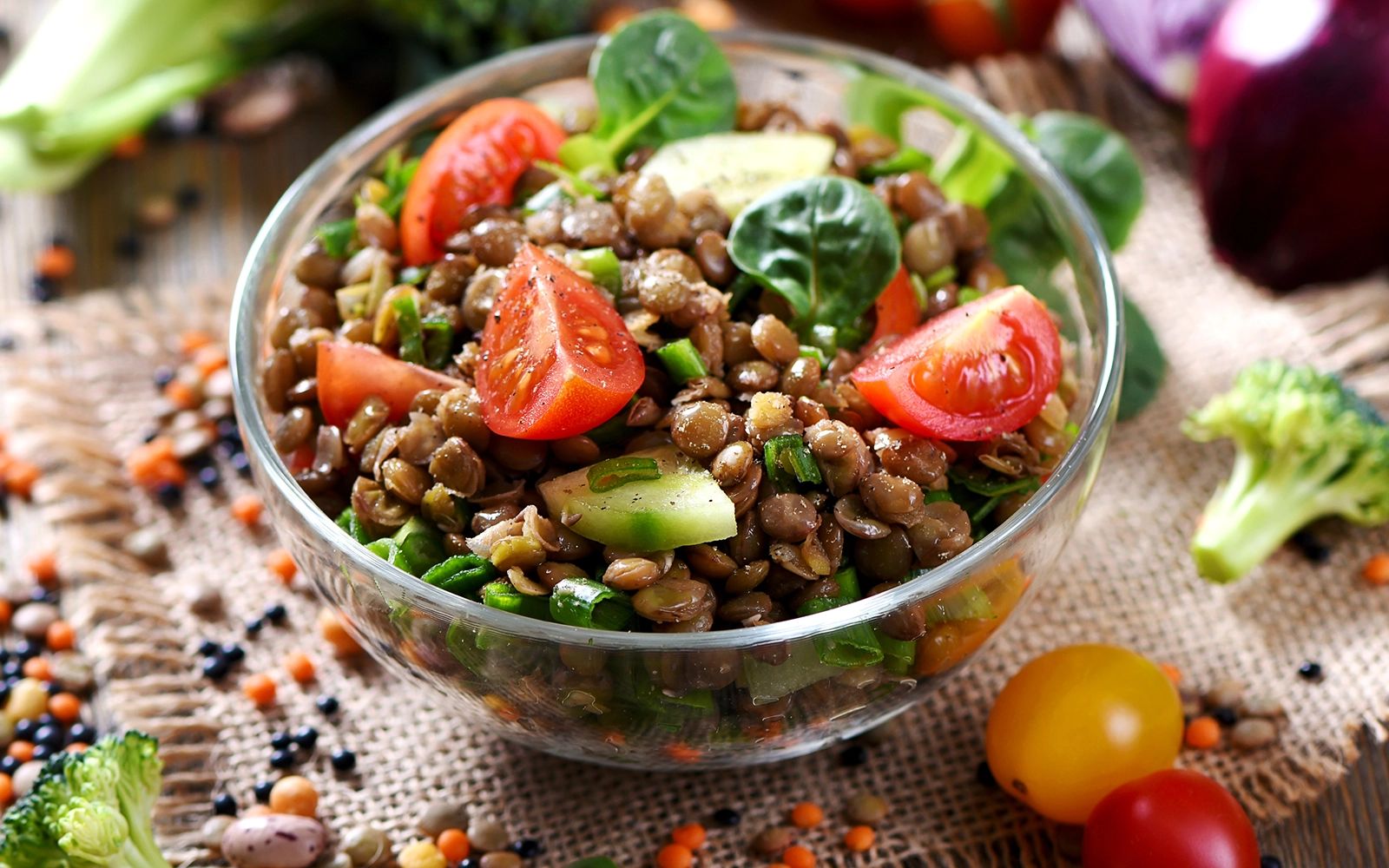
- Lentils, dhal, chickpeas
- Whole grains like oats, brown rice, and barley
- Seeds such as chia, flaxseed, and millet
Meals like dhal with brown rice or overnight oats with seeds are excellent examples. These foods also help slow glucose release, supporting steadier energy and blood sugar control.
2. Naturally resistant starch (RS2)
RS2 has a tightly packed structure that naturally resists digestion.
Sources include:
- Green (unripe) bananas
- Plantains
As bananas ripen, this resistant starch turns into sugar. A firmer, less sweet banana contains more RS2. Adding green banana to a smoothie is one simple way to include it.
RS2 supports gut bacteria and may improve insulin sensitivity over time.
3. Cooked and cooled starch (RS3)
This is especially relevant in your everyday meals.
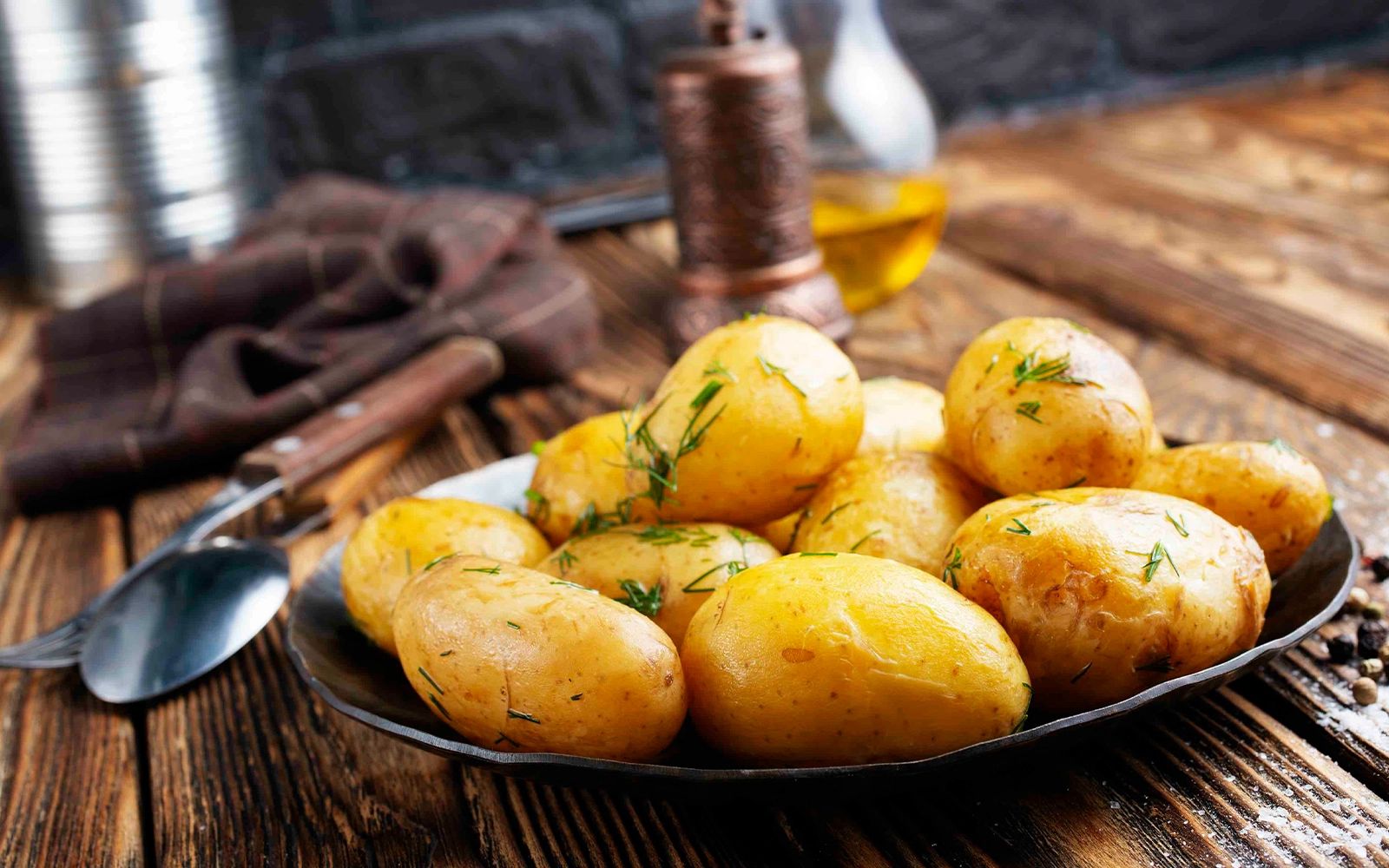
When foods like rice, potatoes, or noodles are cooked, their starch becomes easier to digest. However, when cooled for at least 12 hours, part of the starch changes structure in a process called retrogradation, forming resistant starch.
Examples include:
- Leftover rice
- Potato salad, pasta salad, sushi
- Cooked and cooled noodles or pasta
Reheating does not fully reverse this change, so you can still enjoy these foods warm while retaining benefits. Even common practices like cooking rice ahead for fried rice naturally increase resistant starch intake.
RS3 helps feed the gut and may reduce blood sugar spikes after meals, which is helpful for those with diabetes or prediabetes.

4. Modified starch (RS4)
This type is created during food processing and added to foods to boost fibre or improve texture.
You may see it on labels as:
- Tapioca fibre
- Resistant wheat starch
- Modified starch
It is commonly found in protein bars, breakfast cereals, and low-carb breads. While it can contribute to fibre intake, it should not replace whole food sources.
Is resistant starch good for blood sugar and weight?
Yes. Resistant starch is digested more slowly, helping to reduce sharp blood sugar spikes after meals and improve insulin sensitivity over time. It can also help you feel fuller for longer, supporting better portion control.
Resistant starch is not a new trend – it is already present in many familiar foods.
By making small, thoughtful choices, such as including legumes, choosing whole grains, and enjoying leftover rice, you can support your gut health in a natural and sustainable way.
Sometimes, better health is not about changing everything you eat, but about making better use of the foods you already enjoy.
Read more articles by Indra Balaratnam here.
Indra Balaratnam is a consultant dietitian and a fellow of the Malaysian Dietitians’ Association. She runs her own private practice, Indra Balaratnam Nutrition, in Kuala Lumpur. Connect with her on Facebook and Instagram.