
Worldwide, kombucha began appearing more widely in stores circa 2015-2016 and has since grown into a global industry.
The functional drinks market is projected to reach US$248 billion by 2030, with kombucha alone expected to hit US$9 billion, driven by demand for low-sugar, probiotic-rich options linked to gut health.
Kombucha became part of 26-year-old Aisyah Adrina Suhaimi’s routine in early adulthood, influenced by friends and its perceived health benefits.
“I like the tangy, fizzy taste, and I’ve noticed it helps with digestion,” said the postgraduate student, who spends RM10-RM15 per bottle. She said it has also been beneficial for her weight-loss journey.
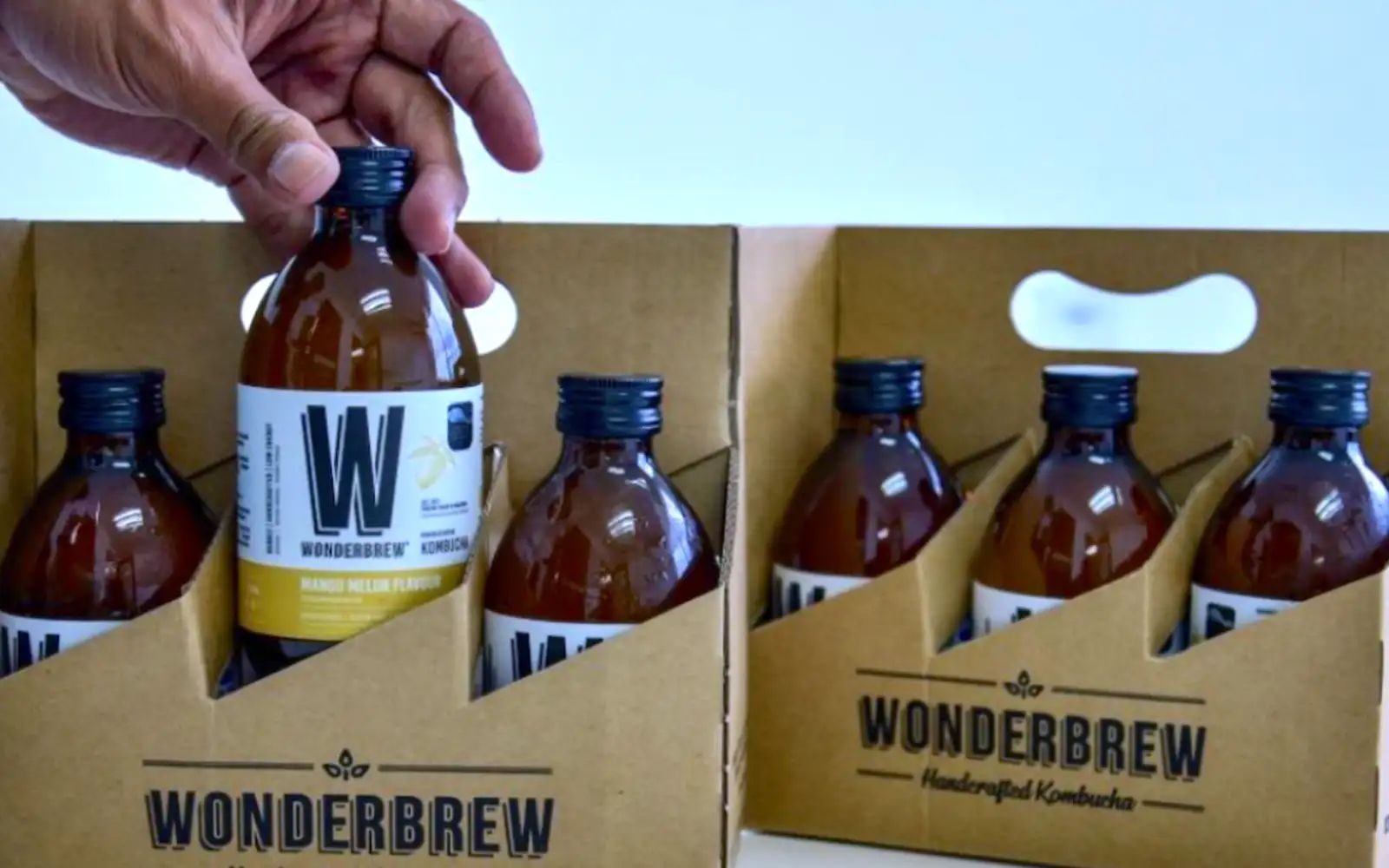
Joseph Poh, founder of local brand WonderBrew, said kombucha is increasingly seen as a substitute for sugary soft drinks.
“Our drinks are for people on the go who want to support gut health. Most of our customers are aged between 18 and 45, with strong interest from women,” he said.
Universiti Malaysia Sabah lecturer Nazri Abdul Rahman said the drink’s rise reflects broader wellness trends, including reduced sugar intake and growing interest in fermented foods.
He cautioned, however, that health claims can be misleading due to variations in sugar content, acidity, microbial composition and alcohol levels.
“Not all commercially available kombucha aligns with the healthy image presented in marketing,” he explained.
Nazri urged consumers to read labels carefully and treat kombucha as part of a balanced diet, rather than a cure-all.
Looking ahead, Malaysia’s kombucha industry is expected to grow, supported by rising demand for functional, health-focused and halal-compliant beverages.
Future developments will likely centre on product innovation, stricter regulation and quality assurance, particularly around alcohol content and certification.
Tradeview Research senior analyst Tan Jia Hui said pricing may remain a challenge due to the premium positioning of the beverage.
Even so, the market is projected to see steady double-digit growth over the next three to five years, as more consumers shift away from traditional carbonated drinks.