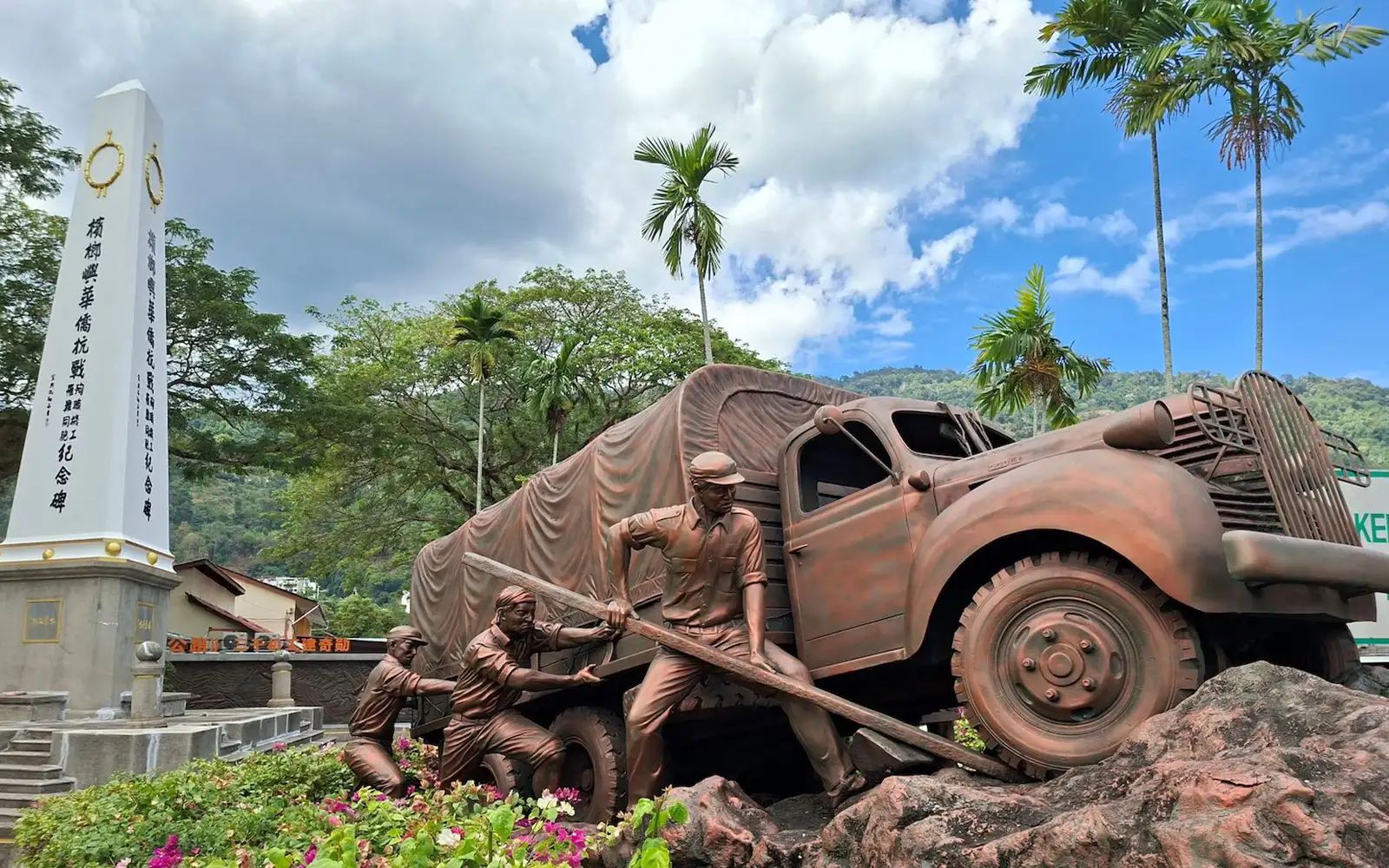
Kartar Singh, Dara Singh and Sardara Singh left home together to work along the Burma Road, a dangerous but vital supply route linking Kunming, China to Lashio, Burma.
Sadly, one of them would not make it home.
Their story stands as a powerful tribute to the patriotism of the overseas non-Chinese community and their role in China’s struggle against aggression, as well as the broader fight against fascism.
On July 7, 1937, the Sino-Japanese War began, prompting the Chinese government to secure alternative supply routes as Japanese naval forces blockaded its seaports. This led to the construction of the Burma Road – China’s only lifeline to the outside world.
However, given a severe shortage of skilled drivers and mechanics, the China Relief Fund led by Tan Kah Kee launched a recruitment drive across Nanyang, or Southeast Asia, on Feb 7, 1939.
By September, more than 3,000 volunteers had responded, including not only those of Chinese descent but also Malays, Indians, and a contingent of Chinese women.
Between February and August 1939, these volunteers travelled from Malaya and Singapore in several groups, serving primarily as truck drivers and mechanics. Their role was crucial: to transport military supplies from Lashio to Kunming.
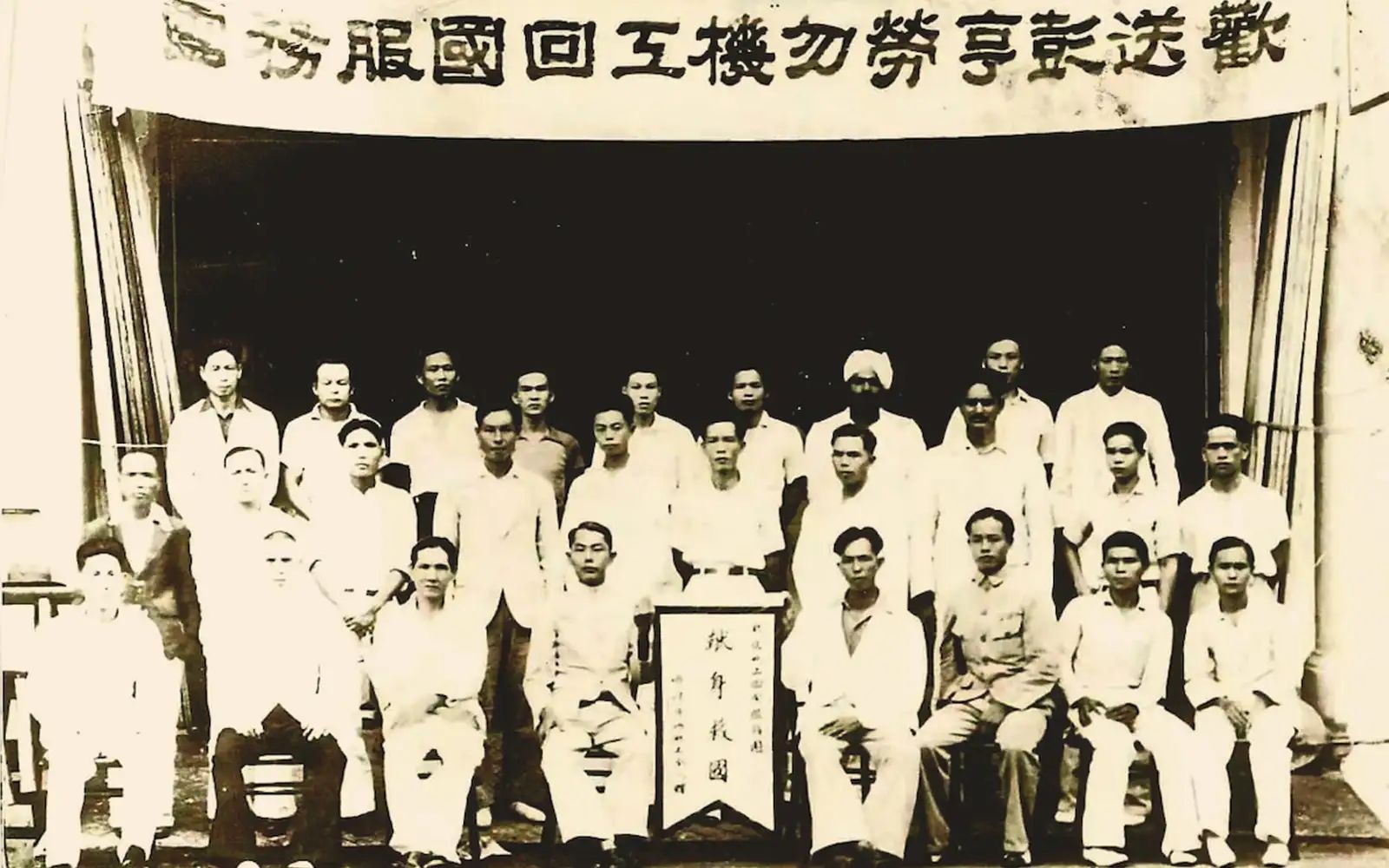
The Burma Road, stretching some 1,150km through rugged terrain, was both a lifeline and a perilous path. The sacrifices were immense, with nearly half of the volunteers believed to have lost their lives due to illness, accidents or Japanese air attacks.
It has been said that for every 1km of road, a life was lost.
The Nanyang Volunteers became indispensable to wartime logistics, ensuring vital supplies continued to reach China despite immense challenges. Many later chose to remain in Yunnan, their lives forever intertwined with the land they had served.
Records from the Yunnan Provincial Archives, dated June 30, 1941, shed light on the contribution of non-Chinese volunteers. In the second brigade of the Overseas Transportation Teams alone, there were 97 individuals – 55 Indians, 18 Malays, 11 Burmese and two Indonesians, with around 20 of the Indians identified as Sikhs.
Among them were the three brothers from Taiping.
Their story continues through Dara Singh, who was born in 1914 into a family with a strong legacy of service. His father, Mota Singh, had served in Mesopotamia in 1915.
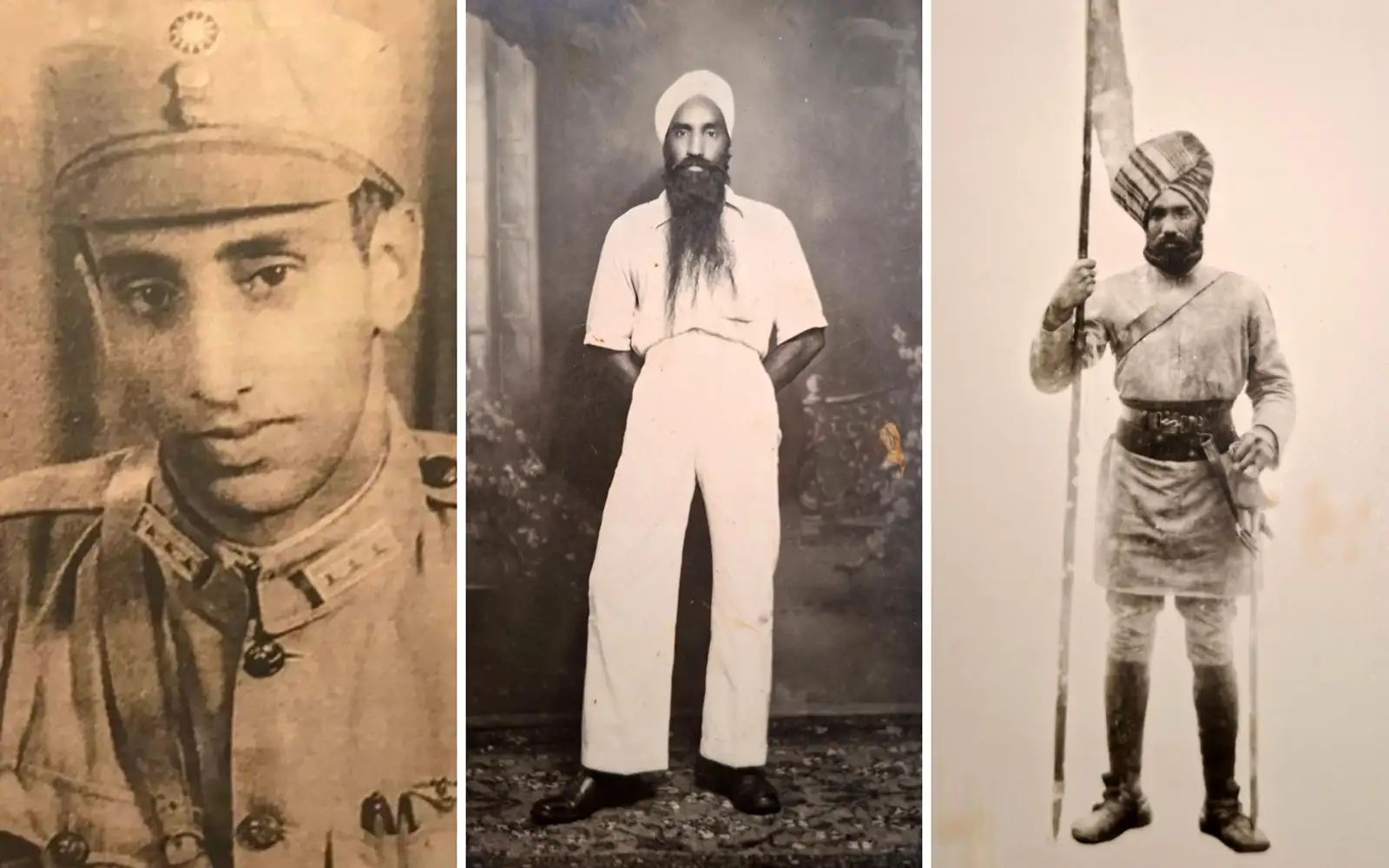
Dara was educated at King Edward VII School in Taiping, where he passed the Senior Cambridge examination. In 1934, he joined the Malayan police force as a drill instructor before leaving to train as a motor mechanic.
This combination of discipline, technical skill and education would later prove invaluable. When the call for volunteers came, Dara and several of his fellow alumni answered it, joining the transport division of Chiang Kai-shek’s forces along the Burma Road.
Like many others, they were sent to Kunming, becoming part of the convoy system transporting essential supplies to China’s wartime capital, Chungking.
The contingent from Malaya earned a reputation for skill and dedication. For Dara, life in China brought heavy responsibilities: he oversaw more than 1,000 lorries in Paoshan, ensuring each reached its destination safely – a task that carried immense pressure.
On one occasion, he was involved in a frightening accident while driving a supply bus. The front axle suddenly snapped, sending the vehicle out of control.
Miraculously, he survived unhurt. Those around him were deeply relieved, knowing how easily the incident could have ended in tragedy.
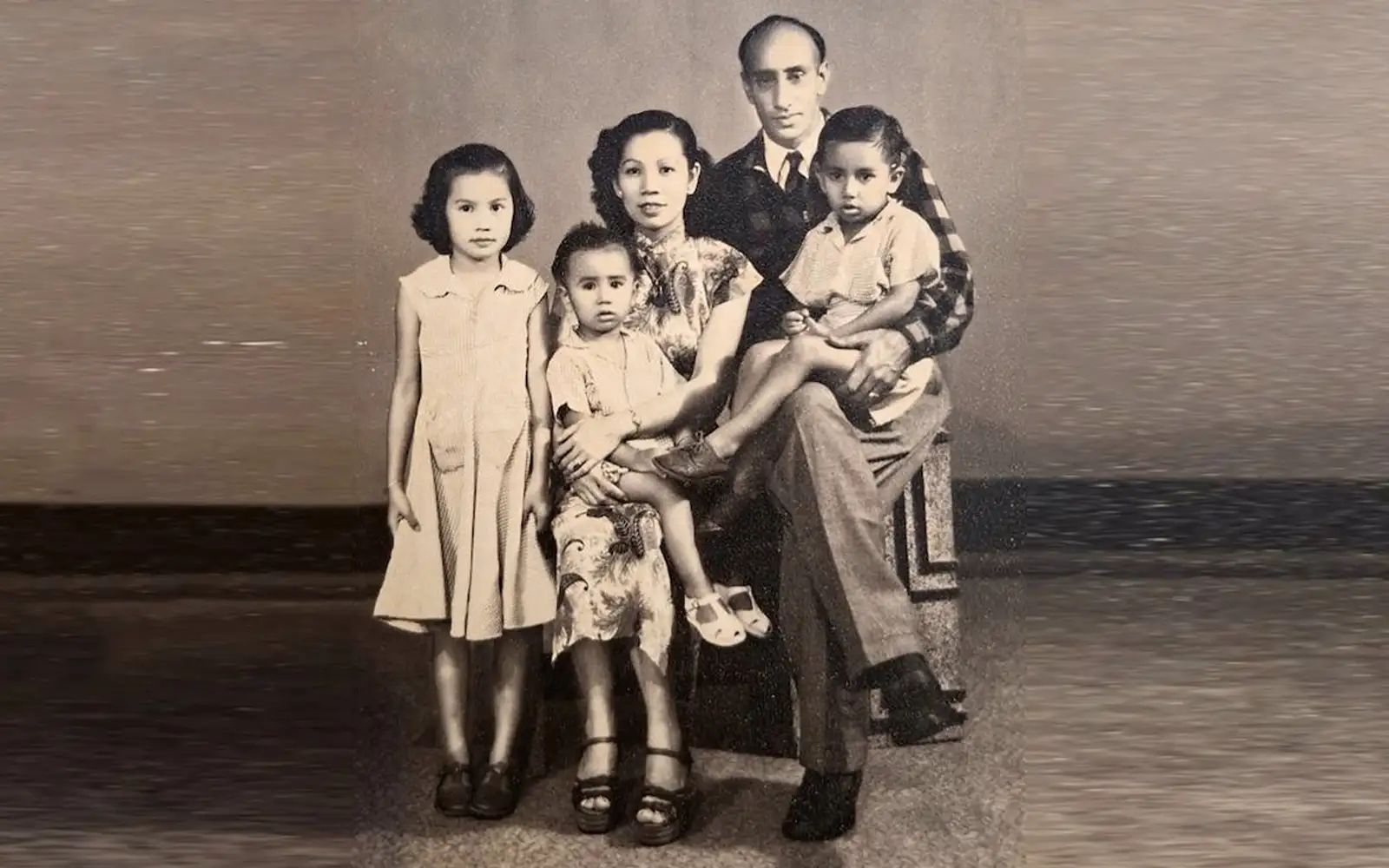
When the war ended, Dara and Kartar returned home, carrying with them the memory of their brother who did not.
Their loss, like that of many others, serves as a poignant reminder of the sacrifices made by volunteers far from home.
Today, memorials such as the Kwong Tong Cemetery in Kuala Lumpur and the Ayer Itam Memorial in Penang stand as tributes to this extraordinary chapter of history.
More than 3,000 volunteers from Southeast Asia – both Chinese and non-Chinese alike – came together in a shared effort during one of the darkest periods of the 20th century.
Their courage, resilience and unity form an enduring legacy that deserves to be remembered.
Harchand Singh Bedi is a historian, researcher and writer from Ipoh.