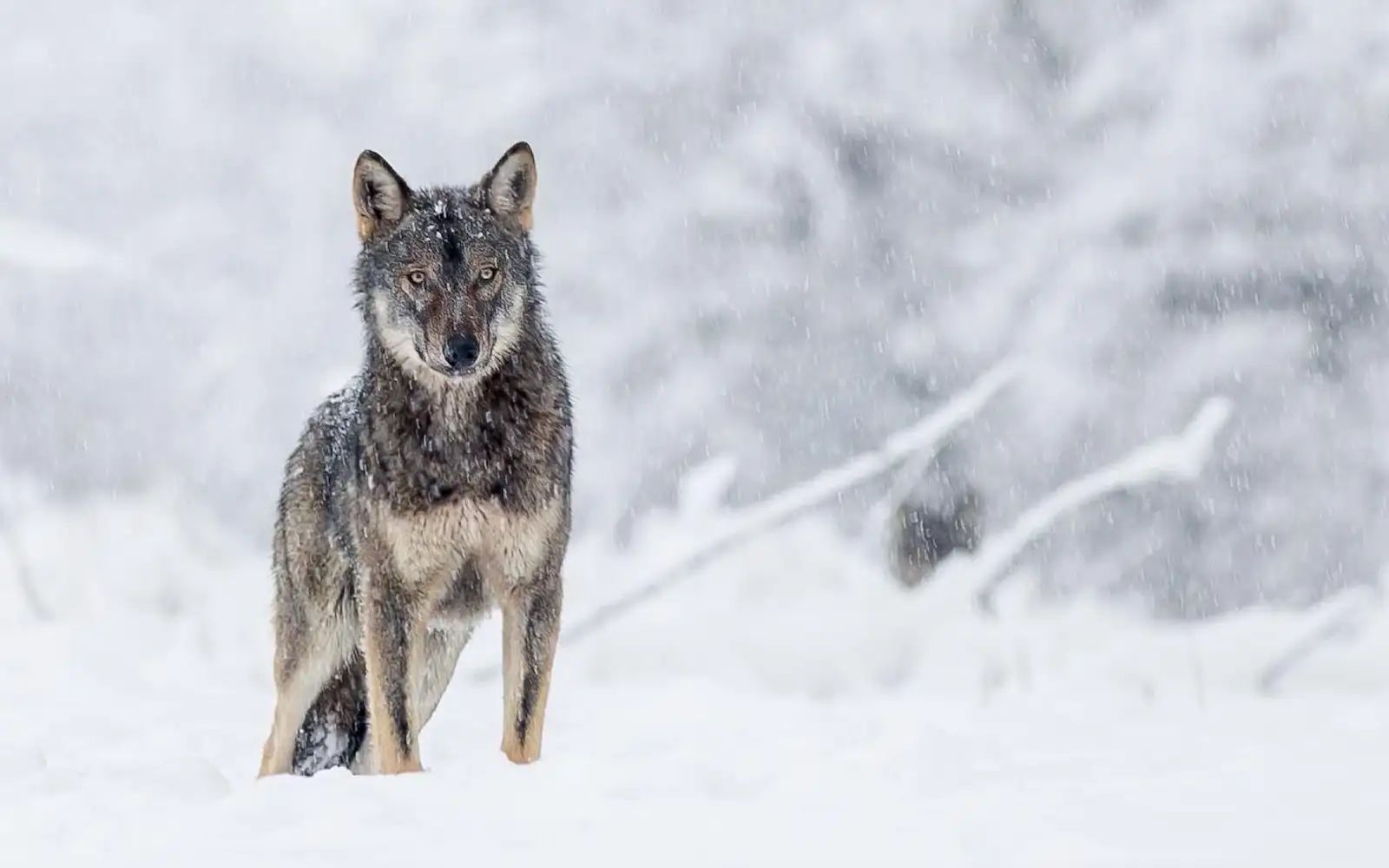
But according to a recent BBC report, this ancient piece of bone – more than 14,000 years old – could change how we understand one of the oldest relationships in human history.
It belonged, scientists believe, to one of the earliest known domesticated dogs.
For years, the prevailing theory was that dogs were domesticated around 10,000 years ago, when humans began farming and forming settlements. But this jawbone points to a much earlier connection – one that began during the Ice Age.
Back then, humans were still hunter-gatherers, moving across landscapes in search of food and shelter. And yet, it seems, they may not have been alone.
By analysing the structure of the fossil, particularly the size and shape of the teeth, researchers found signs that the animal was no longer a wild wolf, but something already adapting to life alongside humans, the BBC reported.
“It shows that by 15,000 years ago dogs and humans already had an incredibly tight, close relationship – and this jawbone, which seems like such a small thing, has helped to unlock the whole human story of how that partnership began,” said Dr William Marsh of the Natural History Museum, quoted by the BBC.
Scientists believe early wolves were drawn to human camps by leftover food. Over time, the less aggressive and more curious animals lingered, gradually becoming more tolerant of people. Humans, in turn, may have begun to rely on them for help with hunting or protection.
Some researchers suggest this early partnership may even have shaped human evolution in subtle ways, from improving hunting success to offering early warning against predators.
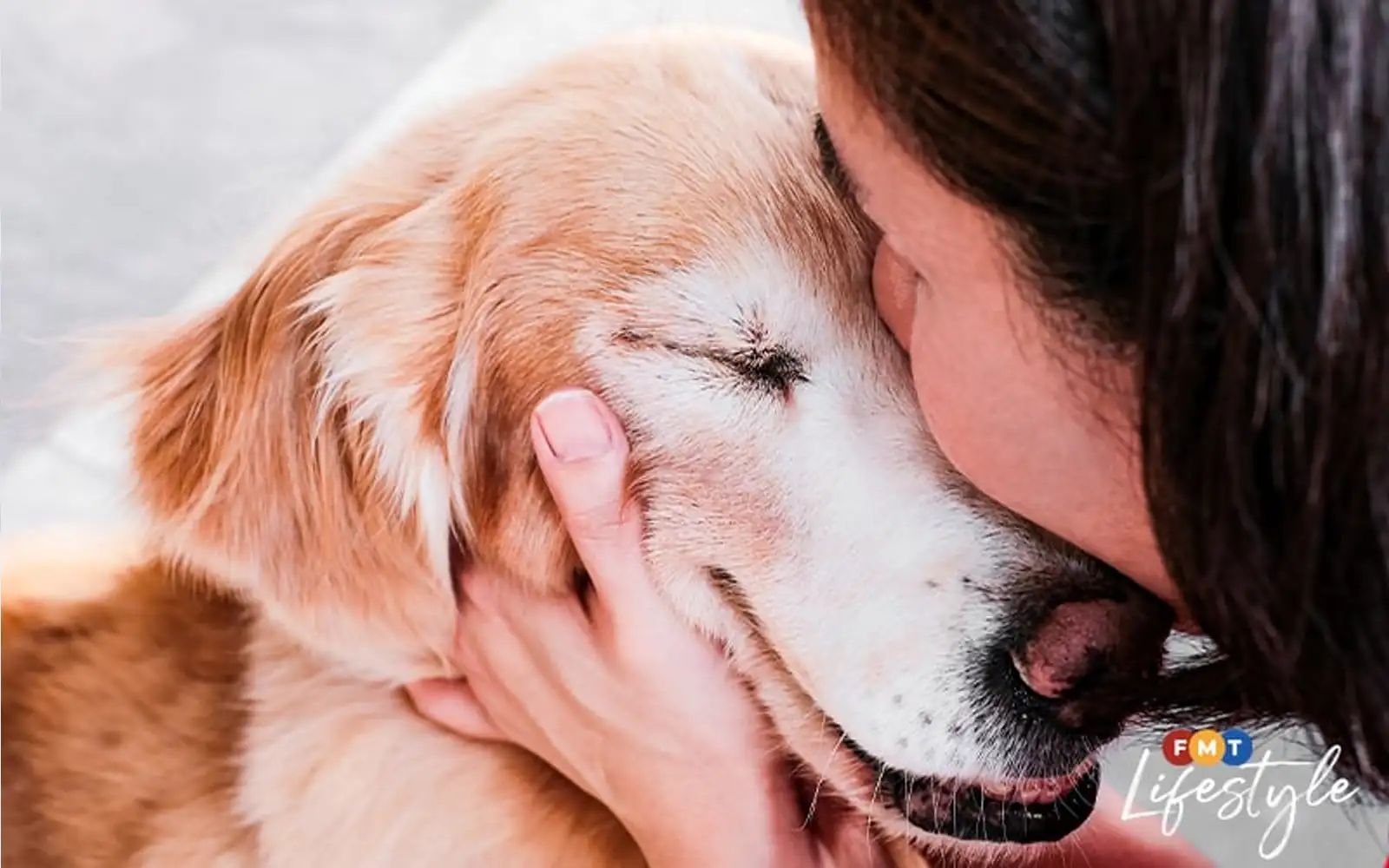
And as wolves adapted to life near humans, they began to change, too. Over generations, traits such as reduced aggression, increased sociability, and even physical features like shorter snouts and smaller teeth started to emerge – hallmarks of what we now recognise as dogs.
Somewhere along the way, that cautious coexistence evolved into cooperation and, eventually, companionship.
Other archaeological evidence supports this idea, pointing to ancient dog remains and burial sites across Europe and Asia, suggesting that by around 14,000 years ago, dogs were already living closely with humans – and in some cases, buried alongside them.
Today, the bond between humans and dogs feels instinctive. Modern research, including studies on the human-canine bond, has shown that interactions with dogs can trigger the release of oxytocin – often called the “love hormone” – reinforcing emotional connections similar to those between parents and children.
It helps explain why dogs follow us from room to room, why we talk to them as if they understand, and why their presence can feel so comforting.
What this latest discovery suggests is that those feelings are not new. They may be part of a relationship that has been quietly evolving for tens of thousands of years: long before cities, long before writing, long before the world as we know it took shape.
All from a single jawbone, left behind in a cave.