
Freshly restored and reopened as a visitor interpretation centre, the Taiping Clock Tower may look modest by modern standards. Yet it holds nearly a century and a half of layered history – each chapter reflecting the evolution of the town that grew around it.
The recent RM400,000 revitalisation, supported by the finance ministry and heritage groups, introduces multimedia exhibits, a detailed 3D model of Taiping, and curated narratives to guide visitors through the town’s past.
But long before it became a place of storytelling, the tower itself was part of the story. When the original timber structure was erected in 1881, Taiping was still emerging as a colonial administrative centre shaped by tin-mining rivalries and clan conflicts.
Strategically positioned near early commercial and social hubs, the building stood at what was effectively the town’s centre of gravity, where trade, governance and daily life converged.
Locals called it “The Fort”, a name that reflected both its function and the uneasy times in which it was born. In those early years, the tower was less a landmark than a physical assertion of order in a growing settlement.
The wooden structure was replaced in 1891 with a more permanent brick building, mirroring the town’s nascent stability.
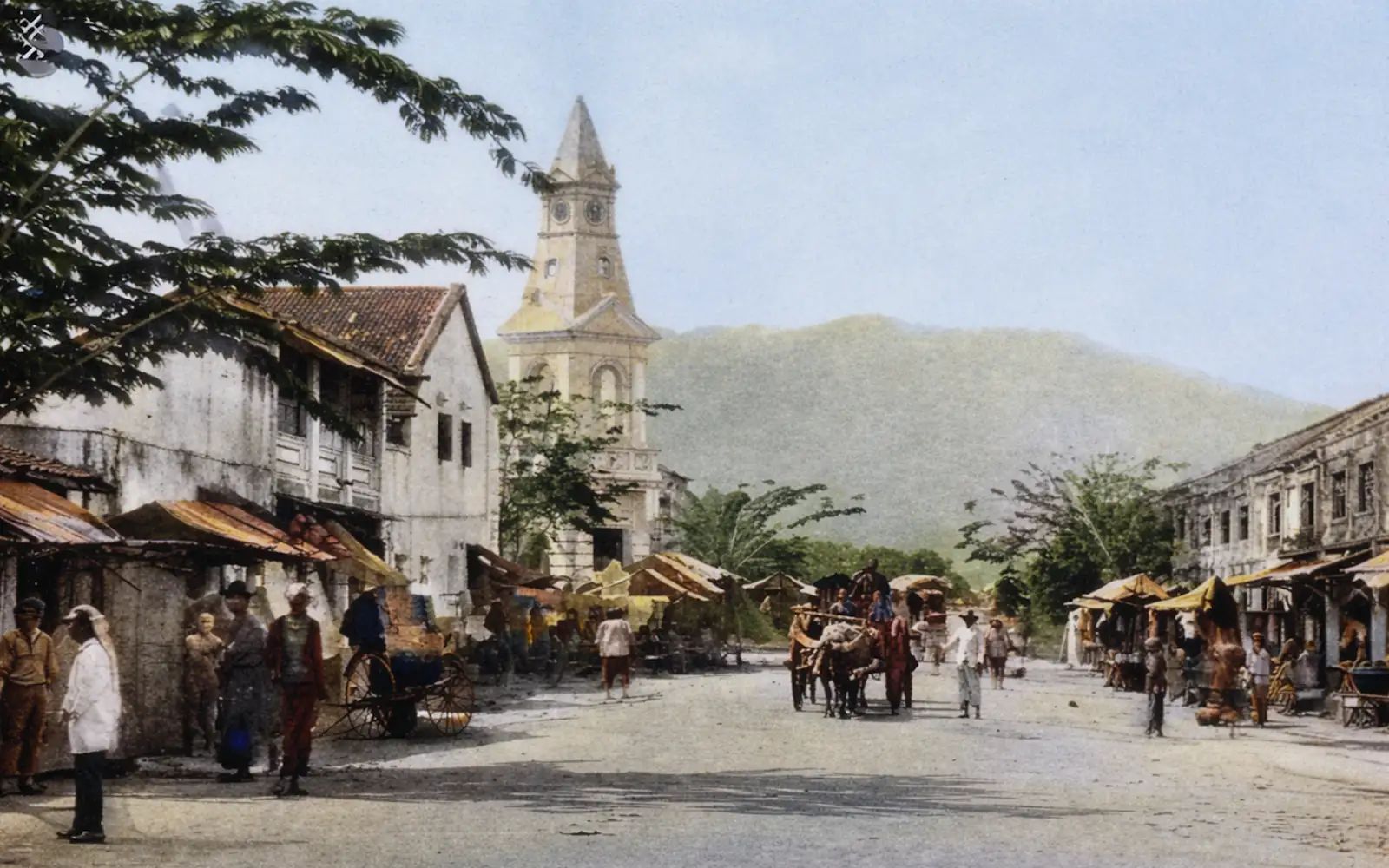
From there, it served multiple roles: first as Taiping’s police station, then as a fire station, believed to have been among the earliest organised fire services in the Federated Malay States.
Its architecture, modest yet purposeful, bore hallmarks of British colonial design, with neoclassical touches and a central clock tower whose four faces once regulated daily life. For residents, the clock’s chime was not ornamental but essential.
As Taiping modernised, the tower’s prominence faded. By the mid-20th century it had fallen into disuse, with parts of the original structure lost and demolition at times a real possibility.
Its survival owed much to local historians and conservationists who recognised its significance, and restoration work over the years eventually brought it back from the brink.
These efforts culminated in the return of its working clock in 2018, when its chimes rang out again after years of silence.
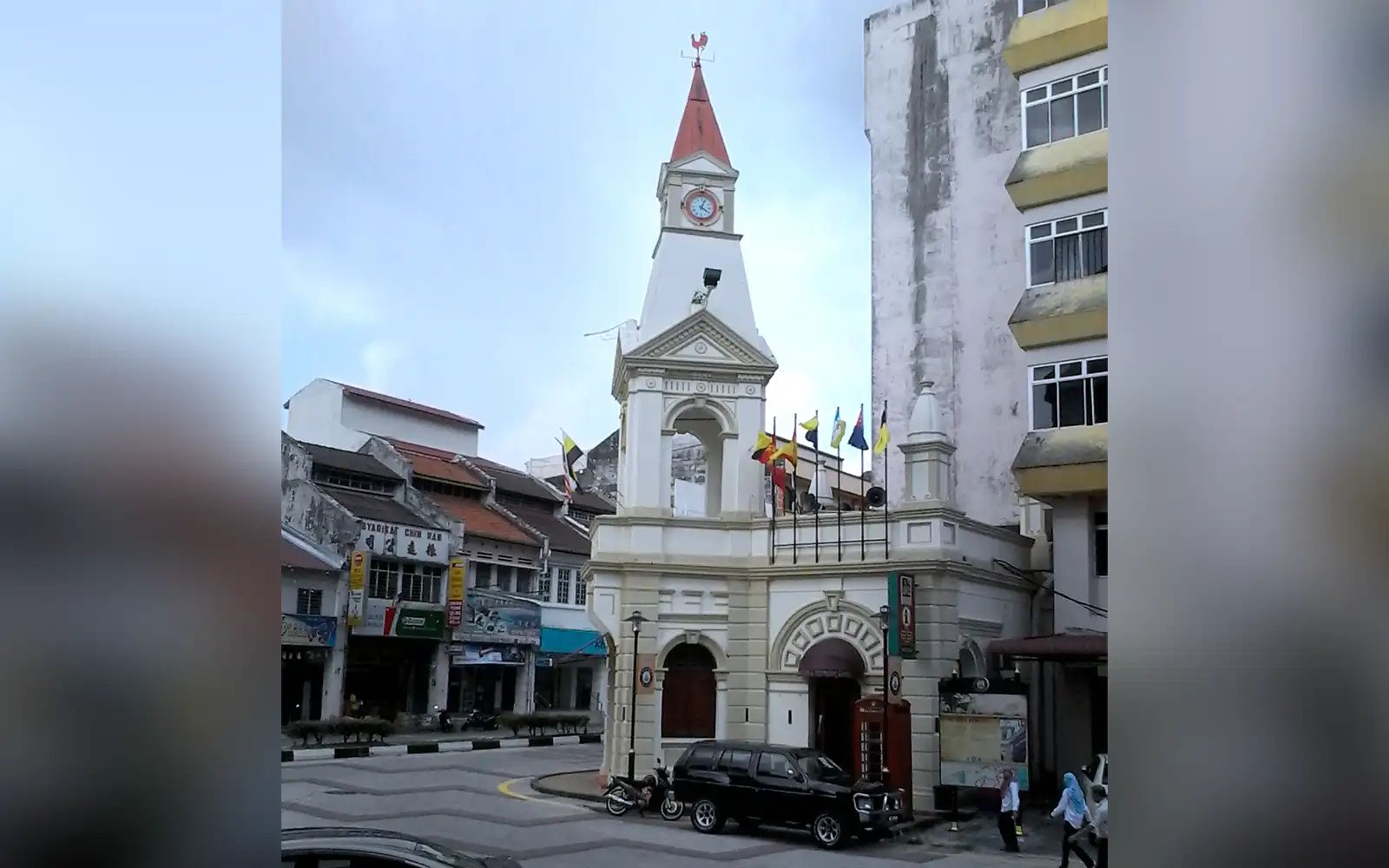
Today, the Taiping Clock Tower holds a different kind of importance. Located along the town’s heritage trail and within easy reach of the Lake Gardens, it remains a popular stop, though its charm lies in its humble stature.
Unlike grander colonial landmarks, this is a building that reveals itself gradually. It may not feature prominently on television or in movies, but it endures through tourism campaigns, heritage walks, and countless photographs that capture Taiping’s unhurried character.
Even small details – from the nearby British-era phone booth to the surrounding streets – add to its understated appeal.
With its latest transformation, the tower’s role has shifted once more. No longer a place of enforcement or emergency response, it is now a space that offers visitors a layered introduction to Taiping’s cultural and historical landscape.
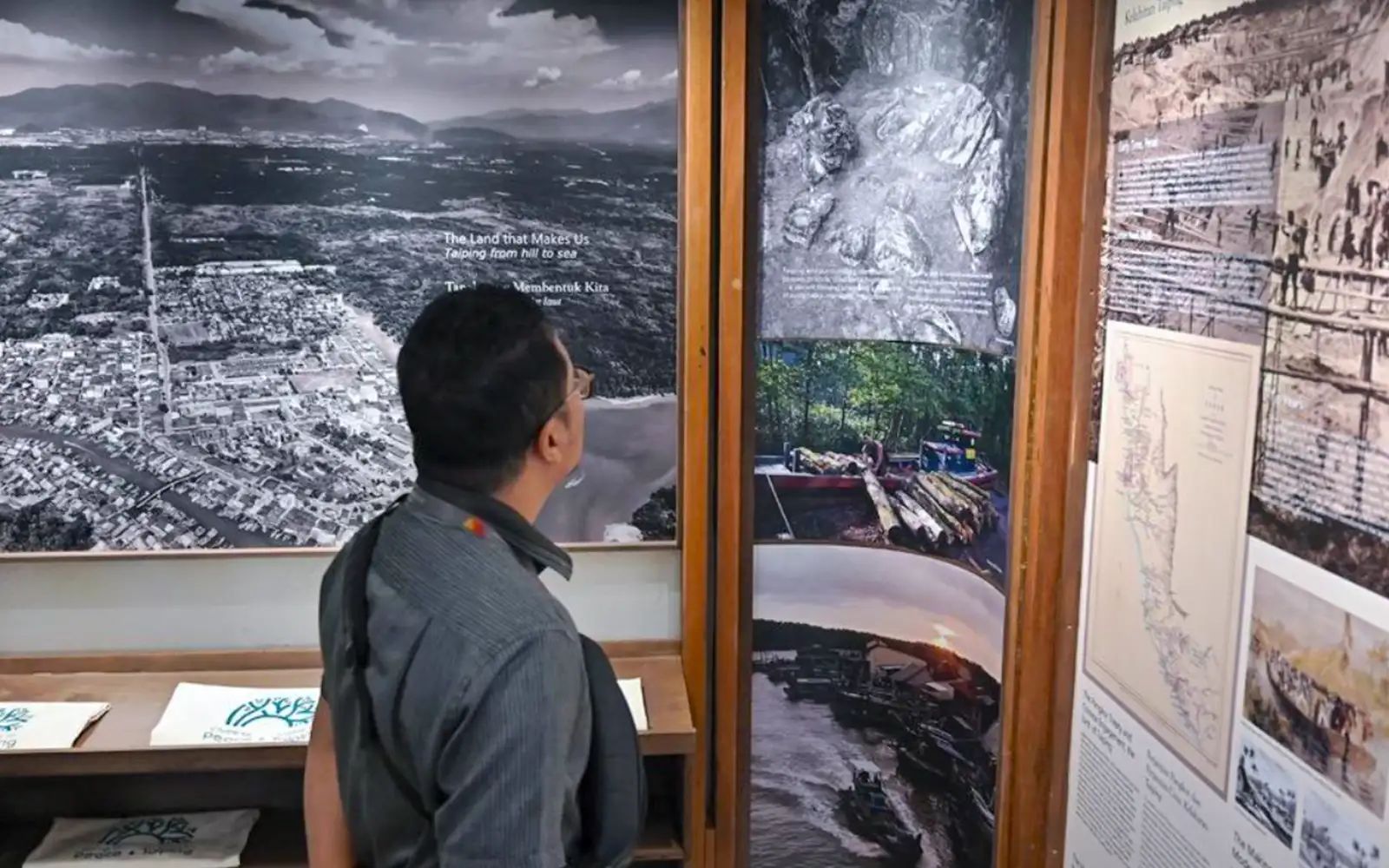
In many ways, this feels less like reinvention than continuation. Where it once stood as a symbol of order in a fledgling town, it now serves as a guide to its memory.
And perhaps that is what makes the Taiping Clock Tower endure: not its size, nor its age, but its humble ability to remain relevant as the world around it changes.