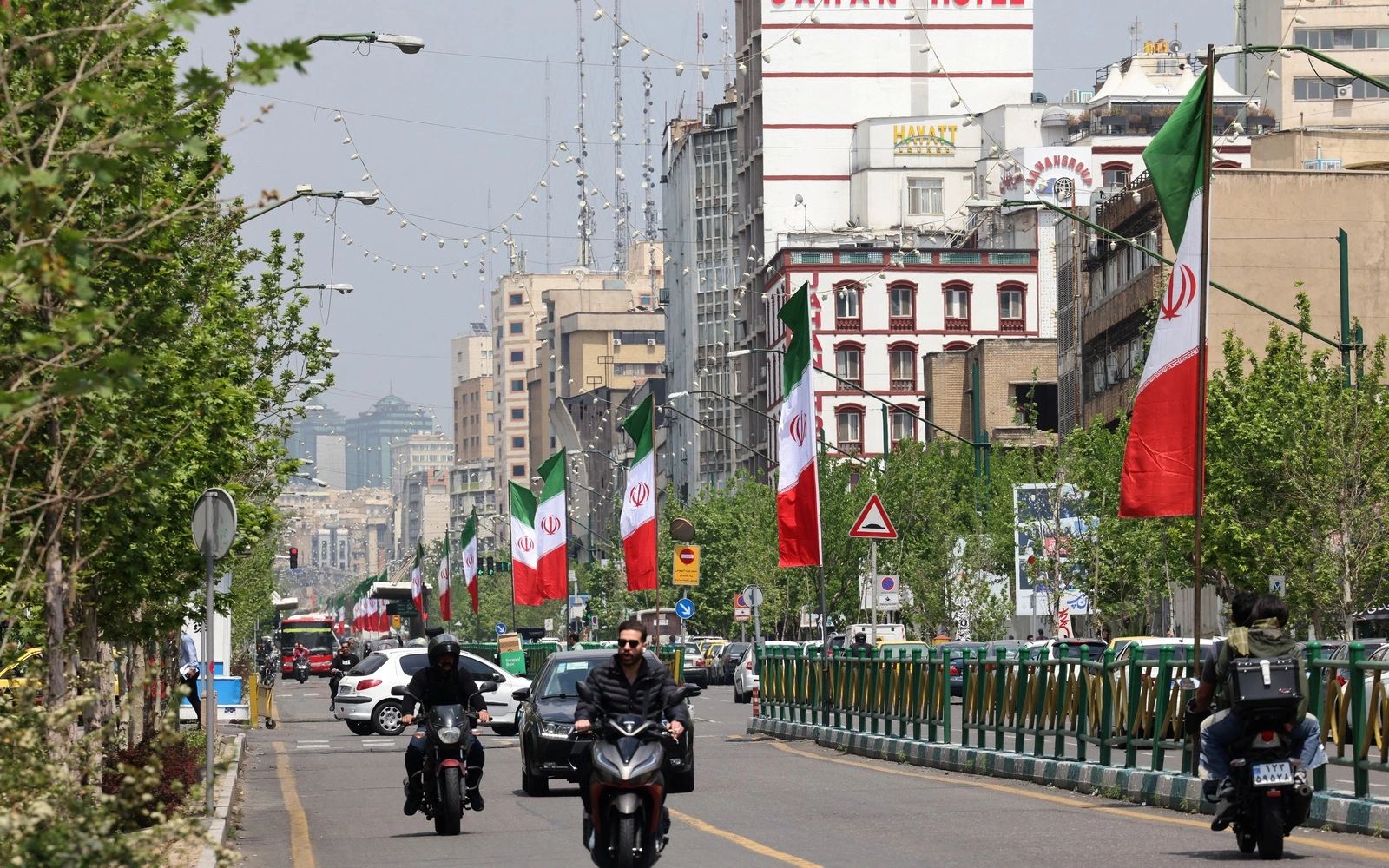
“I went out without being stressed, I roamed around, went to cafes, restaurants, and here and there,” she said of the truce that began on April 8.
Babak Samiei, a 49-year-old engineer, on his way back from a yoga class, said “I tried to get back as much as I can to the routines of my life”.
“In the 40 days of war we could not do anything,” he added.
Samiei was glum, though, about the prospects for peace, with uncertainty surrounding a planned second round of talks in Pakistan as the end of the ceasefire ticks closer.
While he thought the ceasefire would be extended, he still expected renewed fighting eventually.
“I think at the end of the day, there will be no agreement achieved. Probably, there will be war again,” he said.
US president Donald Trump has insisted the talks will go ahead, saying the truce will expire “Wednesday evening Washington time”, but Iran has so far not sent a delegation to Islamabad.
Washington and Israel started the war on Feb 28 with a massive wave of attacks against Iran that killed numerous senior figures, including supreme leader Ali Khamenei.
Between then and the truce, US-Israeli attacks killed thousands of Iranians.
Economic pain
In Tehran’s wealthier northern neighbourhoods, which were largely deserted during the fighting as residents fled to the nearby Caspian Sea coast, cafe terraces have filled up once more with a young and trendy crowd, including women without veils.
The area, a calm oasis of narrow, shaded alleys, is more Westernised than the rest of the capital, a bustling city of 10 million people.
In the city centre, though, the devastation wrought by more than a month of bombing is impossible to avoid, with ruined buildings looming over the streets.
Here, supporters of the government frequently rally to show their defiance of the US-Israeli campaign, with many women in the body-cloaking chador and a smaller number wearing headscarves or no head covering at all.
Many Iranians fear the economic impact of the conflict and the strict internet blackout put in place by the authorities.
Laleh, a 27-year-old English teacher who lives in the central Iranian city of Isfahan, was waiting anxiously for internet access to be restored so she could contact her students.
“I’m waiting for the internet to reconnect to see if I’ll start working again, because many (students) called and said that they either don’t have the money or their minds are too preoccupied to learn English and cancelled their classes,” she told AFP journalists based in Paris.
She said many companies, big and small, were laying off workers and “inflation is awful”. Some people, she added, have resorted to working for ride-hailing services or as street vendors.
Farah Saghi, who is self-employed, put it simply: “Now the internet is shut down, everyone is losing their jobs”.