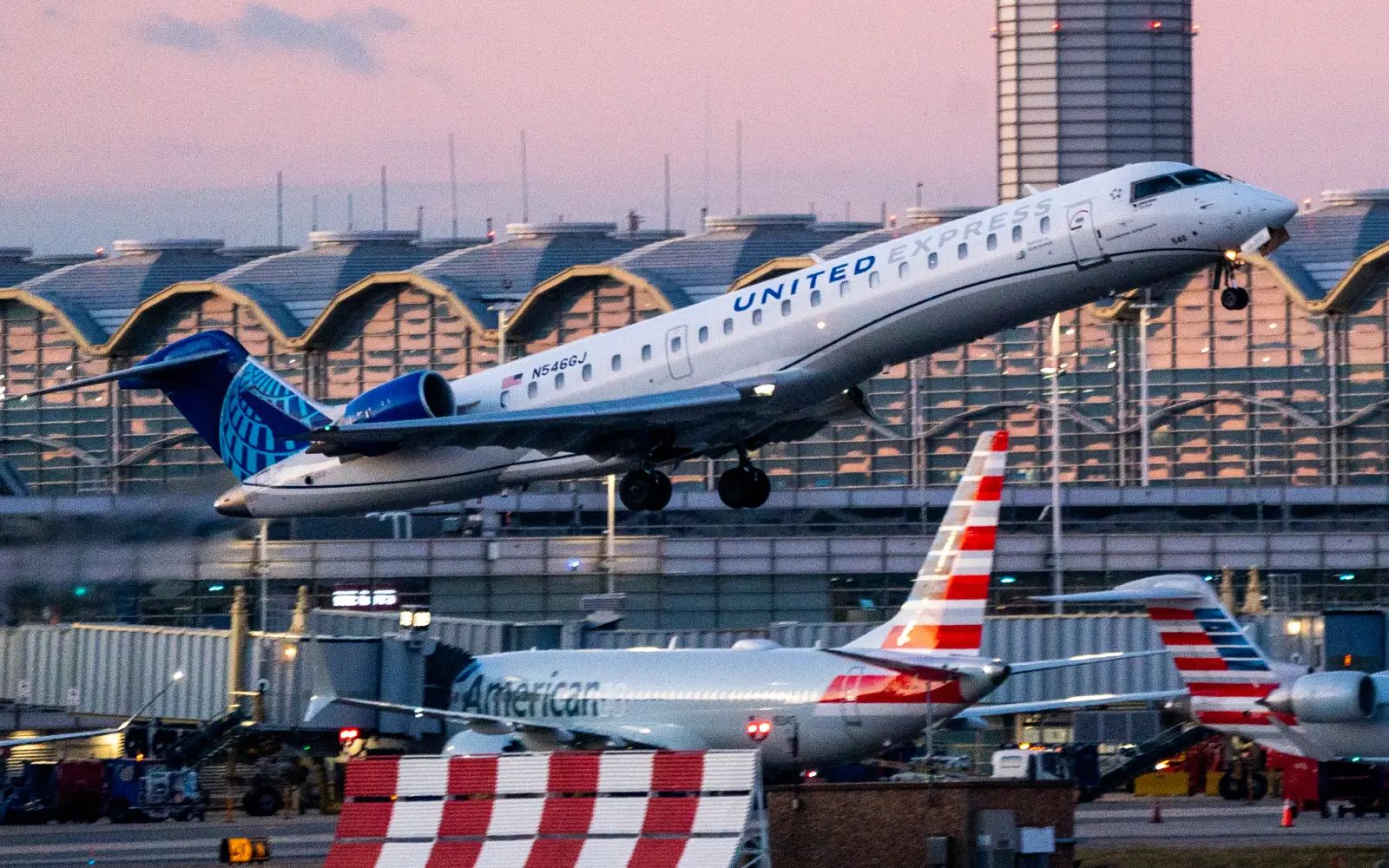
“I don’t mind mergers,” Trump said in a CNBC interview, adding he would “love somebody to buy” Spirit Airlines, which is in bankruptcy.
“But with American it’s doing fine, and United is doing very well. I know the United people, they’re doing very well. I don’t like having them merge,” he said.
Trump’s resistance underscores the political and economic risks of backing a deal that antitrust experts say would slash competition in a market already dominated by four big carriers, giving airlines more power to raise fares and fees.
Political and price risks
A combined United–American would control about 40% of US domestic capacity, and the idea has already drawn pushback from some conservatives and Trump-aligned figures — an awkward fit for a White House trying to project a focus on affordability ahead of the midterms.
United CEO Scott Kirby raised the idea of a tie-up with American during a meeting with Trump in late February, sources told Reuters last week.
The meeting had been scheduled to discuss the future of Washington’s Dulles airport.
American said on Friday it is not interested in pursuing a merger with United.
Trump’s advisers did not support the idea, either. His lack of public backing since that meeting is seen by officials as a strong signal that any deal would face long odds.
The administration is also closely watching rising jet fuel costs and their impact on airfares ahead of peak summer travel.
The idea of a United–American merger comes amid an escalating rivalry between the two carriers, including a battle for flights and market share in key hubs such as Chicago.
A deal would face steep antitrust hurdles because of the airlines’ overlap in major markets, with regulators likely to focus on routes and airports where the two compete directly.
Including international flights, United and American were already the world’s two largest airlines by available capacity in 2025, according to OAG data.
United’s shares were up about 1% in morning trading, while American’s fell about 1%. Neither airline immediately responded to requests for comment.
Spirit a different case
Spirit presents a different case. The administration of Joe Biden went to court in 2024 to block JetBlue Airways’ proposed acquisition of the low-cost carrier, arguing it would eliminate an airline that helped keep fares down.
Since then, Spirit’s financial position has worsened, and the fuel shock is now straining the broader low-cost airline sector.
Spirit and other discount carriers are seeking temporary tax relief from Washington, warning that sustained high fuel costs could force them to raise fares and fees.
“It’s 14,000 jobs, and maybe the federal government should help that one out,” Trump said.