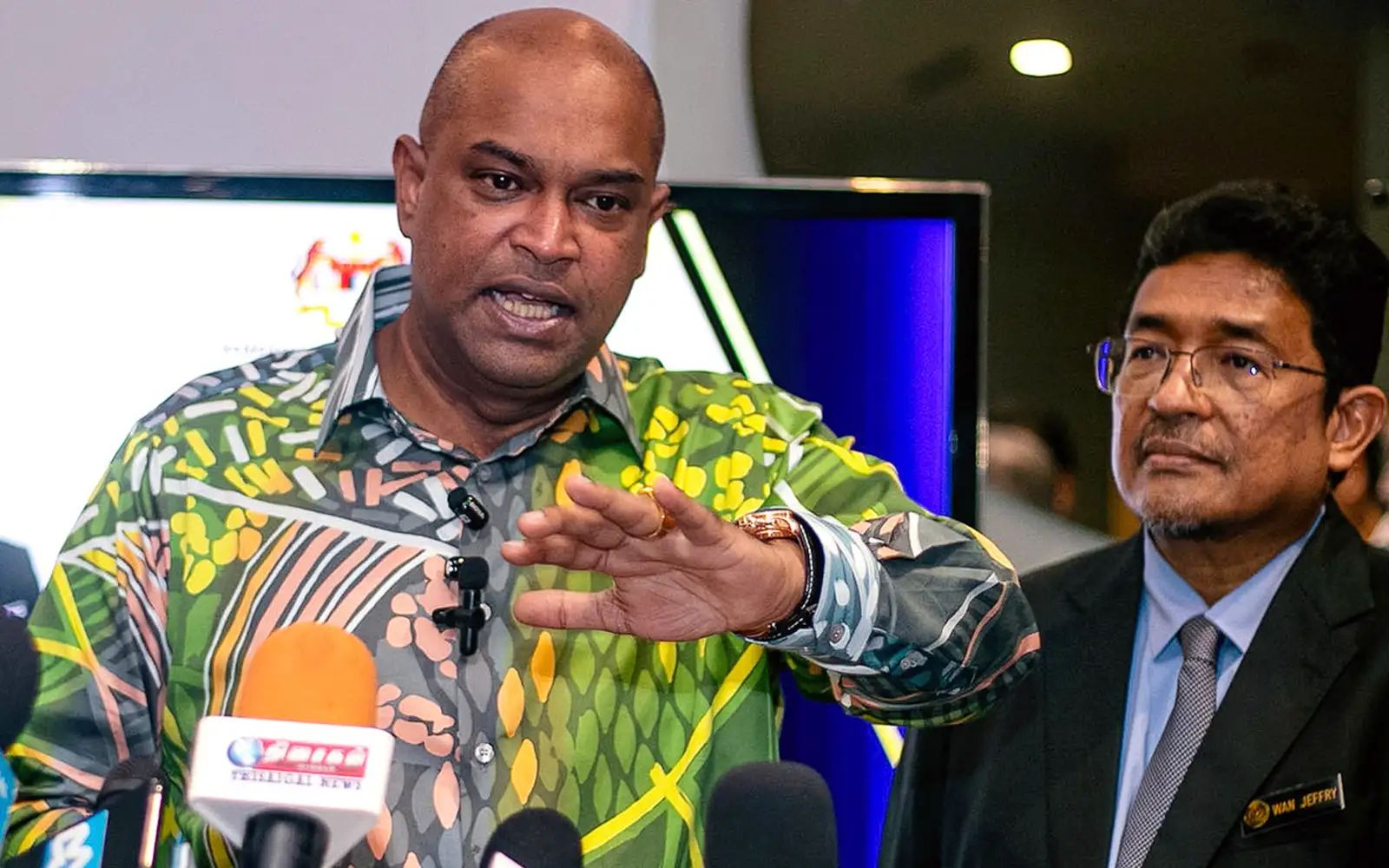
He claimed over 400 engagement sessions had been conducted with stakeholders on the matter and said internal division within MTUC had been counterproductive to discussions.
“When we invite them to have discussions, team A will be in support of a move and team B will reject it. When team B supports a move, team A will reject it. How can we manage this problem?
“I don’t want to argue with MTUC. Let them settle their own problems,” he told reporters after a ceremony appointing members to the Gig Workers’ Tribunal and Gig Advisory Council at the Wyndham Grand Bangsar here today.
On March 30, MTUC secretary-general Kamarul Baharin Mansor urged Putrajaya to immediately postpone the Act’s enforcement pending a comprehensive review and consultations with stakeholders, claiming labour groups had not been sufficiently engaged.
Act 872, which came into force on Tuesday, provides legal protection for Malaysia’s 1.64 million gig workers.
Those protected include e-hailing drivers, p-hailing delivery riders, freelancers and creative workers.
The protections include fair contract terms, timely payments, dispute resolution mechanisms and social security contributions through the Social Security Organisation (Perkeso).