
The 71-year-old, who spent years working in a psychiatric ward in Kuala Terengganu, said the patient’s explanation caught her completely off guard.
“When I asked why she slapped me, she said, ‘Because you’re too pretty’,” Asiah recalled cheerfully. “How could I stay angry after that?”
Beneath her smile lies a harsher reality many nurses quietly endure: according to Asiah, the incident was mild compared to some of the experiences her colleagues had faced over the years.
Asiah recounted the time a patient grabbed a colleague’s necklace and attempted to strangle her with it.
“I had to put my hand between the necklace and my colleague’s neck to stop her from choking,” she recalled. Luckily, the patient was persuaded into loosening their grip.
Violence against nurses is often associated with psychiatric wards, but verbal abuse, intimidation and occasional physical aggression have increasingly become part of everyday working life across many healthcare settings.
A 2022 study by Universiti Kebangsaan Malaysia found that nearly 44% of nurses surveyed had experienced workplace abuse, most commonly verbal attacks. Yet many incidents still go unreported.
Consultant physician Dr Alzamani Mohammad Idrose from Kuala Lumpur Hospital said his staff has had their “share of bad experiences”, including “being punched, having their spectacles broken and medicine poured on their head”.

But soberingly, Malaysian Nurses Association president Safiah Sutan Taharudin said nurses are often conditioned to stay calm and professional no matter what happens.
“We go through all kinds of emotions but we have to hide them. We are trained never to show anger in front of patients,” she said with a small laugh.
“Even if your heart is breaking, you must still smile.”
According to healthcare experts, overcrowded emergency departments, long waiting times, and misunderstandings about how emergency care works are among the main triggers behind aggressive behaviour.
Occupational and public health specialist Dr Victor Hoe Abdullah said tensions often escalate because every patient or family member believes their case should be treated immediately.
But emergency departments operate using triage systems that prioritise the most critical cases first, such as heart attacks, breathing difficulties and severe trauma.
Former emergency department matron Noorliana Noordin said overcrowding becomes worse when patients seek emergency treatment for non-urgent illnesses that could be handled at clinics instead.
At the same time, nurses themselves are working under mounting pressure. Malaysia continues to face a significant nursing shortage, with many trained nurses leaving for better-paying opportunities overseas.
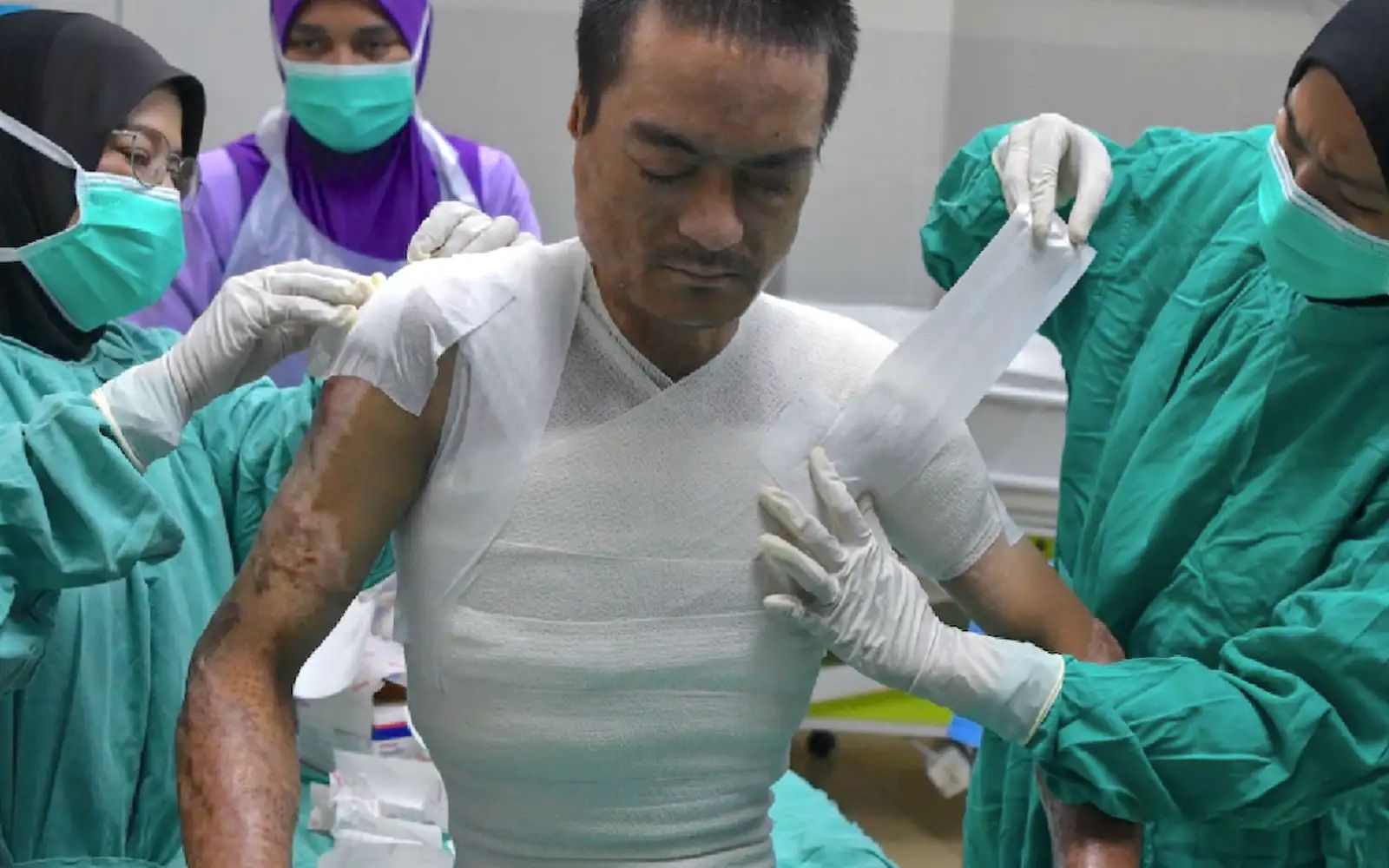
According to the health ministry, more than 3,000 nurses left Malaysia to work abroad last year alone.
The shortage has intensified workloads for those who remain, many of whom routinely work overtime while juggling emotional stress, demanding shifts, and difficult interactions with patients and families.
Alzamani describes nurses as the “backbone” of the healthcare system, saying their work is often overlooked despite the level of training and responsibility involved.
“A lot of times, nurses are not seen as professionals but merely as workers doing routine tasks,” he said. “But they are highly trained and play a critical role in patient care.”
Ultimately, healthcare experts and nursing leaders say protecting nurses’ wellbeing is not simply about improving working conditions; it is also about ensuring the healthcare system itself can continue functioning safely and effectively.
And for nurses like Asiah, all they wish is for people to remember that behind every calm smile at a hospital counter or patient’s bedside is a nurse carrying pressures most people never fully see.