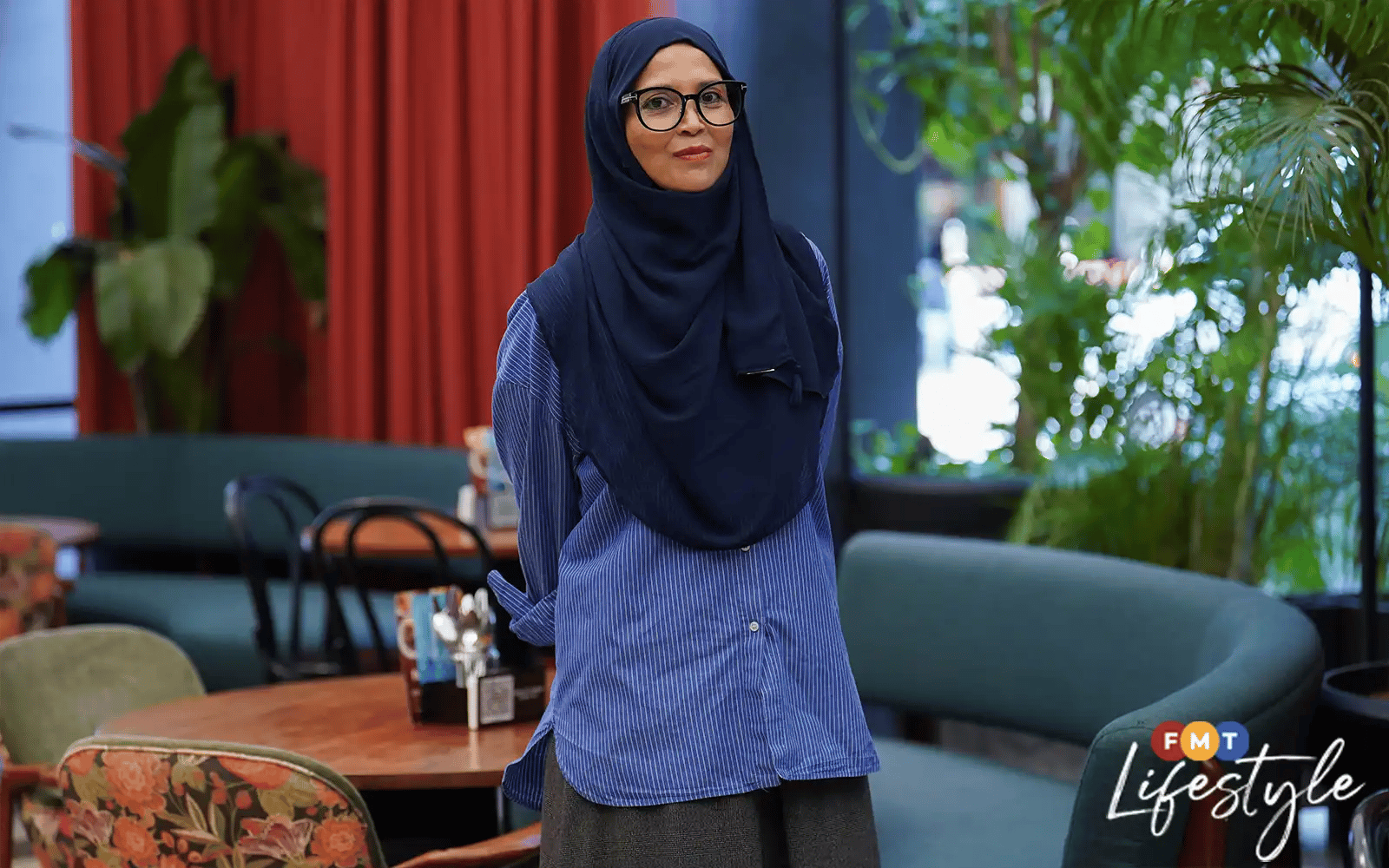
The question was simple. Almost childlike.
But for Azlina Abdul Aziz, it weighed heavily on her mind. Her 20-year-old son, Said, asked this from behind prison bars – he had been arrested for murder and potentially faced a mandatory death sentence.
“I felt so shocked. Numb. It never crossed my mind that something like this could happen,” Azlina told FMT Lifestyle.
This reality was too hard to grasp, especially since Said had been diagnosed with an intellectual disability and ADHD, attention deficit hyperactivity disorder, at 12.
Up until then, he was trying to find his footing in the world. But on Oct 14, 2016, everything changed when the police arrived at Azlina’s home with a warrant for her son’s arrest.
She visited Said in prison each week, deciding early on that she would not cry in front of him.
“He could only see me for 30 minutes. I must show him strength he can carry throughout the week,” said Azlina, adding that Said is the second of four children.
So they joked and spoke about small things. Sometimes, he talked about learning Korean, hoping to visit Korea someday.
“My son didn’t understand the situation he was in. To help him, I had to understand it myself,” said Azlina, 52.
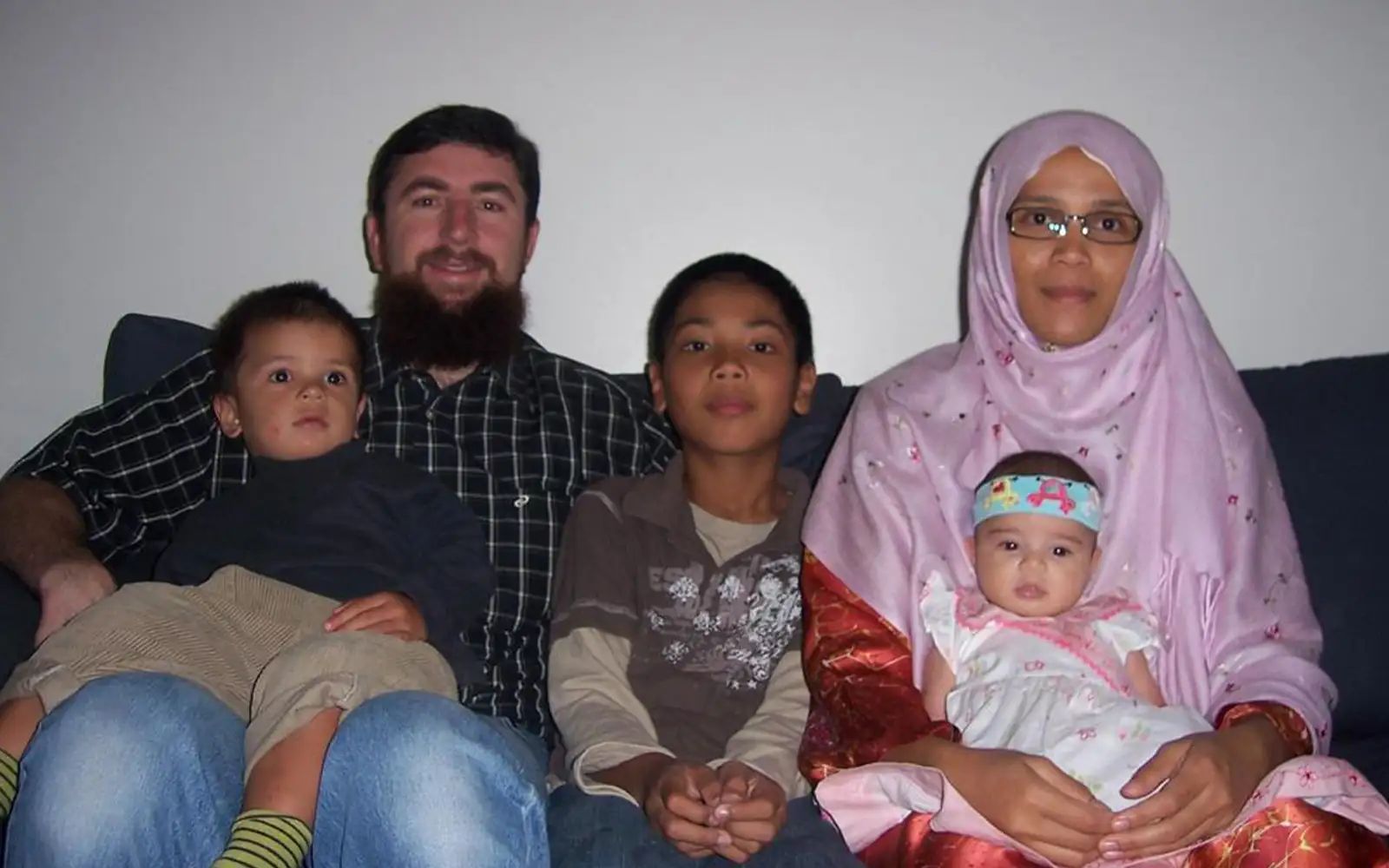
So she began poring over legal materials, sitting in public courtrooms, observing how lawyers built their arguments and posed questions.
She wanted to learn as much as possible to bridge the gap between Said and his lawyers, and help convey details he might struggle to articulate.
“Based on the evidence, I had faith that Said would be released.”
In the long periods before her weekly visits, Azlina found herself among other mothers – women, like her, trying to make sense of a situation no parent expects to face.
“They would come to me and ask if I could explain their children’s cases and what kind of punishment they could face.
“Some came from underprivileged backgrounds and didn’t know what to ask their lawyers because they didn’t really understand their children’s situation.”
Then one day, a friend suggested she pursue law. The idea lingered – but could she really do it, without an SPM qualification?
She had left school in Form Four because money was short. Her father had a mental health disorder and her mother, the sole breadwinner, tapped rubber. At times, Azlina, the third of eight siblings, skipped school to tap rubber too.
Even then, she dreamed of becoming a lawyer. “I wanted to defend those who cannot defend themselves.”
After leaving school, life moved quickly – a string of jobs before she became a stay-at-home mother.
Finally, at 43, she took a step towards turning a childhood dream into reality.
Without an SPM certificate, she gained admission to International Islamic University Malaysia (IIUM) through the “Accreditation of Prior Experiential Learning” (APEL) programme, which recognises work experience as a pathway into higher education.
At her admission interview to IIUM, she was clear about why she was there. “I’ve seen many parents from underprivileged backgrounds who need representation, but they cannot afford it – I want to help them.”
And so, she became a student again. Balancing lectures, assignments and prison visits, she pushed through, passing all her papers. Her husband, she shared, was a constant source of support.

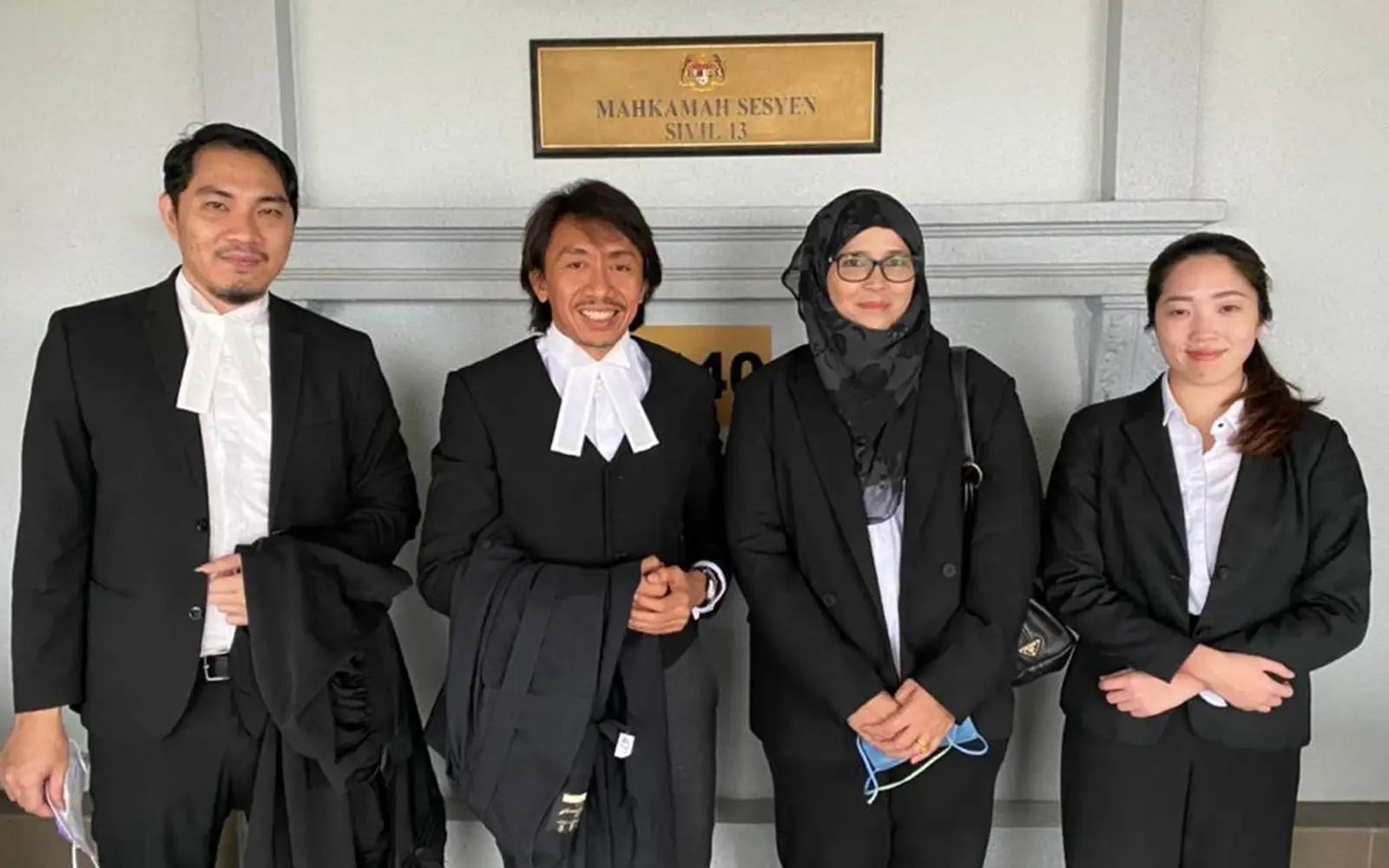
Today, that journey has come full circle. Said was discharged, acquitted and released from prison in May 2022. A year later in May, Azlina was called to the Bar. She was 49 years old.
Now, she has opened her own firm, Azlina A Aziz & Co, where she practises criminal and civil law. She focuses on helping the underprivileged, especially parents of children with mental disabilities.
The month May has a deep meaning for her. Beyond Mother’s Day, it marks the month her son regained his freedom – and when she found a new identity after a harrowing chapter in her life.
Looking back, Azlina said the experience, as painful as it was, brought them closer.
In the end, hers is not only a story of resilience, but of a mother’s devotion – the kind that endures, even in the face of the unimaginable.