Here’s a list of lesser-known places worth visiting and photographing. For the remaining regions, check out part one of this list.
1. Penang: Frog Hill
When people think of Penang, it’s usually the island that comes to mind, but the mainland holds its own surprises.
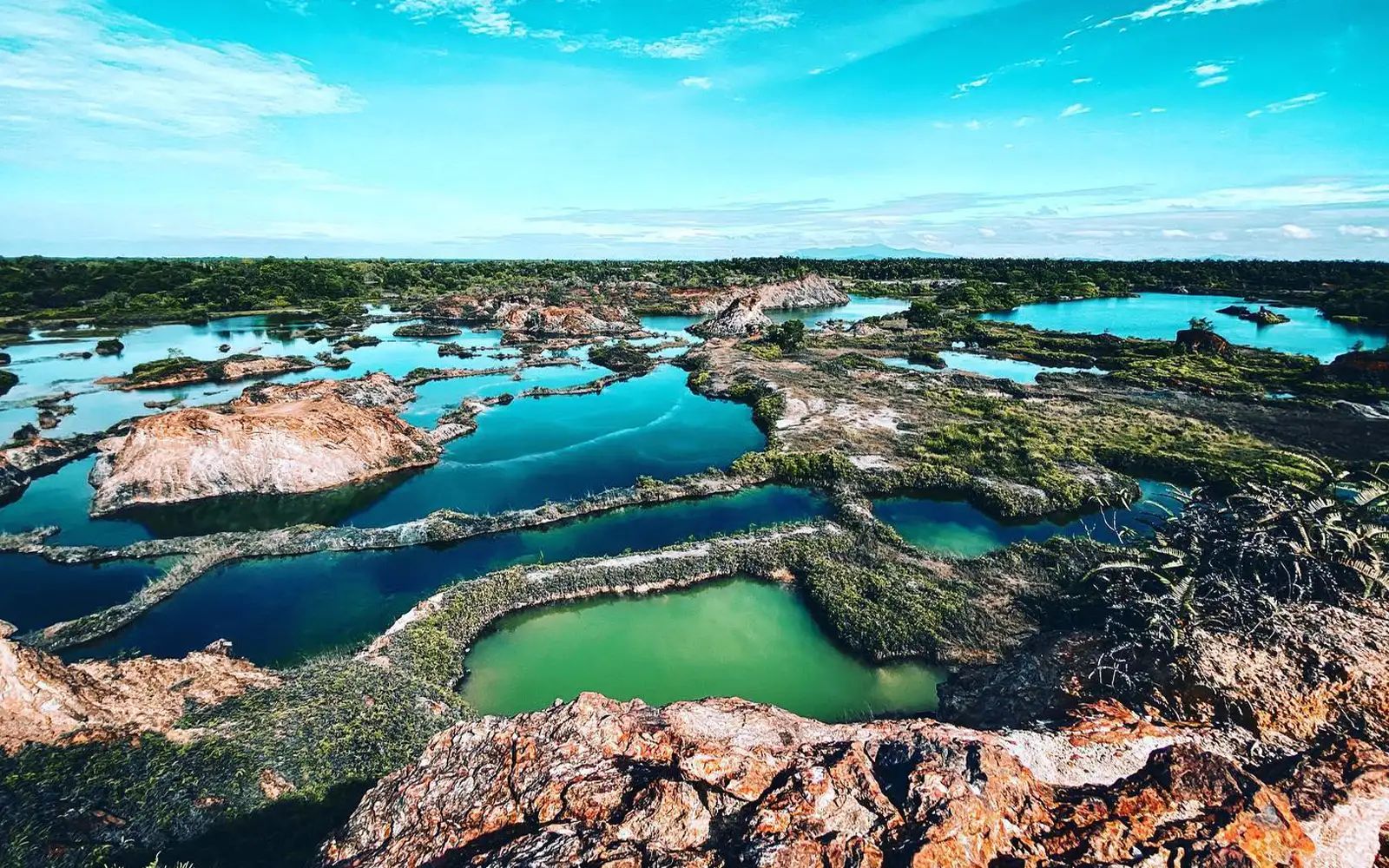
Frog Hill, also known as Lombong Kampung Guar Petai, is an abandoned tin mining site in Seberang Perai often dubbed the “Jiuzhaigou of Malaysia” thanks to its surreal turquoise pools and rusty red ridges.
The hike is short but steep, taking around 20 minutes, with uneven terrain and little shade, so come prepared.
The reward? A view of layered blue and green pools that shift in colour with the light – easily one of mainland Penang’s most stunning photo spots.
2. Kedah: Wat Nikrodharam
In Kedah, Thai influence is part of the everyday landscape and one of the state’s most visually striking temples is Wat Nikrodharam.
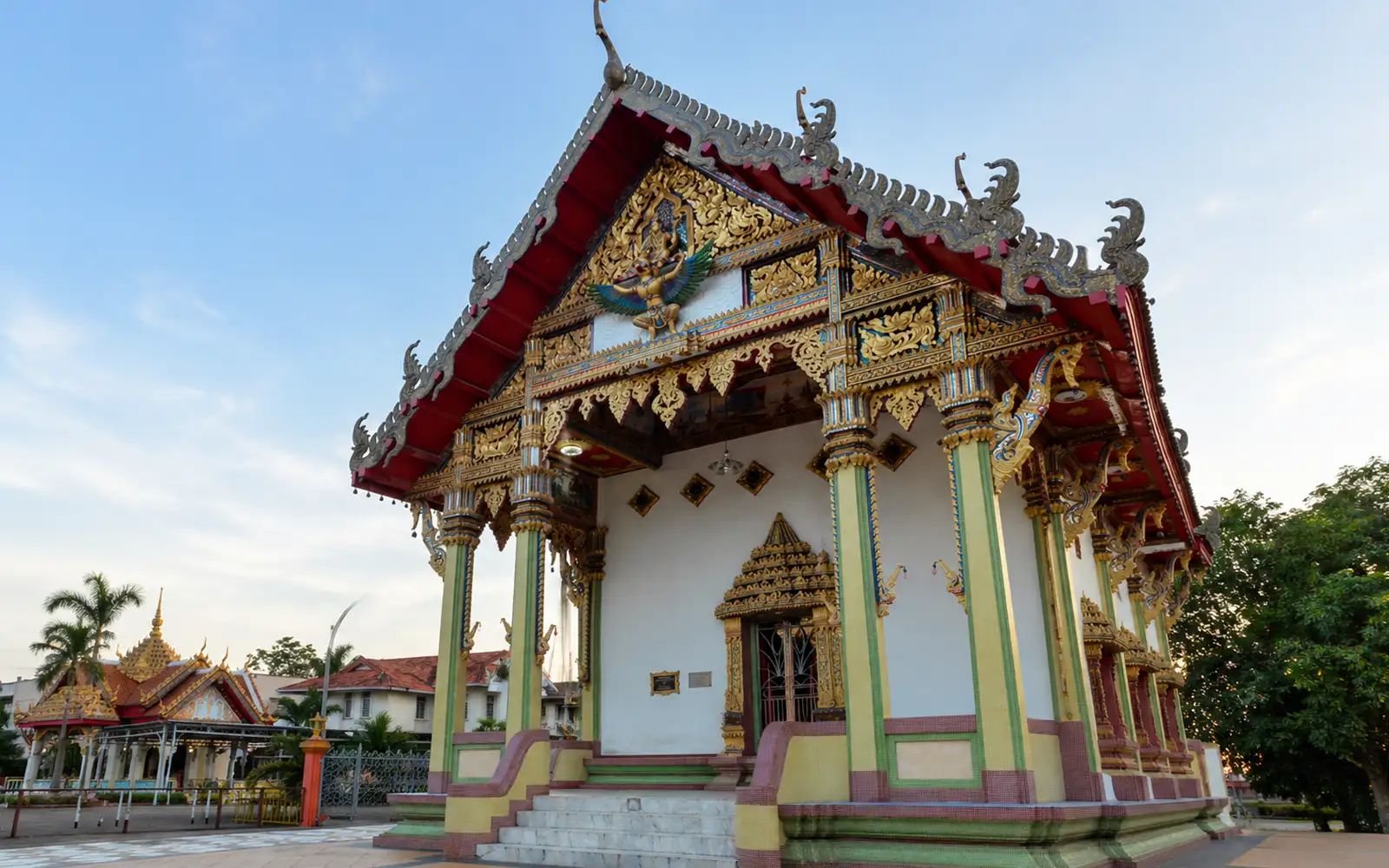
Built in 1968, this Buddhist temple blends Thai and Chinese architectural styles, featuring layered golden roofs, naga serpent details, and richly decorated façades.
The structure glows under the sunlight, while the interiors feature distinctive 3D-style murals. It’s a dream for symmetrical shots, close-up detailing, and wide architectural photography.
3. Kelantan: Pantai Mek Mas
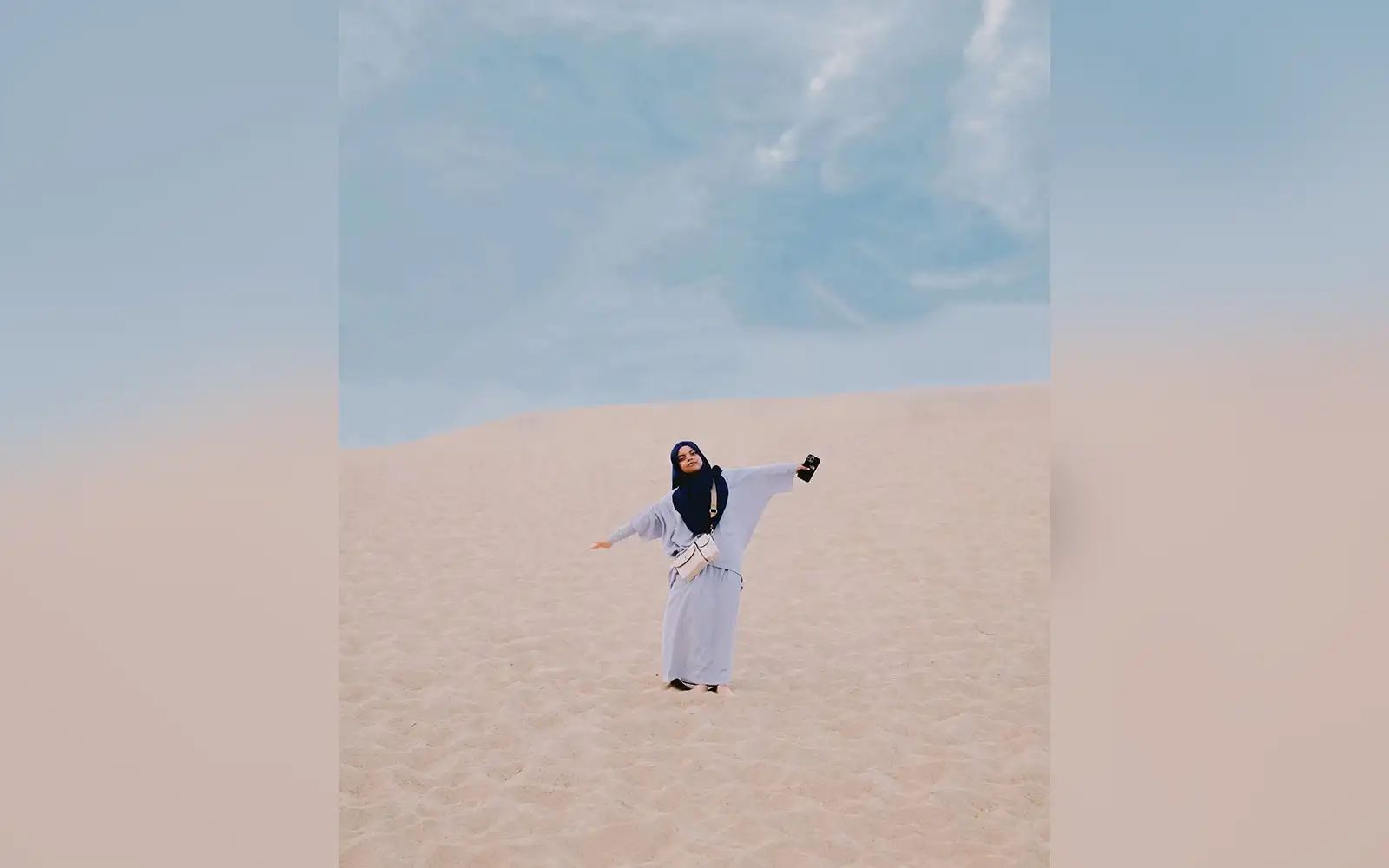
Pantai Mek Mas is not your typical east coast beach. Known for its golden sand dunes that resemble a desert landscape, it has become a favourite for photographers and travellers looking for something different.
The rolling sand hills create dramatic textures, perfect for silhouettes or wide landscape shots, especially during late afternoon.
Some visitors climb the dunes for panoramic views, while others come for the unique experience of seeing sea, sand, and shifting river colours in one frame. As the sun sets, it becomes easily one of Kelantan’s most underrated visual gems.
4. Terengganu: Crystal Mosque
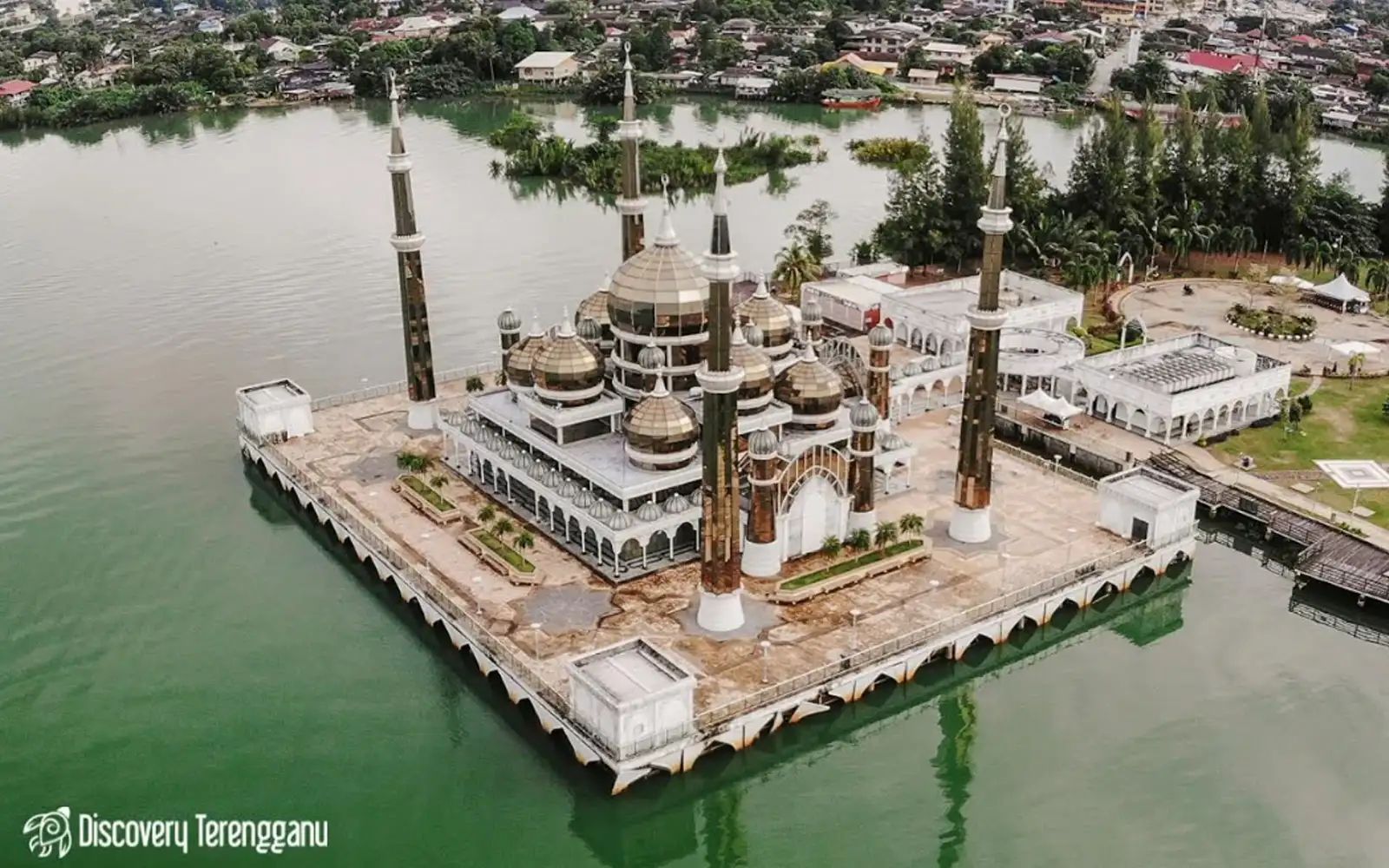
Located by the Terengganu River, Crystal Mosque is one of Malaysia’s most futuristic landmarks. Built from steel, glass, and crystal, it officially opened in 2008 and features nine main domes, 51 smaller ones, and four slender minarets.
Its reflective surfaces shimmer beautifully under the sunlight, while at night it glows dramatically against the river backdrop. Inside, the design shifts to a calm white-and-gold palette with a striking crystal chandelier as the centrepiece.
5. Perlis: Bukit Chabang
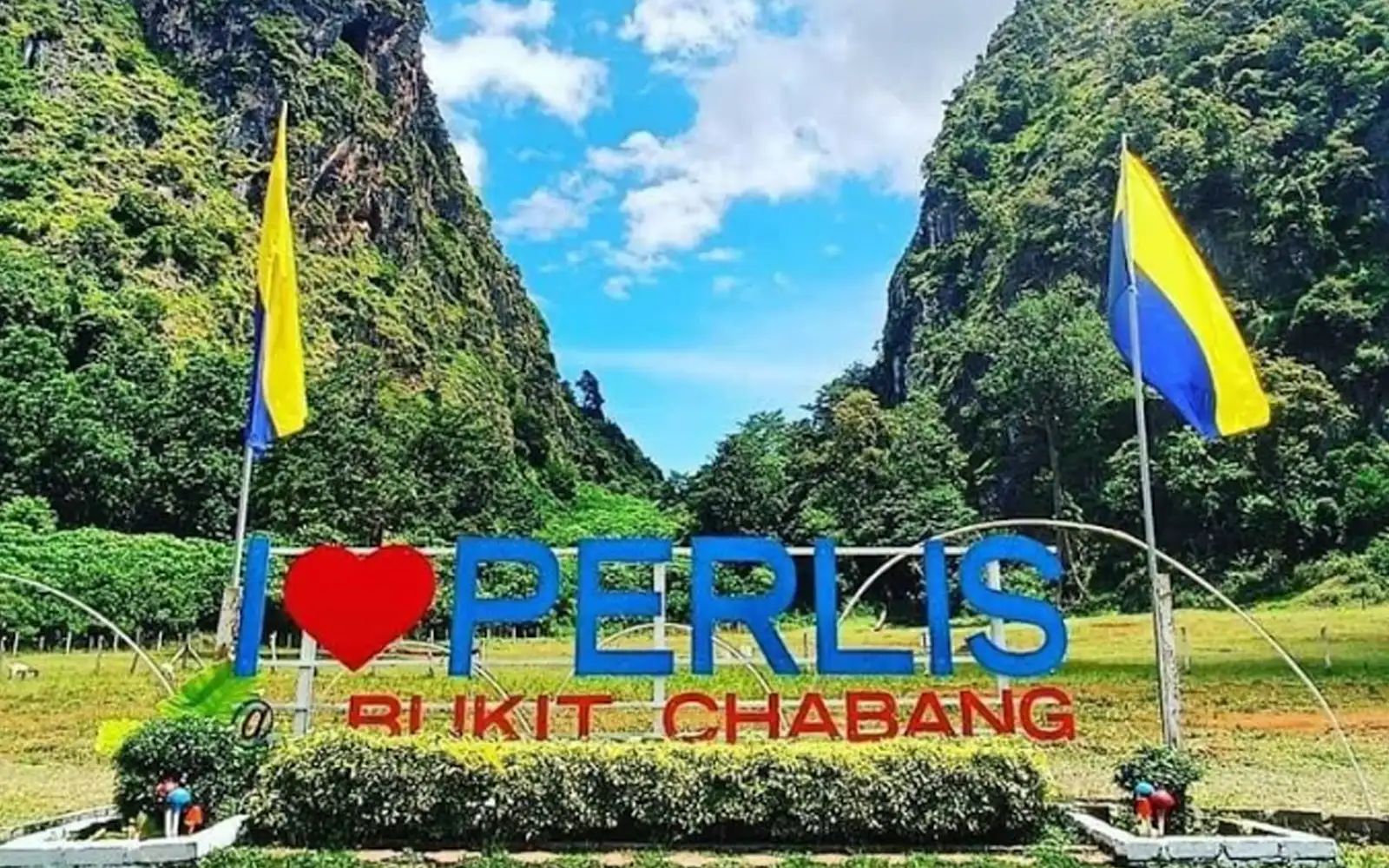
Known as the “Twin Peaks of Perlis”, Bukit Chabang rises dramatically above paddy fields and limestone plains. Standing at around 390 metres, it offers sweeping views of Timah Tasoh Dam and the surrounding countryside.
While the hike is challenging for some, even a viewpoint shot from below captures its iconic split peak formation.
The Bukit Chabang Mari recreation site is nearby with its grassy fields, goat farms, and open landscapes framed by the limestone backdrop. With minimal entry fees and wide-open scenery, it’s one of Perlis’ peaceful escapes.
6. Sabah: Tegudon Tourism Village
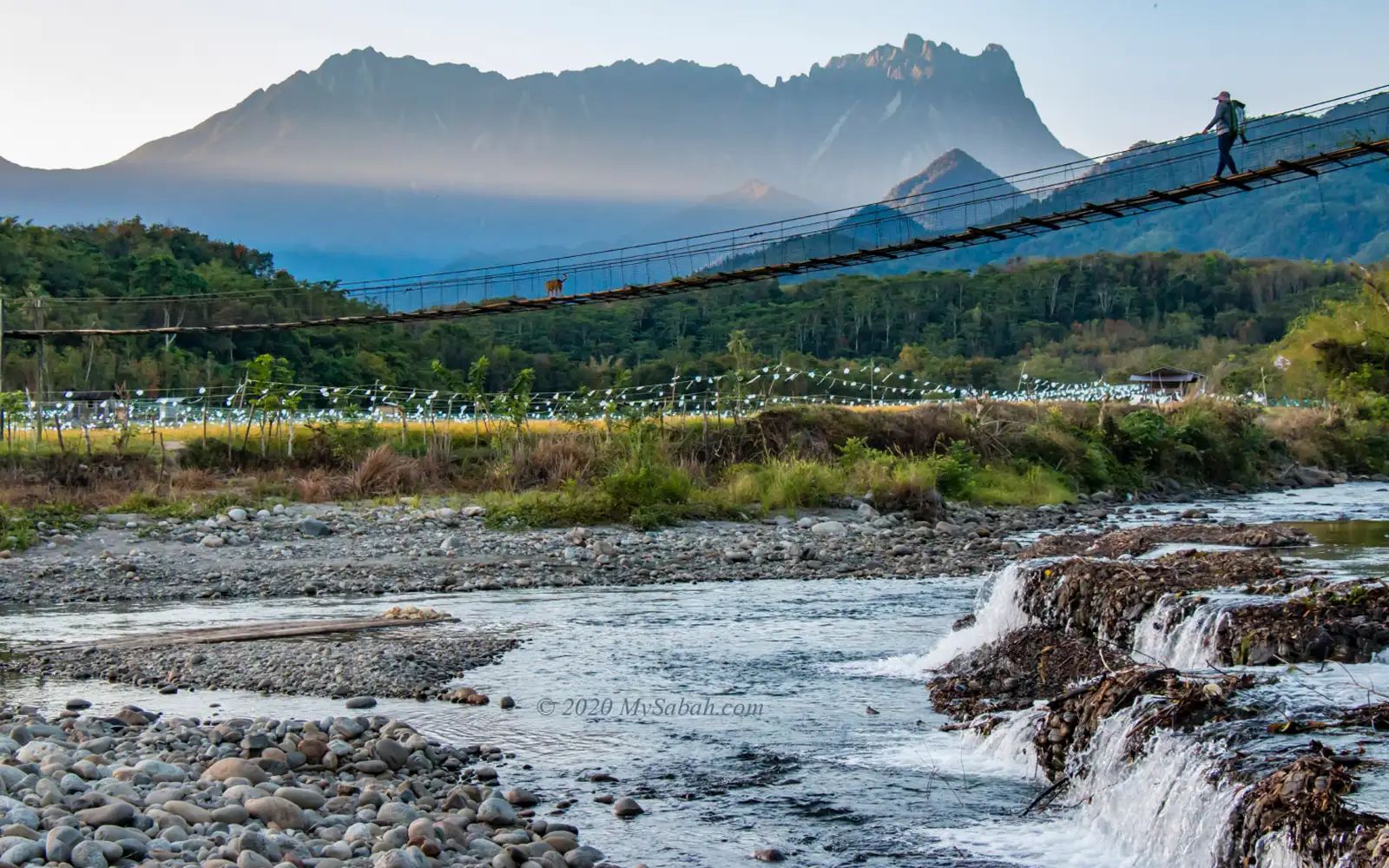
Set against the iconic Mount Kinabalu backdrop, Tegudon Tourism Village is a community-based rural tourism spot in Kota Belud.
It’s a laid-back village experience surrounded by paddy fields, a wide shallow river, and open countryside views. Visitors can walk across a 150-metre bamboo suspension bridge, wade through the river, or simply take in the scenery.
At night, the low light pollution turns the area into a stargazing hotspot, with the Milky Way often visible – so get your cameras ready.
7. Sarawak: Siniawan night market
Siniawan is a former “ghost town” in Sarawak that has been successfully revived into a popular tourist spot.
Just outside Kuching, the Siniawan Night Market transforms a quiet historic “cowboy town” into a riverside food street every weekend.
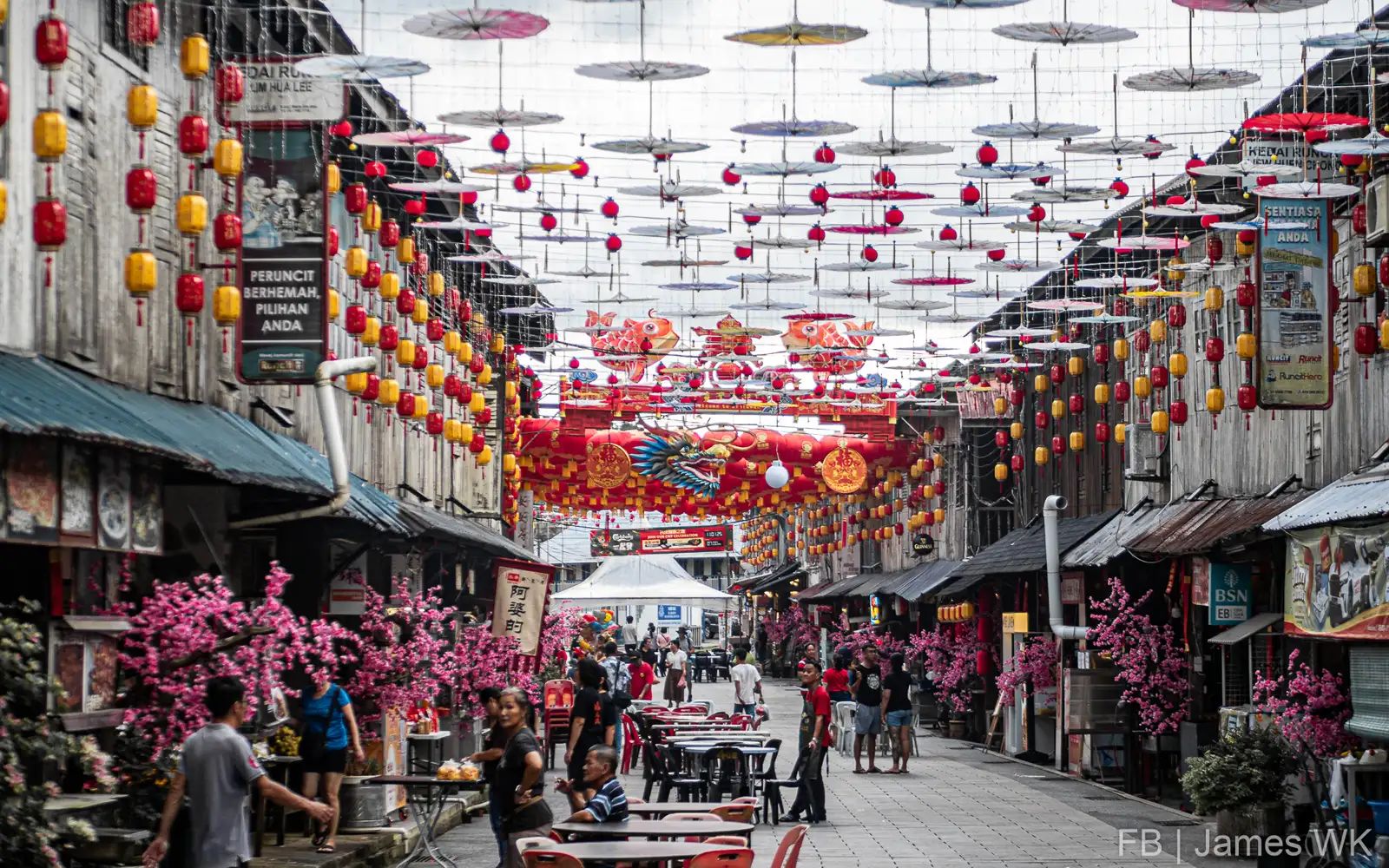
The market is lined with rows of traditional wooden Belian shophouses, their weathered façades and rustic timber frames giving the street an old-world character.
At night, red lanterns strung overhead illuminate the entire stretch. Hawker stalls, busy streets, and old shophouses – the kind of photo that feels very Malaysian.
8. Labuan: Chimney Museum
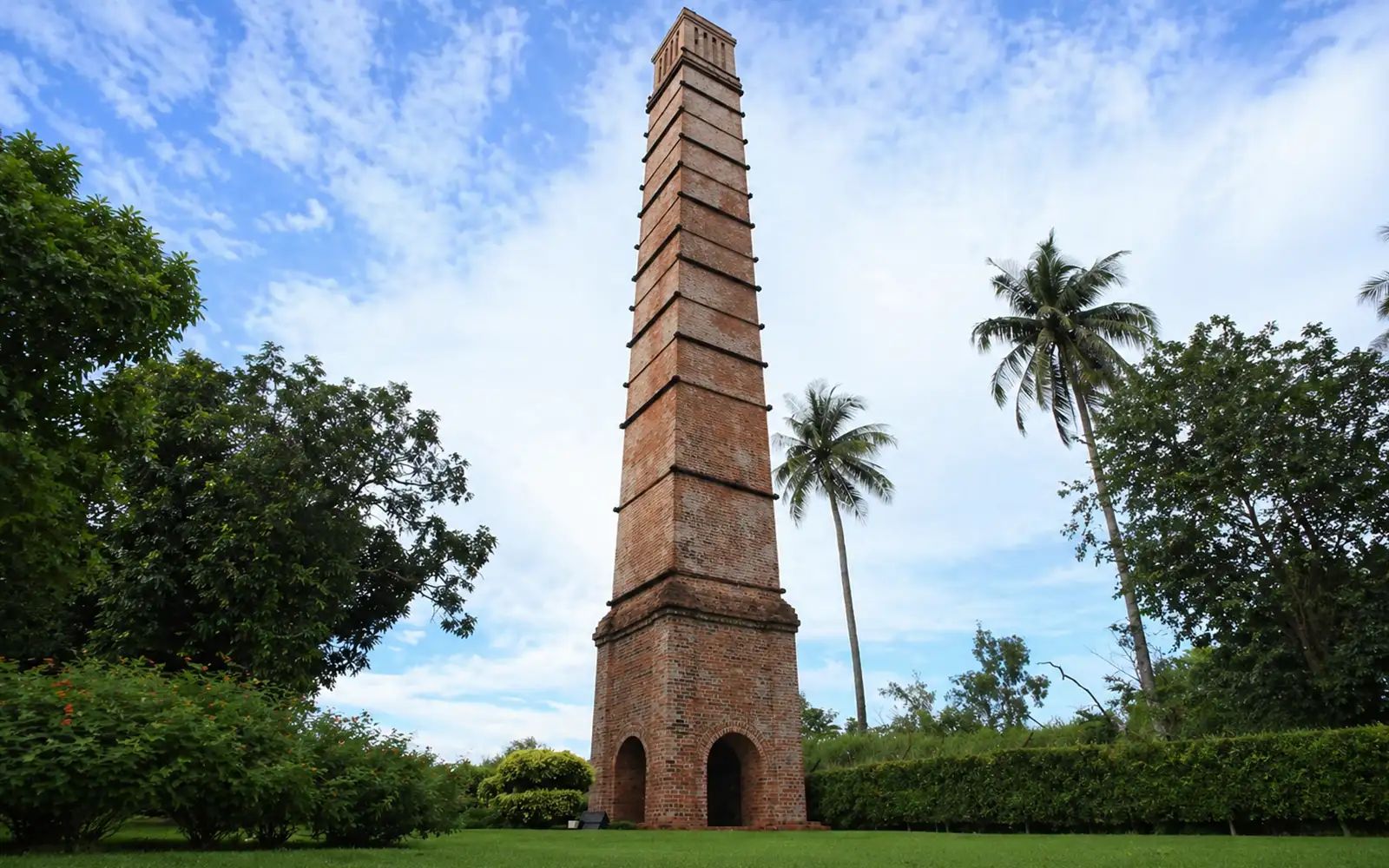
Standing quietly on a landscaped hill, Chimney Museum is one of the island’s most intriguing historical landmarks.
The red-brick chimney, built with over 23,000 bricks, is linked to Labuan’s coal mining past, though its exact purpose remains a mystery.
Some believe it was part of a ventilation system, while others suggest industrial or signalling use. Surrounded by coastal greenery, the structure feels almost surreal against the sea backdrop.