Today, the language is rarely spoken, with many younger Dumpas growing up disconnected from their linguistic roots. Over time, factors such as modernisation, intermarriage, and the dominance of the Malay language in schools have accelerated this decline.
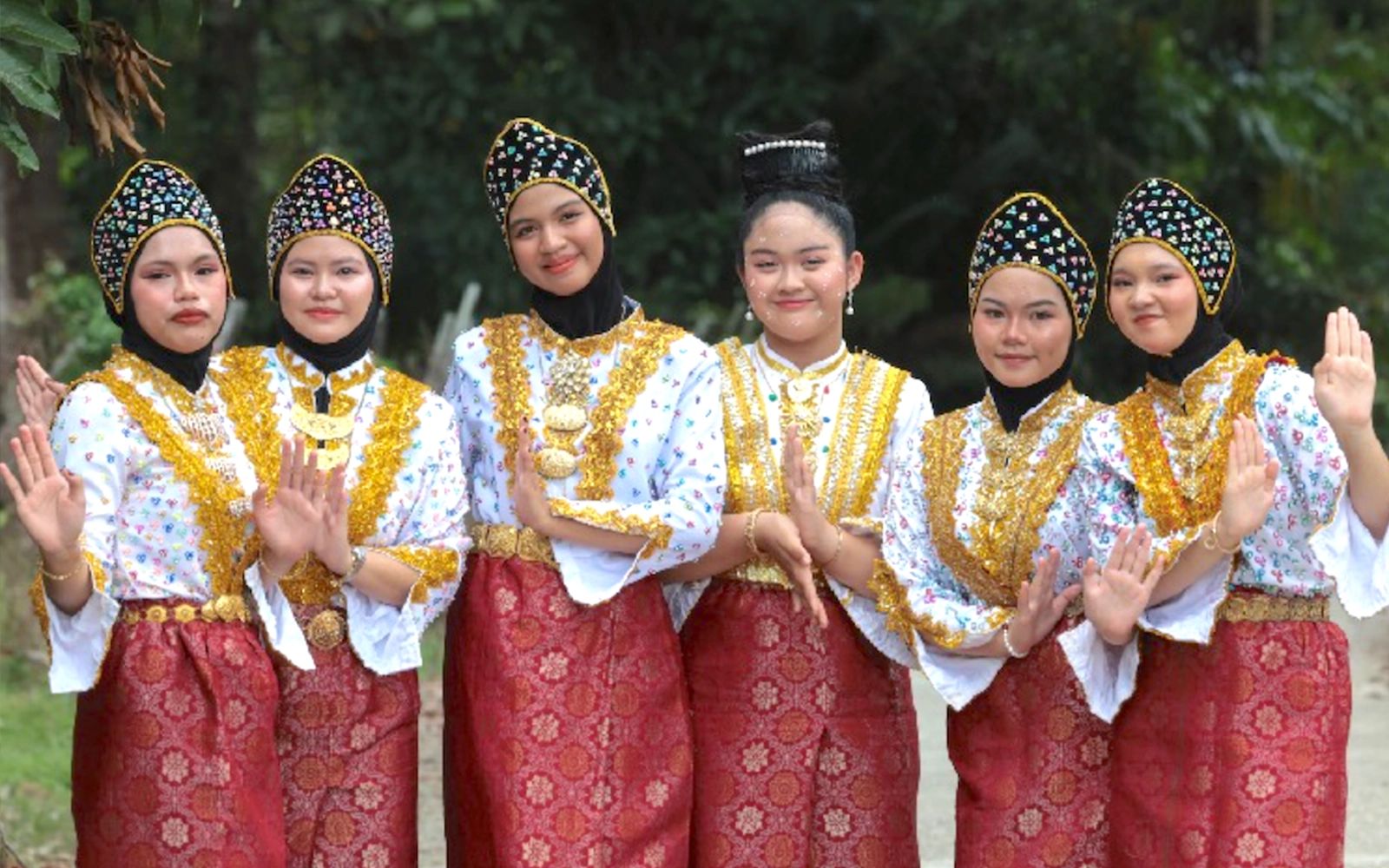
The Dumpas, a Muslim sub-ethnic group of the Dusun people, have a distinct identity shaped by traditions, attire and dance. Yet this cultural richness is increasingly overshadowed by a language crisis.
Without written records, the language has long relied on oral transmission. As a result, vocabulary continues to shrink, with words like “tulun” (person), “sada” (fish), and “awu” or “amu” (no) rarely heard.
Determined to reverse this, the Dumpas Ethnic Association has partnered with Dewan Bahasa dan Pustaka (DBP) Sabah to develop a Dumpas-Malay dictionary – an effort seen as key to preserving their identity.
With a population estimated between 5,000 and 10,000, the Dumpas trace their roots to Telupid, particularly the early settlement of Gana Dumpas. Over time, economic pressures led many to migrate across Sabah, from Sandakan and Tawau to Kota Kinabalu and Ranau.
But alongside this geographic spread came an identity struggle: for decades, many chose not to openly identify as Dumpas. According to association president Abdul Wahab Abdul Gani, this was shaped by the legacy of British colonial rule, when their ancestors were linked to anti-colonial resistance.
“Loyalty to that struggle brought pressure, causing many to feel threatened and afraid to reveal their true origins,” he highlighted.
Over generations, this concealment weakened ties to their heritage, widening the gap between the old and the young.
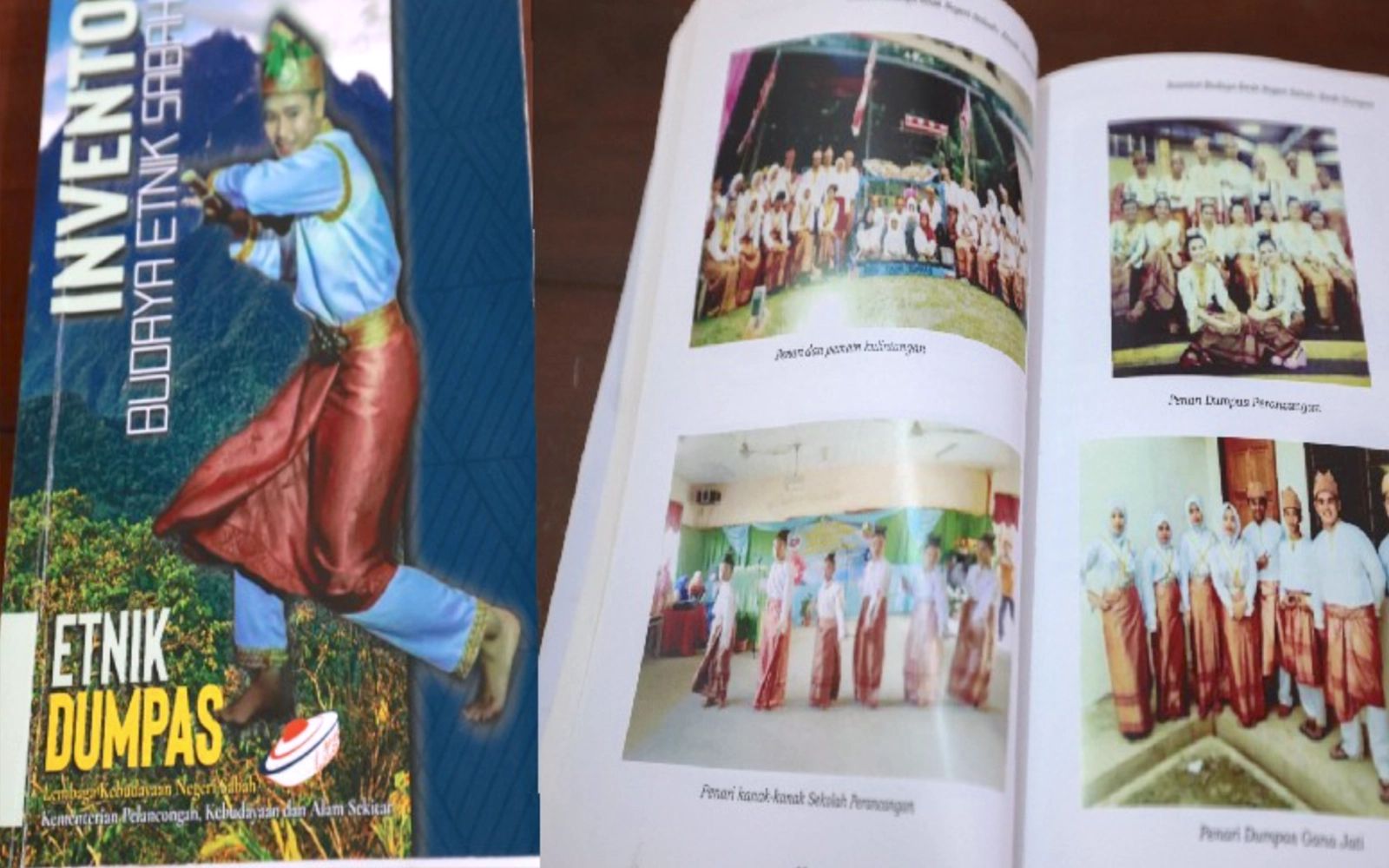
Today, language loss is driven largely by changing lifestyles, while the association’s deputy president, Bidin Angau, said the absence of written references has made the situation more fragile.
“Without proper documentation, awareness and initiative among younger generations to learn their mother tongue have declined significantly,” he said.
The idea to document the language gained traction after the formation of the association in 2015, which helped reconnect communities across Sabah.
Early efforts included compiling basic vocabulary and cultural records, before the collaboration with DBP Sabah led to the launch of the dictionary project in 2020.
Now about 90% complete, the dictionary is expected to contain around 5,000 entries. The process has been painstaking, relying on memory, community input and years of groundwork at village level.
“Overall, the groundwork took four years, with continuous guidance from DBP officers,” Bidin added.
While the dictionary is still being finalised, signs of revival are already emerging. Villages such as Kampung Tembidong-Bidong and Kampung Biru-Biru have begun reintroducing the language in daily conversation, with younger generations showing renewed interest.
“What once seemed impossible is now becoming a reality, as children and young people speak the language of their ancestors with confidence,” Bidin concluded.