
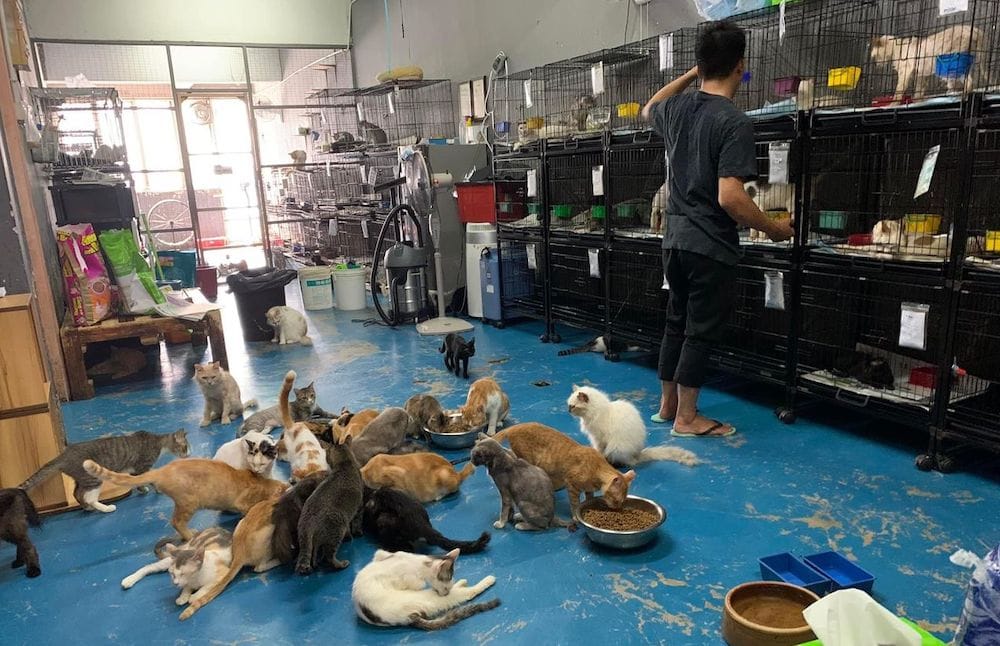
Pauline Lim is the founder of Meowy Cat Shelter, a sanctuary for disabled and injured cats and kittens in Penang. Although she could be relaxing and enjoying her retirement years, Lim, 67, has devoted herself to helping stray cats, and even uses her life savings to keep the shelter afloat.
Last year alone, Meowy Cat received 422 cats and kittens, 254 of which have since found their forever homes.
“But, no, I do not expect the trend of cat adoption to increase in the Year of the Tiger,” Lim, who founded the shelter in 2014, tells FMT.
Instead, she reveals a harrowing truth: “More people have been dumping cats since the pandemic started.”
These cats are abandoned by “hoarders”, who “keep taking in cats without spaying or neutering them, causing them to multiply”.
“When these people find they cannot afford to take care of all of them, the cats will be thrown out,” she explains.
“I have seen cases where kittens were abused and left in garbage bins. Many of them suffer from malnutrition and have wounds on their bodies.”
This trend only worsened last year, she says, adding that there are also those who only want kittens and will dump their pets once they have grown up.
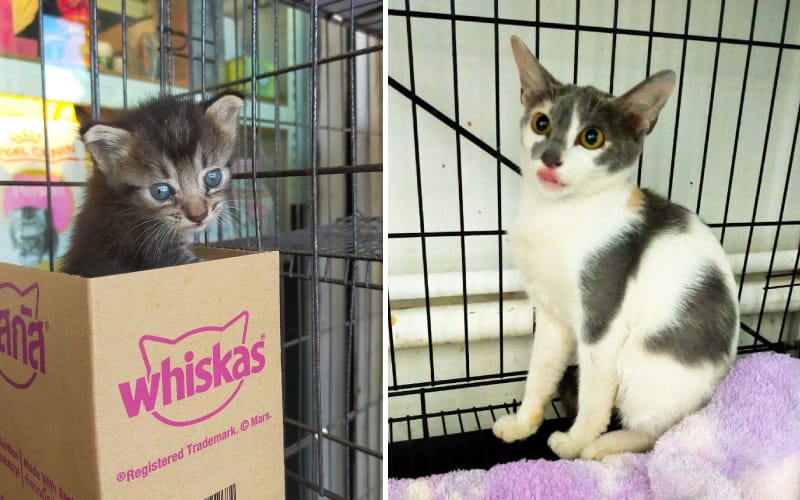
On average, the shelter receives 60 kittens a month. “Around 40% of them do not make it due to the severity of their conditions. Some even die within 30 minutes of arrival.”
Lim puts in her best effort to treat every animal that is brought in.
“It costs between RM60 and RM250 to treat a feline, which includes deworming and de-fleaing them. These help them stay healthy and increase their chances of being adopted, because no one wants a sick cat.”
Those that are really unwell will need to be left in a veterinarian’s care, leading to substantially higher medical bills.
Lim has been holding a weekly adoption drive in Balik Pulau and, in the meantime, Meowy Cat Shelter needs help from the public to survive the aftermath of the pandemic.
“The shelter is suffering financially due to dwindling donations and the accumulation of medical bills. The public’s support will not only keep us going but also give hope to strays who deserve a chance at life.”
To donate, visit Meowy Cat Shelter’s website for details. For more information, visit its Facebook and Instagram profiles or contact 016-4229091.
A cruel act
Lim’s observations are echoed by Nurul Ain Abdul Hamid, founder of Seroja Inn Home Shelter in Shah Alam, Selangor.
“The number of cats being abandoned during the pandemic has increased,” the 28-year-old tells FMT, suggesting that this could be due to the impact of the outbreak on the economy.
“It’s cruel because cats who have been cared for by humans will not be as independent as stray cats.
“They would not be able to adapt to life on the streets as they are so used to living with humans, and might not even survive because they don’t know how to find food.”
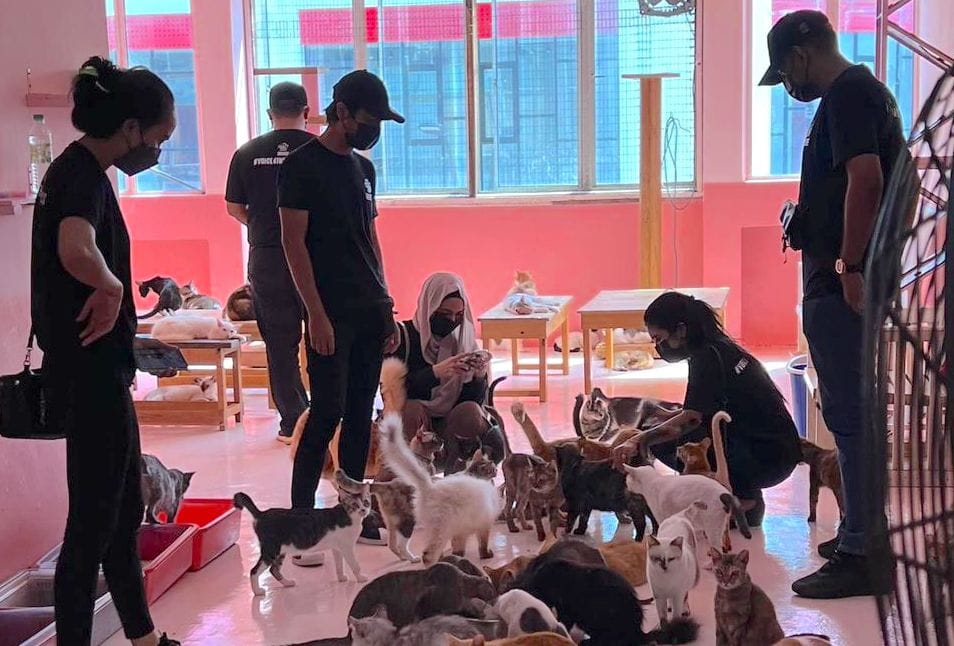
Established in 2012, the shelter has approximately 400 cats, and focuses on felines that are critically ill or have been involved in accidents.
“We rescue and treat these cats on our own, or people send them to us. If any of them have serious injuries, we take them to the vet,” she says.
In pre-Covid days, the shelter would participate in cat shows where they could do adoption drives.
“We could find 10 to 20 cats their new furever homes within a week,” she says. Sadly, these events have since been put on hold.
Since the onset of the pandemic, Nurul estimates that between five and 10 cats are adopted monthly from Seroja Inn Home. She, too, has not seen an increase in adoptions leading up to the Chinese New Year.
The shelter is appealing to NGOs and government agencies to invite them to events where they can set up adoption booths.
“I hope we will all be more emphatic and responsible towards our cats,” Nurul adds.
“Neuter or spay them because, by doing so, we’re helping to reduce the number of strays out there.”
Seroja Inn Home Shelter welcomes volunteers and contributions from the public. To find out more, visit its Facebook profile or contact 013-5131833.