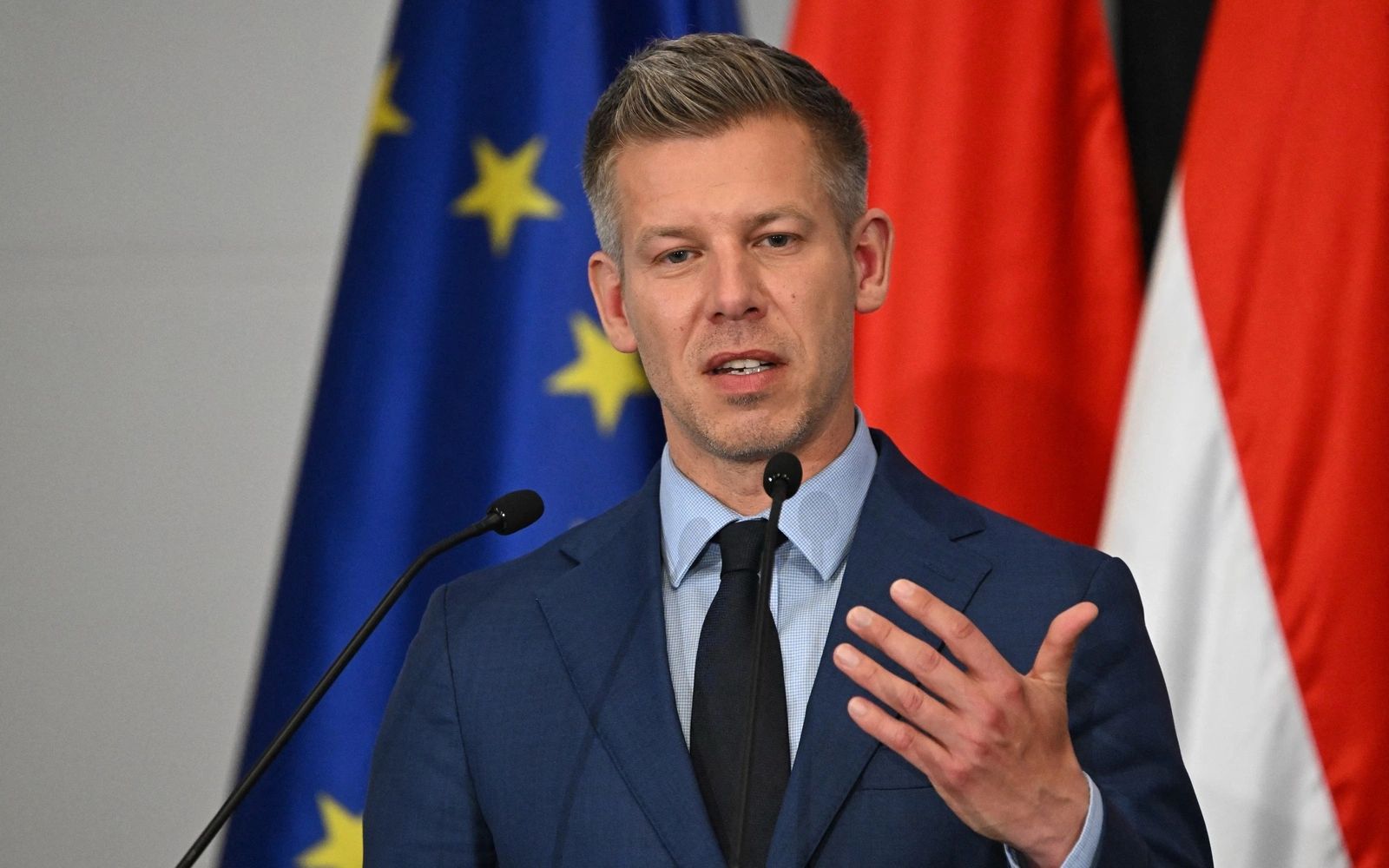
Magyar, who defeated longtime nationalist leader Viktor Orban in an election in April, has been eager to show progress in securing badly needed money blocked during his predecessor’s divisive tenure.
“We have arrived in Brussels for the most important talks of recent years. Access to many thousands of billions of forints is at stake,” Magyar wrote on X Thursday ahead of the talks.
The EU has frozen around €18 billion (US$21 billion) in funds earmarked for Budapest because of democratic backsliding, tackling graft and the treatment of LGBTQ issues under Orban’s rule.
The money could help Magyar revive Hungary’s flagging economy and generate goodwill as Brussels seeks to push ahead with files previously blocked by Budapest, such as membership talks with Ukraine.
Magyar has sounded upbeat about securing a preliminary political deal to that end, saying in a social media clip that while there were some “open questions” agreements had been “nailed down” on many important issues.
Von der Leyen’s European Commission has taken a more cautious stance.
‘Have to wait’
Just over €10 billion of the frozen total are from the EU’s Covid recovery fund, and Hungary has until the end of August to present a new plan to secure them.
“A series of meetings has been taking place between the teams on both sides to make as much progress as possible,” commission spokeswoman Paula Pinho told a press conference Thursday.
“What exactly will be the outcome? We will have to wait.”
Brussels has made overtures towards a fast release as both sides pursue a quick reset in relations.
In a similar scenario, the EU had unlocked billions of euros for Poland in 2024 as soon as the government of pro-European Prime Minister Donald Tusk offered assurances that change was afoot.
But EU sources have cautioned that reforms in Hungary must come first and that bringing about change might take time.
While in power, Orban, a self-described “thorn” in the EU’s side who maintained close ties to Moscow, kept the Constitutional Court, Public Prosecutor’s Office and Court of Audit on a tight leash and appointed allies to run them.
Magyar, whose party holds a large majority in parliament, has begun initial reforms – and his camp voted Wednesday to drop Orban’s plan to withdraw from the International Criminal Court (ICC).
“We are working, we are fighting, we are fighting for the last euro cent,” said Magyar, who on Thursday also held meetings with Belgian Prime Minister Bart De Wever and Nato chief Mark Rutte in Brussels.