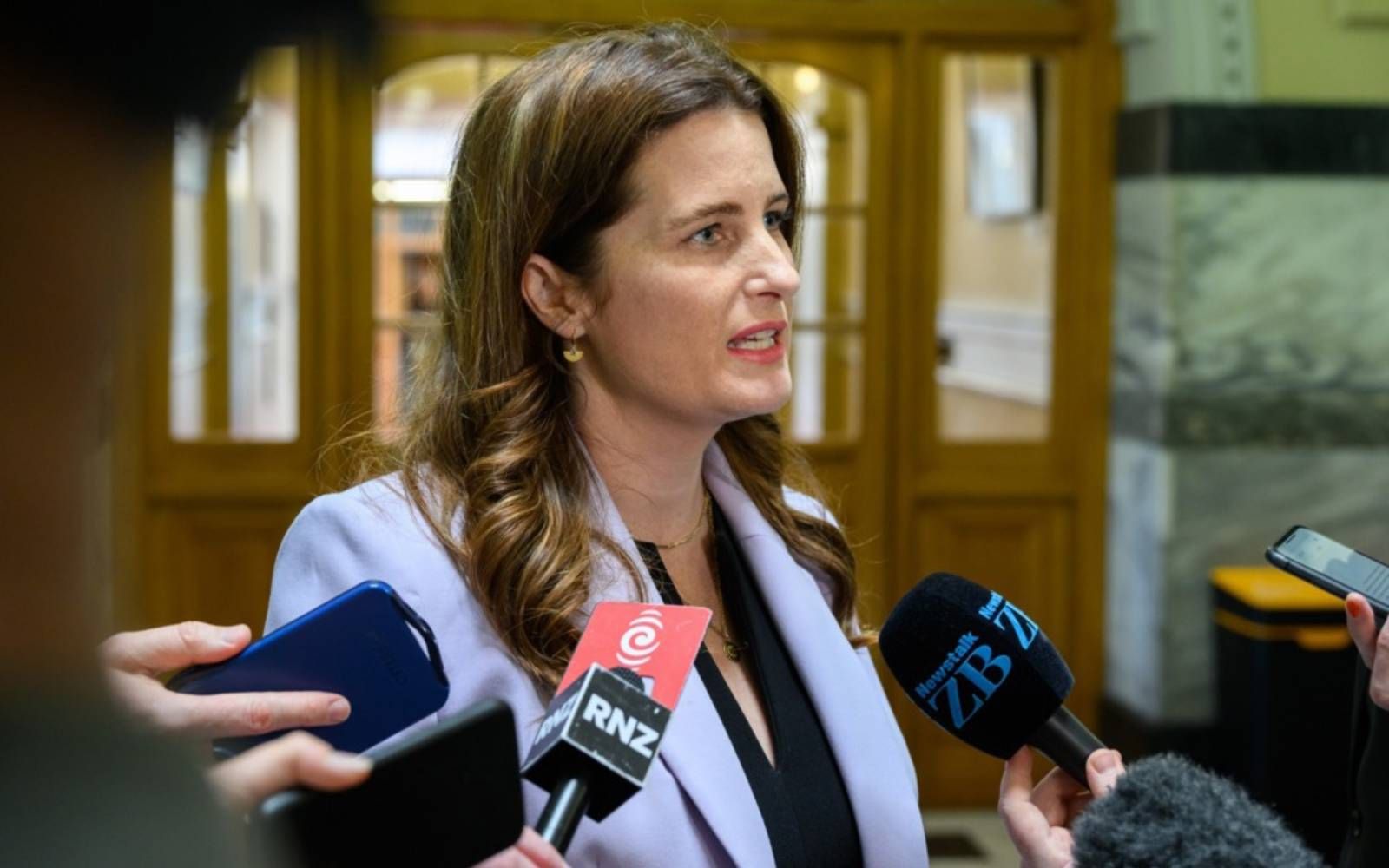
In a pre-budget speech to Business North Harbour, Willis said the government would reduce the core public service to no more than 55,000 full-time equivalent employees by July 2029, 8,700 fewer than in December last year.
The target would return the core public service to about 1% of New Zealand’s population, which Willis described as its historic norm. She said the cuts would not apply to teachers, nurses, doctors, police or workers employed by Crown entities.
“With an election around the corner, it’s tempting to proffer another spending band-aid,” Willis said, rejecting “free” policies or cash handouts. “Our government is not going to repeat those mistakes.”
The May 28 budget will reduce most agencies’ operating budgets by 2% in the coming year, followed by a further 5% in each of the following two years, generating NZ$2.4 billion (US$1.44 billion) in savings over the forecast period, Willis said.
Willis said New Zealand faced a volatile global environment, high public debt and an annual debt interest bill of about NZ$9 billion.
“New Zealand simply can’t afford another failed spend-up,” Willis said.
The New Zealand government last week said it would set new operating spending at NZ$2.1 billion for the 2026-27 year, around NZ$300 million lower than it had forecast in December, but would increase capital spending to a net NZ$5.7 billion.