Despite her ultraconservative policies, Japan’s first woman premier boasts overwhelming support among young people ahead of Sunday’s snap election.
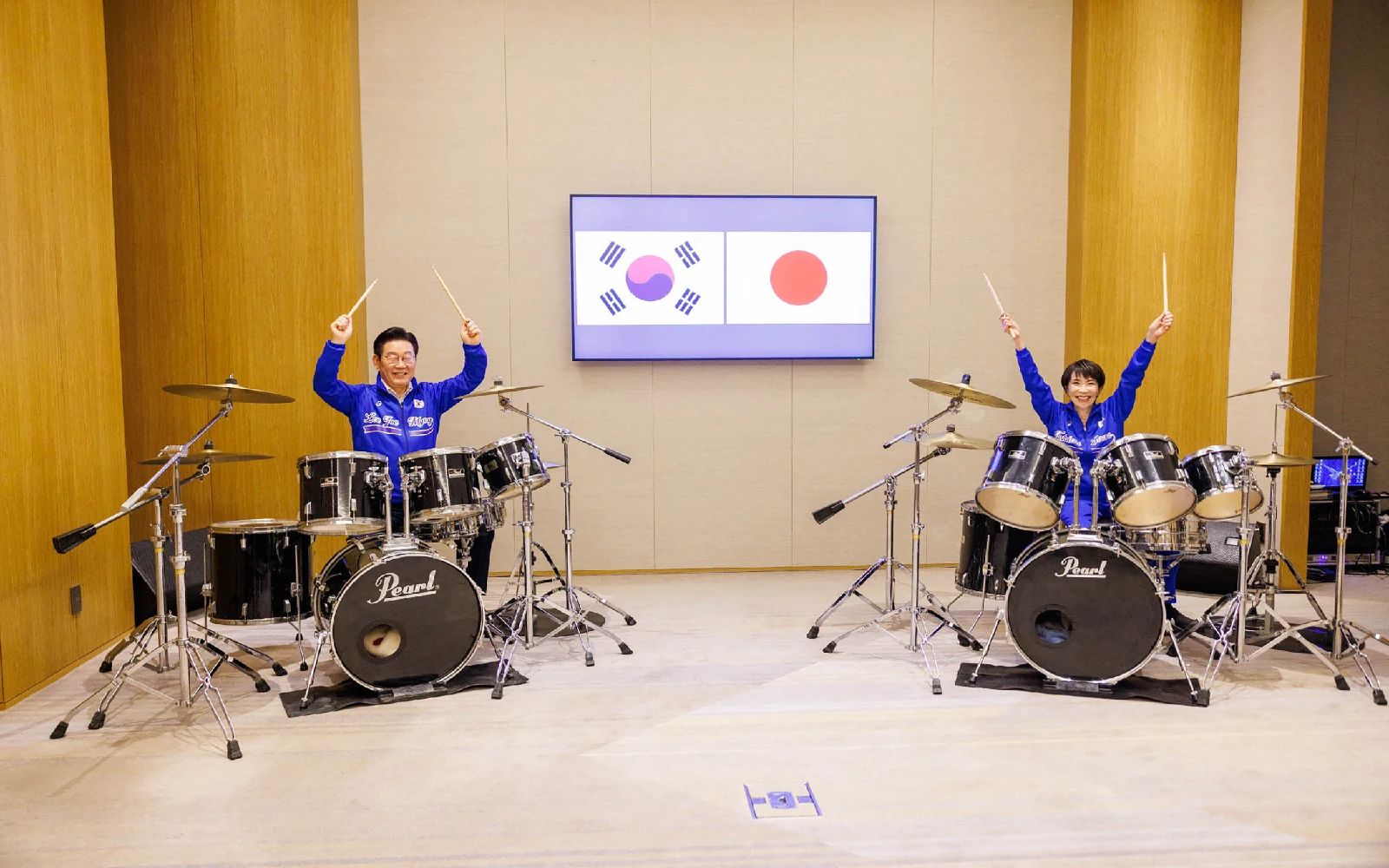
During a whirl of recent diplomatic engagements, Takaichi played K-pop on the drums with South Korea’s president and snapped selfies with Italy’s prime minister, casting herself as hard-working, relatable and a symbol of change.
But with turnout among younger generations chronically low and Takaichi’s ruling party unpopular, polls suggest the excitement may not translate into votes.
Ahead of the election, Takaichi joked with teenagers about her impatience with 15-minute face packs during an interview widely shared online among her Generation-Z fanbase.
Mio Nishimatsu, one of the high school students tapped to interview 64-year-old Takaichi, told AFP she was charmed by her “adorable, humorous” personality and excited that Gen-Z’s “voices might be heard”.
“I doubt many young people go out of their way to study her policies. They are drawn to her overall vibe,” the 16-year-old said.
Clips taken from the interview — organised last month by popular internet platform Niconico as part of a special election programme — have proliferated online.
The comments section praised her effortless humour and impromptu singing. One post called her the “commoner prime minister”.
Another of the student interviewers, 17-year-old Genta Yamamoto, declared himself a casual member of the “Sana-katsu”, a Takaichi fan movement which has seen followers queue up to buy the black tote bag and pink pen favoured by the prime minister.
Like Nishimatsu, Yamamoto can’t yet vote but he is currently devouring a book written by Takaichi and says she reminds him of baseball superstar Shohei Ohtani.
Just like the versatile player, Takaichi “is kind of invincible in that she has both a likeable personality and the ability to execute policies,” he said.
In October, Takaichi inherited a moribund Liberal Democratic Party deserted en masse by voters in part because of inflation and a recent slush fund scandal.
Approval ratings for her cabinet have since remained unusually high, buoyed by youth support that polls put at 70-80 percent last month, compared with around 50 percent among those aged 60 or older.
As campaigning kicked off, young enthusiasts who came to see her speak — like 21-year-old student Shota Onimaru — lauded her for “being assertive in diplomacy” and “prioritising issues around foreigners”, a reference to her calls for stricter oversight of foreign residents.
Though Takaichi’s views on issues like immigration and gender are far from progressive, her appeal to Gen-Z stems less from right-wing politics and more from the “rejuvenation” she represents, Kazuhisa Kawakami, a political psychology professor at Reitaku University, told AFP.
Takaichi — who also stands out as a non-hereditary politician from an ordinary family — has distanced herself from old-school politics, shunning late-night drinks and fancy dinners in favour of pre-dawn policy meetings.
“Rather than… spend political funds on drinking at fancy bars, she has impressed upon voters how a woman prime minister can be different,” Kawakami said.
Further boosting her popularity is a mass of creators who crank out pro-Takaichi content on video platforms, a narrative they know will drive views.
A keyword analysis by Senkyo Dot Com, a specialist website about elections, found the vast majority of recent political videos on YouTube portrayed Takaichi positively.
These call her “so cute your heart stops,” hype up her “angelic smile” as she hugs world leaders and feature her effortless “out-debating” of an opposition lawmaker.
Meanwhile, videos about the main opposition Centrist Reform Alliance (CRA) were around 80 percent negative in one January week analysed by the site.
Tokyo voter Mana Suzuki, 20, reads newspapers but admits YouTube and TikTok help shape her political views.
“Even though I’m not that much into politics, pro-Takaichi videos are recommended to me a lot on YouTube. Almost no one is critical of her in the comments section,” she said.
But the extent to which the youth fandom can help Takaichi in Sunday’s elections remains to be seen.
Despite their approval of Takaichi, one poll by the Yomiuri newspaper found last week only 33 percent of those aged 18-39 are willing to vote for the LDP.
Add to this the timing of a mid-winter election during heavy snow, Kawakami said, and “the odds of a drastic increase in their turnout are low”.