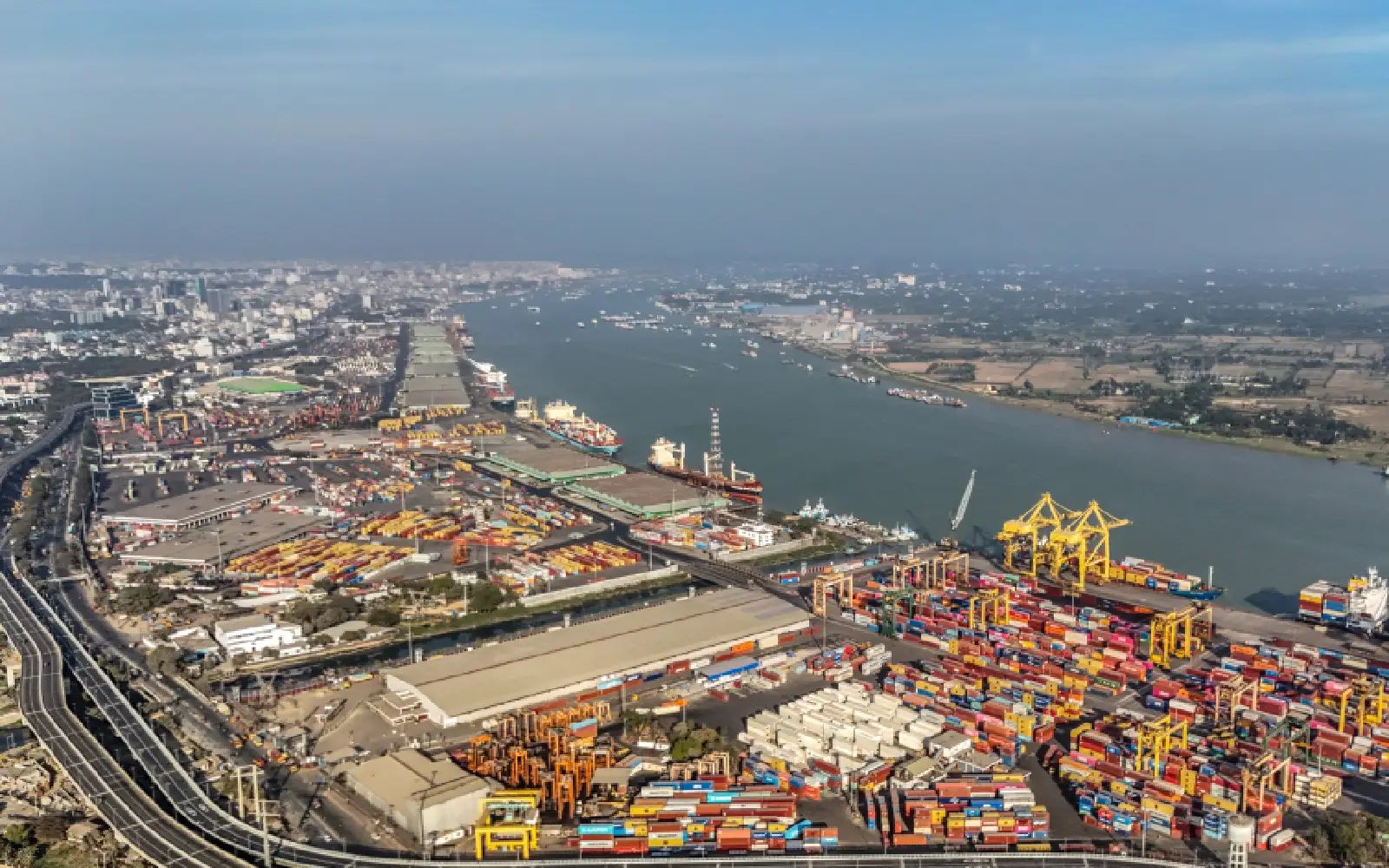
Fazle Ekram Chowdhury, president of the FBCCI, which represents berth, ship handling and terminal operators, said capacity at the port had been cut by 40 percent due to the strike.
It is the latest round of protests over foreign ownership of Chattogram port, formerly known as Chittagong and strategically located on the Bay of Bengal.
Bangladesh, the world’s second-largest garment exporter, relies heavily on the port for most of its imports and exports.
The strike was called after the Bangladesh High Court ruled last week that the contract between the Chattogram Port Authority and UAE-based DP World to operate the port’s New Mooring Container Terminal was legal.
The loading and unloading of cargo and containers almost came to a standstill on Sunday, with cargo delivery also halted.
Chattogram Port Authority spokesperson Omar Faruk did not respond to a request for comment, although other port officials said a committee had been formed to assess the loss of revenue and identify those responsible for the strike.
Police also banned all meetings, rallies and gatherings around the port.
The High Court ruling removed legal barriers to the 25-year lease agreement for the NCT, which was launched in 2007, with DP World.
Several labour organisations, some linked to major political parties, vowed to continue the strike on Monday.
Labour leader Ibrahim Khokon said they feared job losses under their new operators.
“If the foreign company takes charge, port workers will be forced into compulsory retirement, money will be siphoned abroad, and national revenue will be affected,” Khokon said in a statement.
Around 95 percent of Bangladesh’s international trade is handled through four terminals, according to the port authority, with the NCT accounting for 40 percent.
Bangladesh’s interim government, led by Nobel laureate Muhammad Yunus, has argued that an experienced and professional operator is needed to improve port service and efficiency.