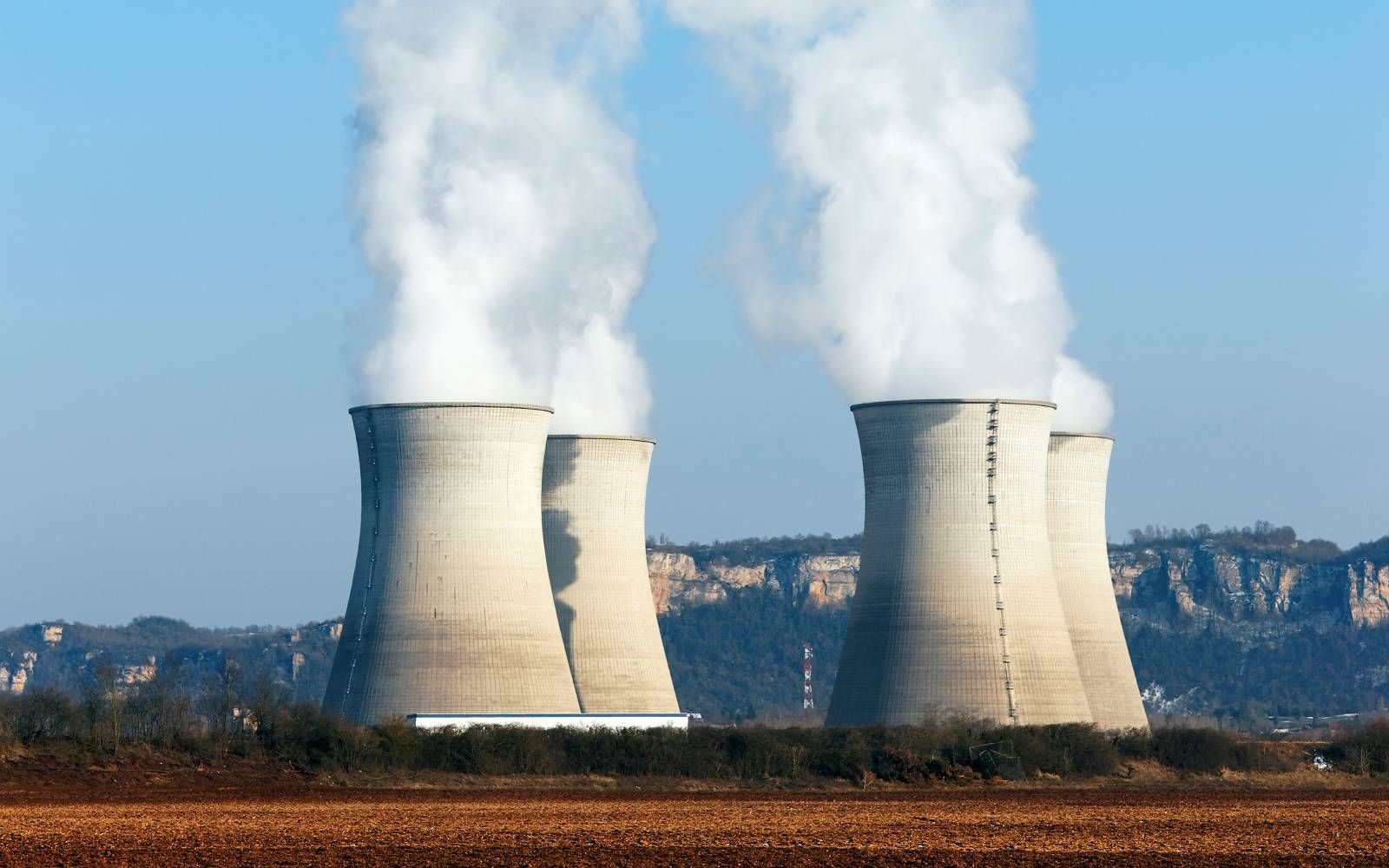
Vietnam resumed its nuclear power programme last year after halting it in 2016. Under the plan, Hanoi negotiated with Russia and Japan to build two power plants with a planned combined capacity of 4 to 6.4 gigawatts, with the aim of signing agreements with Russia by September and with Japan by the end of last year.
However, “progress has not been as expected, with many obstacles needing immediate attention, such as the slow pace of negotiations on cooperation agreements, which are heavily dependent on foreign partners,” Chinh told officials, according to an article on the website of the government’s news portal.
In December, Japan’s ambassador to Vietnam Naoki Ito told Reuters Japan had dropped out of plans to build a major nuclear power plant in Vietnam because the government’s goal of having it online by 2035 was too ambitious.
Chinh instructed officials to complete talks with Russia in January and find a new partner to replace Japan for the second project, with the aim of having the two nuclear power plants online “after 2031”, the article said.
The Russian embassy in Hanoi was not immediately available for a comment.
Vietnam, home to large manufacturing operations for multinationals including Samsung and Apple, has faced major power blackouts as demand from its huge industrial sector and expanding middle class often outpaces supplies. The power grid has also been strained by increasingly frequent extreme weather, such as droughts and typhoons.
The country wants to increase electricity production from multiple sources, mostly renewables and gas, but projects have faced delays and uncertainty over regulatory and pricing issues.