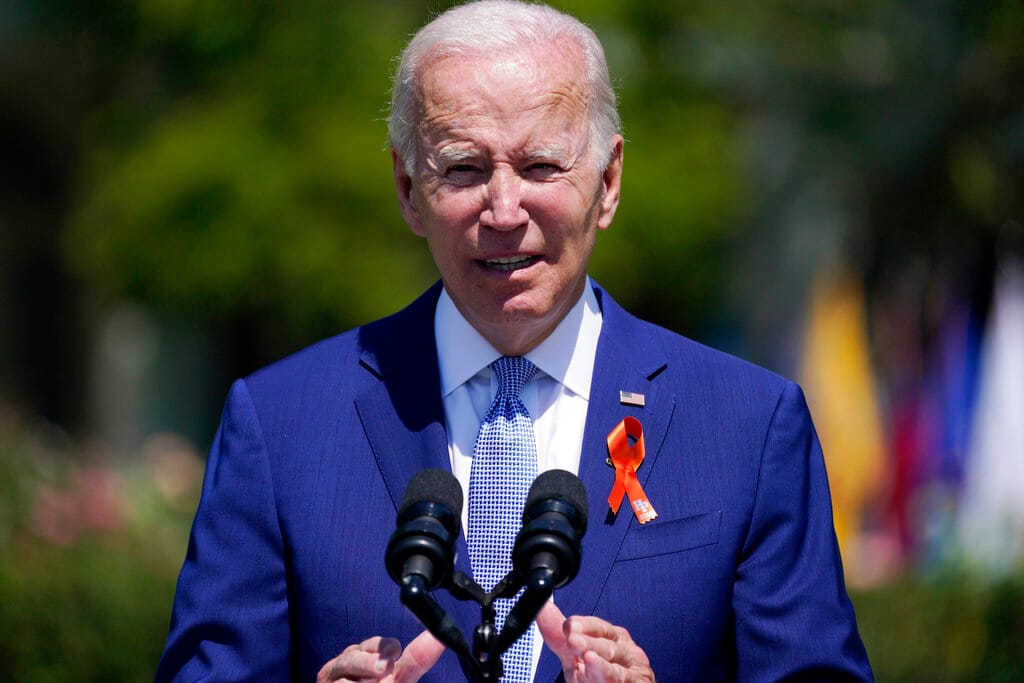
Prior to his election, Biden had vowed that Saudi should be a “pariah” state following the 2018 murder of dissident journalist Jamal Khashoggi, in a recalibration of relations with the oil-producing country that is a kingpin of the Opec oil cartel.
However, since then, key crude producer Russia had invaded Ukraine, propelling oil prices to levels last seen during the 2008 global financial crisis.
That pushed US inflation to the highest rate in more than four decades – and this could yet persuade Biden to set aside human rights concerns before key US midterm elections in November, experts say.
“It highlights his desperation ahead of the midterms to at least be seen to be trying to alleviate the tightness in the market and bring prices back down,” Oanda analyst Craig Erlam said.
“Desperate times call for desperate measures.”
Opec deal expiring
Biden’s chances could be boosted by the looming expiry of a crucial deal among the wider so-called Opec+ group to boost oil production.
Opec+ comprises the 13-nation Organisation of the Petroleum Exporting Countries led by Saudi Arabia and its 10 partners headed by Russia.
The group had previously slashed output in 2020, when demand was decimated by Covid pandemic lockdowns worldwide.
But since last year, countries have been gradually reopening the taps as economies rebound.
Last month, Opec+ stuck to a previously agreed output hike, shrugging off calls for bigger increases to tame elevated prices.
The deal will soon run its course once Opec+ returns to pre-pandemic production after August.
“The expiration of the Opec+ deal in September does create an opportunity and perhaps (Biden) would not be making such a move if he had not been assured that something is possible,” said Erlam.
The grouping will hold its next production gathering in August.
Hopes dashed?
Yet Biden’s hopes for more oil could be dashed because elevated crude prices, despite recent losses, have energised state revenues and economies across the Middle East.
“It would be a massive surprise if Saudi Arabia produced more oil,” said independent analyst Stephen Innes.
Saudi Arabia’s oil-driven economy expanded by 9.6% in the first quarter, its strongest growth rate in a decade.
There is a “significant economic incentive to not increase production”, said XTB analyst Walid Koudmani.
Riyadh is already pumping close to maximum capacity.