The couple prefers the slower pace of life in their hometown, even as their children have settled in different cities and countries.
“For me, it is much better for us to stay in our own home. Our lives are very different from the younger generation these days,” she told FMT.
Soon Mui and her husband are among a growing number of senior Malaysians living independently.
According to the National Health and Morbidity Survey (NHMS) 2025, 18.8% of Malaysians aged 60 and above now live alone, up from 6.3% in 2018. That is a threefold increase in just seven years.
Geriatrics experts attribute it largely to changes in the family structure and growing independence among seniors.

Dr Tan Maw Pin, professor of geriatrics medicine at Universiti Malaya, said the rising trend reflects a growing number of elderly people ascribing greater value to autonomy.
She sees this as a departure from the previous practice of moving from one child’s home to another regularly.
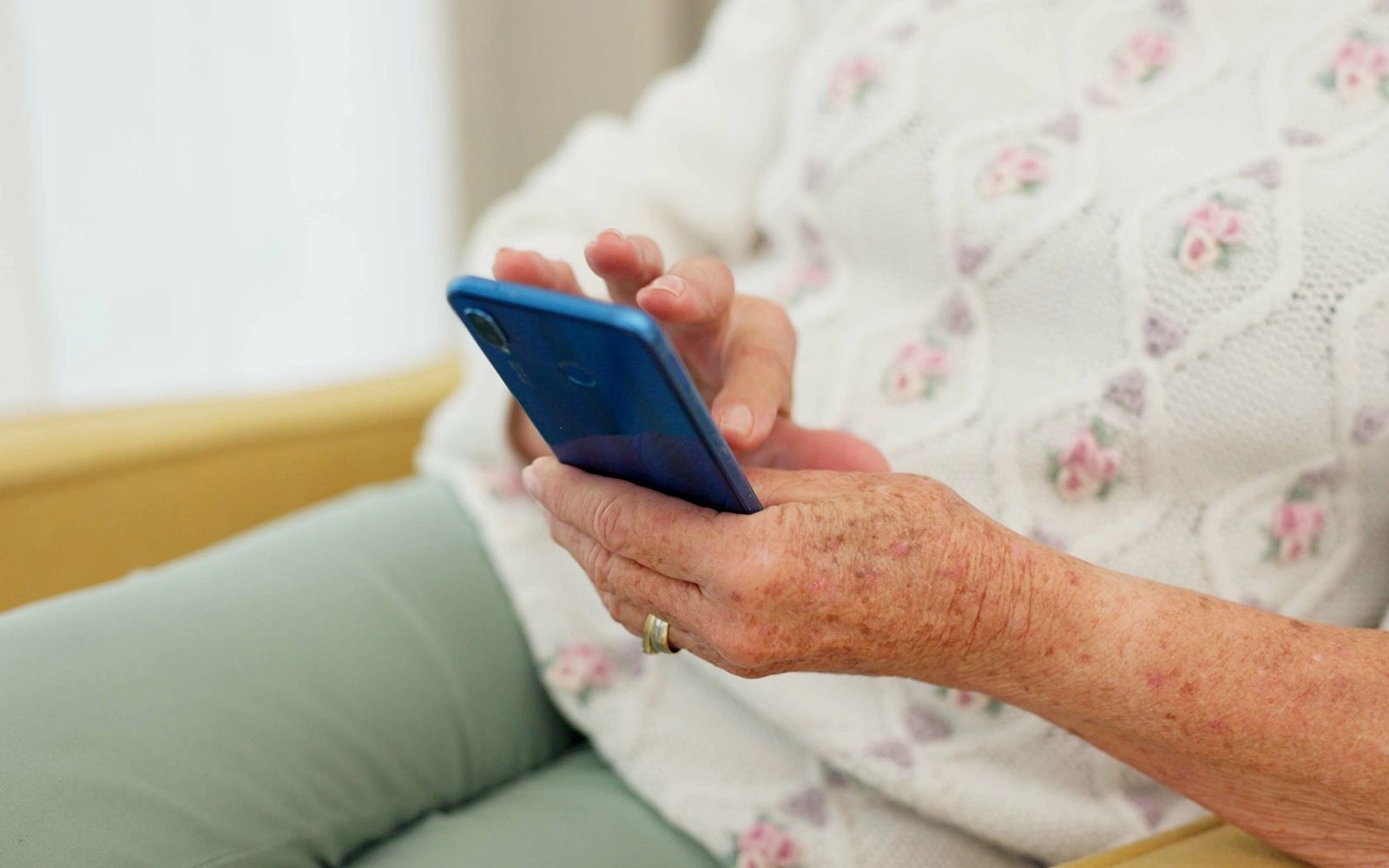
There are other factors, too, according to Maw Pin. For instance, she told FMT, new technology now enables seniors to stay socially connected with family and peers.
“They are in their WhatsApp groups all the time, constantly communicating. And the children call in every day. So they are not really on their own,” she said.
In Soon Mui’s case, she and her husband aren’t particularly tech savvy but still regularly call their children.
The couple also maintains an active routine, with her husband still driving and both frequently eating out.
“If we feel like eating out, we go to our favourite bak kut teh shop. If I’m too lazy to cook, we go to a nearby warung or Chinese restaurant,” she said.
At home, Soon Mui spends her time tending a vegetable garden, rearing stingless bees for honey, and trading stocks on weekdays.
Maw Pin sees this as a very good social support system. “It is very encouraging that their autonomy is respected. So it’s not a failure of society,” she said.
Her view is validated by NHMS data, which shows that 61.3% of seniors living alone reported strong levels of social support.
The Malaysian Healthy Ageing Society has attributed the trend to a shift in the social fabric, such as urban migration and changing family structures.

According to its vice-president Dr Wong Teck Wee, the younger generation is moving to urban centres or abroad for work, leaving their parents back in their hometowns.
“This ‘empty nest’ syndrome is often a byproduct of economic necessity rather than abandonment,” he told FMT.
However, he said, the trend must be supported by strong community networks and formal care systems.
“With these changes, independent living should be normalised to reduce reliance on the family-as-caregiver model, and this can be done by scaling up community-based care such as home nursing, daycare centres and doorstep healthcare.
“Ageing-in-place” infrastructure, such as accessible housing design and senior-friendly transport, should also be considered, Wong said.
“We must normalise independent living for those who are strong and healthy, while building a robust formal care system for those who become weak and frail,” he added.
In a similar vein, Maw Pin said Malaysia must build a “nurturing environment” that enables seniors to live independently rather than become overly dependent on their children.
“If adult children have to give up work to care for their aged parents, then we are losing people who could otherwise be productive in the workforce. We cannot afford that now, given the huge labour shortage,” she said.
She added that independence among older people can be supported by technology, including remote monitoring systems and wearable devices, which can help extend the ability of seniors to live safely on their own.
“The opportunity is so much greater now with modern technology … and (intervention) doesn’t have to be high-tech either,” she added.