Urumai deputy interim chairman P David Marshel said working from home may have made sense during the Covid-19 pandemic, but the focus now should be on steps that brought longer-lasting results.
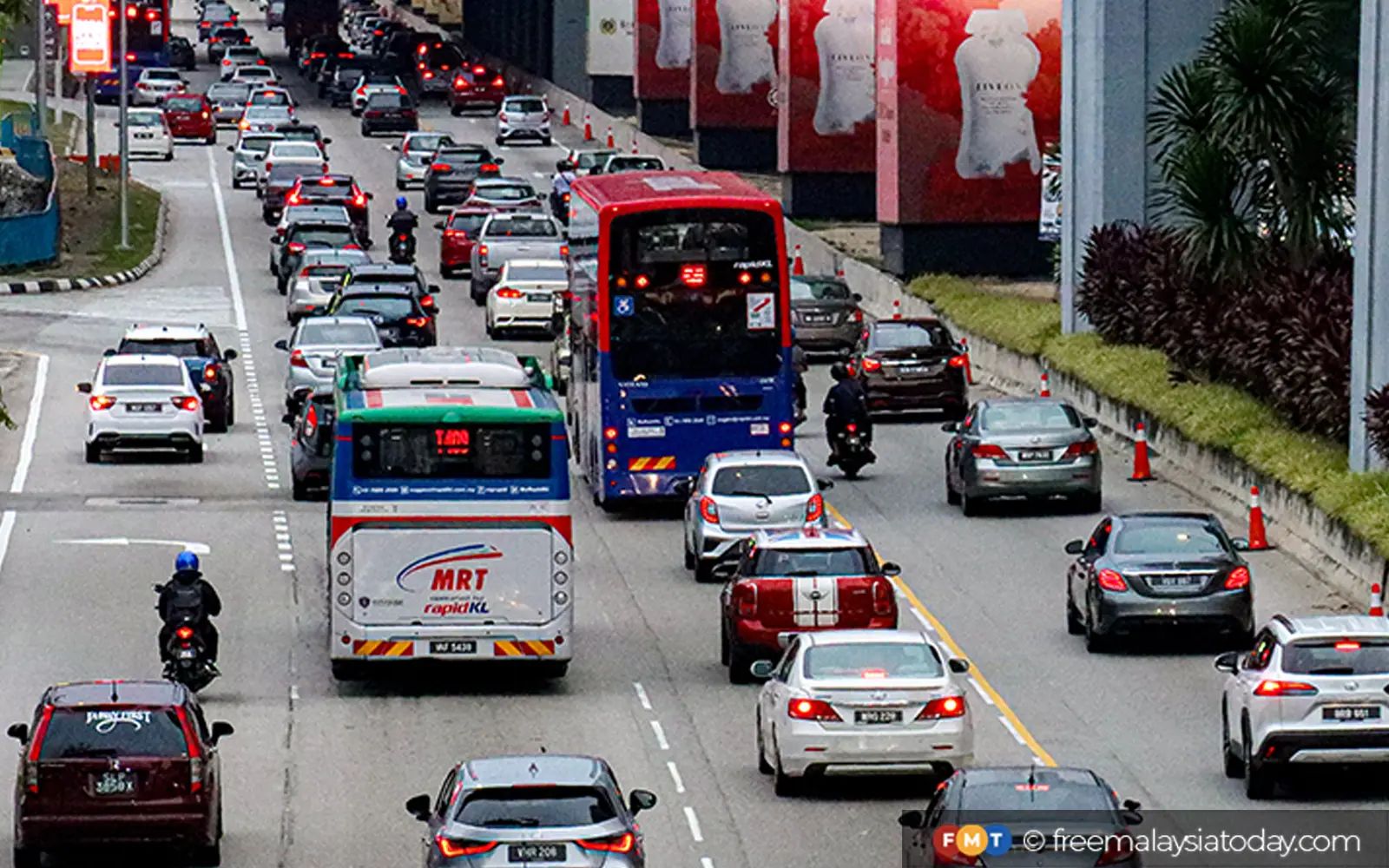
Putrajaya should instead introduce a scheme to get more civil servants, especially those in big cities, to take public transport to work, thus reducing the number of private cars on the road and ease congestion in places with many government offices, such as Kuala Lumpur, Putrajaya, Seremban and George Town.
He suggested that the transport ministry start with a pilot programme involving selected ministries and agencies.

His remarks come as Putrajaya began a work from home arrangement for federal civil servants on April 15 as part of its response to higher fuel costs and the broader energy squeeze linked to the West Asia conflict. The move was reported to involve more than 200,000 public servants.
Marshel estimated that up to a million cars could be on the road each day from the 1.6 million civil servants in Malaysia driving to work. “That has a big impact on traffic congestion and the country’s fuel use,” he said in a statement.
He said higher usage of public transport among civil servants would also give the government more reason to improve public transport services. Special allowances or other incentives could be provided for civil servants who commute by public transport.
If fewer civil servants drove to work each day, there would be more parking bays available at government buildings for members of the public who have dealings with government offices.
“This is an important step towards a more efficient transport system and a more sustainable future for the country,” he said.