The company’s group CEO Tengku Muhammad Taufik Aziz said the perception that Petronas was “swimming in profits” when oil prices reached around US$120 per barrel was inaccurate.

“At first glance, there may be profits in the upstream sector, but in the midstream and downstream segments, input costs — including crude oil purchases, refining and processing — also increase significantly when energy prices rise,” he said in an interview with RTM tonight.
Asked why Petronas does not bear a larger share of government subsidies, he said Petronas remains a commercial entity, while the subsidy mechanism involves broader considerations at the government level.
However, the company had made significant contributions to the country since its establishment in 1974. Tengku Taufik cited the approximately RM1.6 trillion paid to the federal government in the form of dividends, taxes, petroleum payments, and export revenues.
“In the past five years alone, Petronas has contributed more than 20% to the government’s revenue, in addition to channelling nearly half of its post-tax profits as dividends to the government,” he said.
Shipping and insurance costs
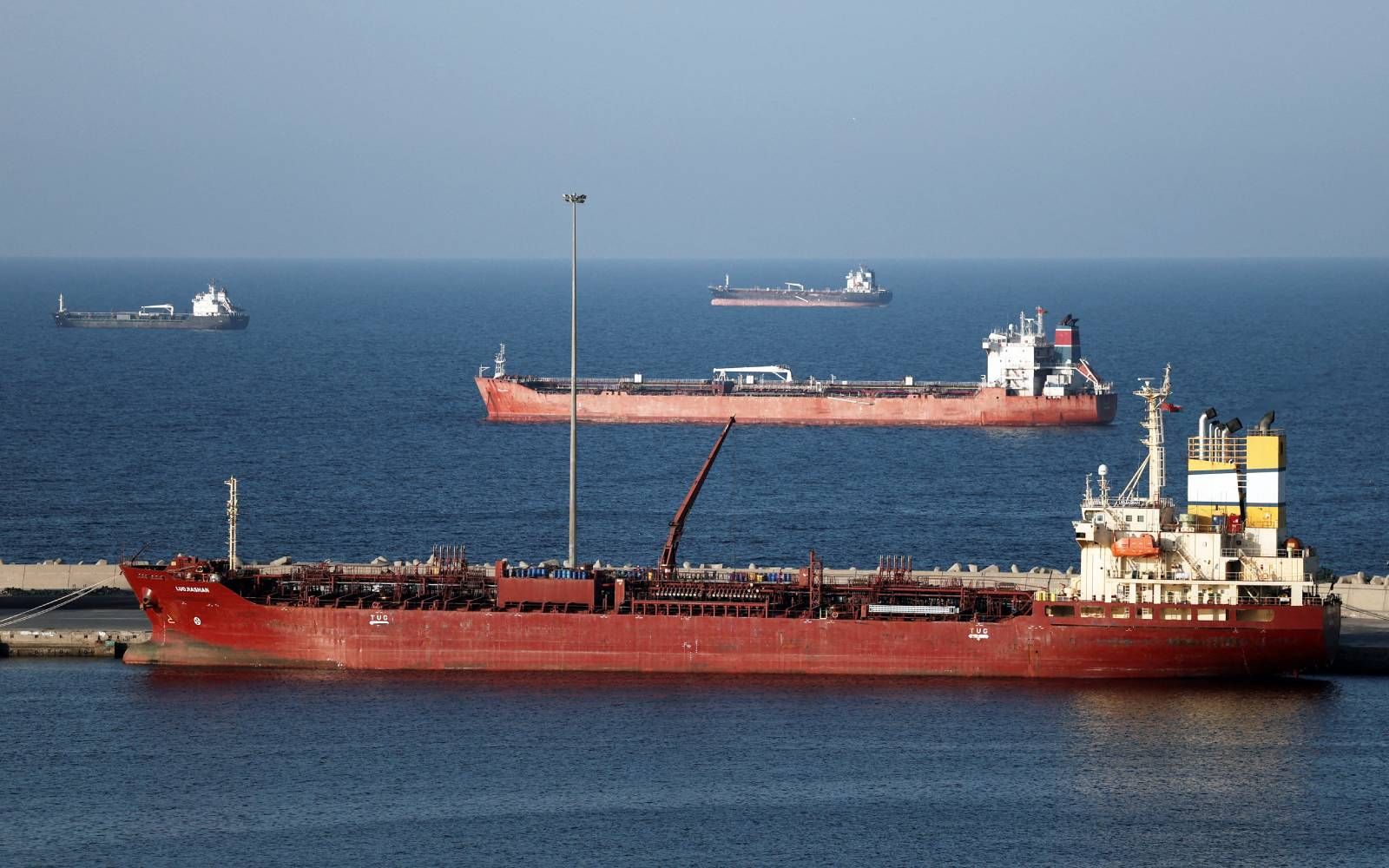
Tengku Taufik said the surge in crude oil prices was not purely driven by supply and demand, but also geopolitical factors, shipping costs, and insurance premiums.
While crude oil prices have surged by 40%, transport costs also went up by between 47% and 176%, and insurance premiums rose by up to 337% since the US-Israel war on Iran broke out.
“Purchases must include shipping costs, insurance costs and transport costs and, once it reaches our shores, there are logistics costs to deliver it to the (next) destination.”
In addition to the Strait of Hormuz, he said disruptions to alternative oil delivery routes like Fujairah and Yanbu in West Asia have also contributed to the rising crude oil prices.
“Ship owners providing crude oil transport services must take on risks. Insurance premiums also rise due to ships passing through conflict zones or areas identified as experiencing conflicts,” he said.