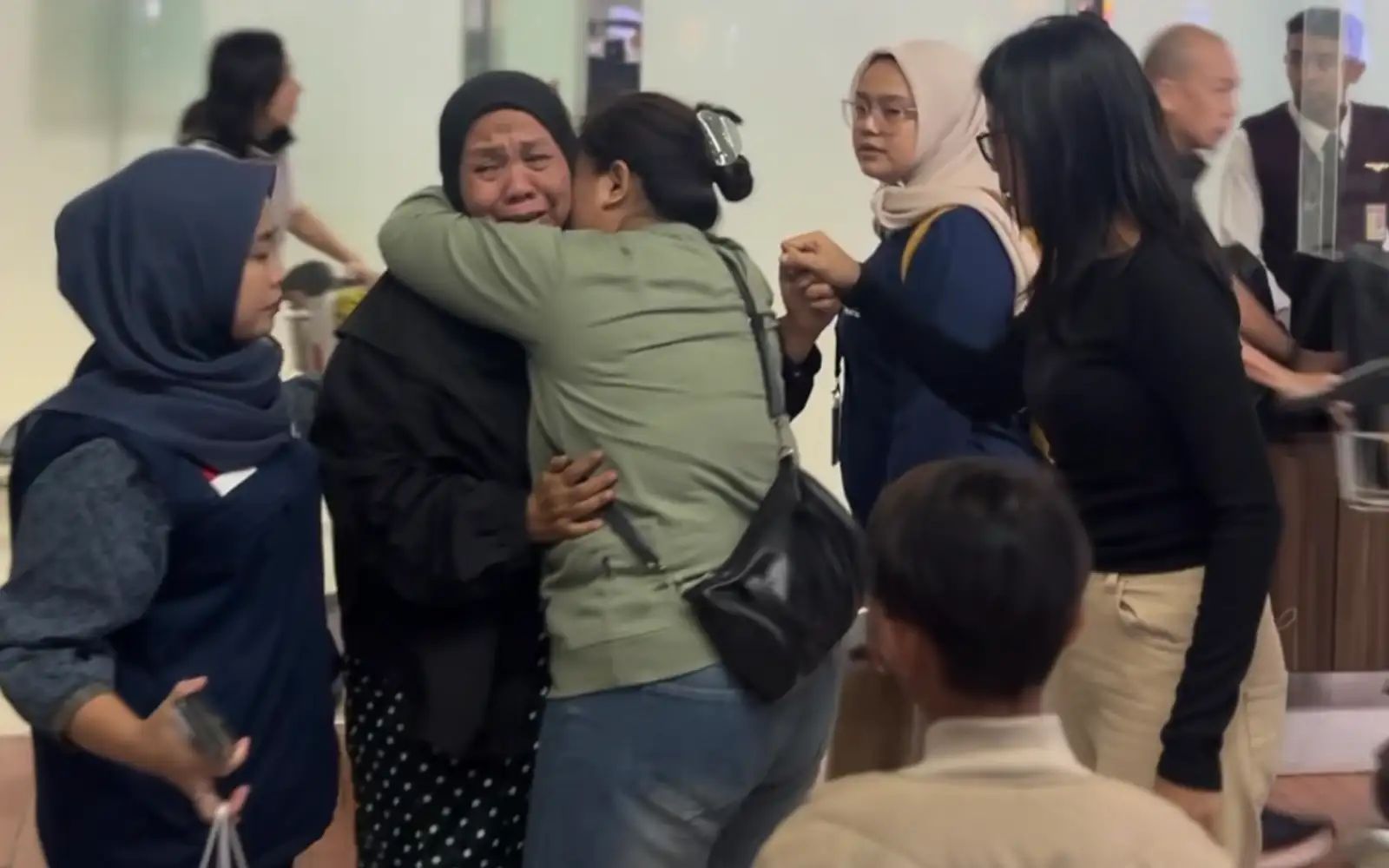
The call by Kuala Lumpur-based Hayat and Indonesia’s Lembaga Bantuan Hukum Masyarakat (LBHM) follows the release of a 66-year-old Indonesian woman who spent nearly 15 years on death row in Malaysia.
Asih, legally known as Ani Anggraeni, returned to Indonesia on April 2 after being granted clemency by the Penang governor on March 19.
She was arrested in 2011 at Penang Airport after authorities found 3.8kg of methamphetamine in a suitcase she was carrying.
She had been recruited with the promise of work as a caregiver, but was instead instructed to transport the bag from Vietnam to Malaysia.
She was initially sentenced to death under the Dangerous Drugs Act 1952. Her sentence was commuted to life imprisonment in May 2024 following the abolition of the mandatory death penalty.
The rights groups said Ani’s experience reflected a common pattern in which women from impoverished backgrounds are manipulated and deceived into being drug couriers.
“What Ani and many other women have experienced fits the definitive practices of human trafficking, as they were recruited and transported through violence, abuse of power, or exploitation of their vulnerable positions for the purpose of transporting narcotics,” they said in a joint statement today.
“Unfortunately, the integration of examining human trafficking issues into drug cases in Indonesia, Malaysia and beyond is still lacking, resulting in these individuals not being recognised as victims.”
They also said that at least eight other Indonesian women in Malaysia were facing similar circumstances, with their sentences reduced from death to life imprisonment.
“On average, they come from impoverished families, are recruited with job offers and/or romantic advances, and are then coerced into carrying bags or suitcases with drugs without their knowledge,” they said.
The groups urged both governments to learn from Ani’s case and take further steps to address similar cases.
“We encourage the commuting of sentences and the repatriation of prisoners between both countries, particularly for those convicted of drug trafficking whose vulnerabilities have caused them to bear a disproportionate burden of punishment,” they said.