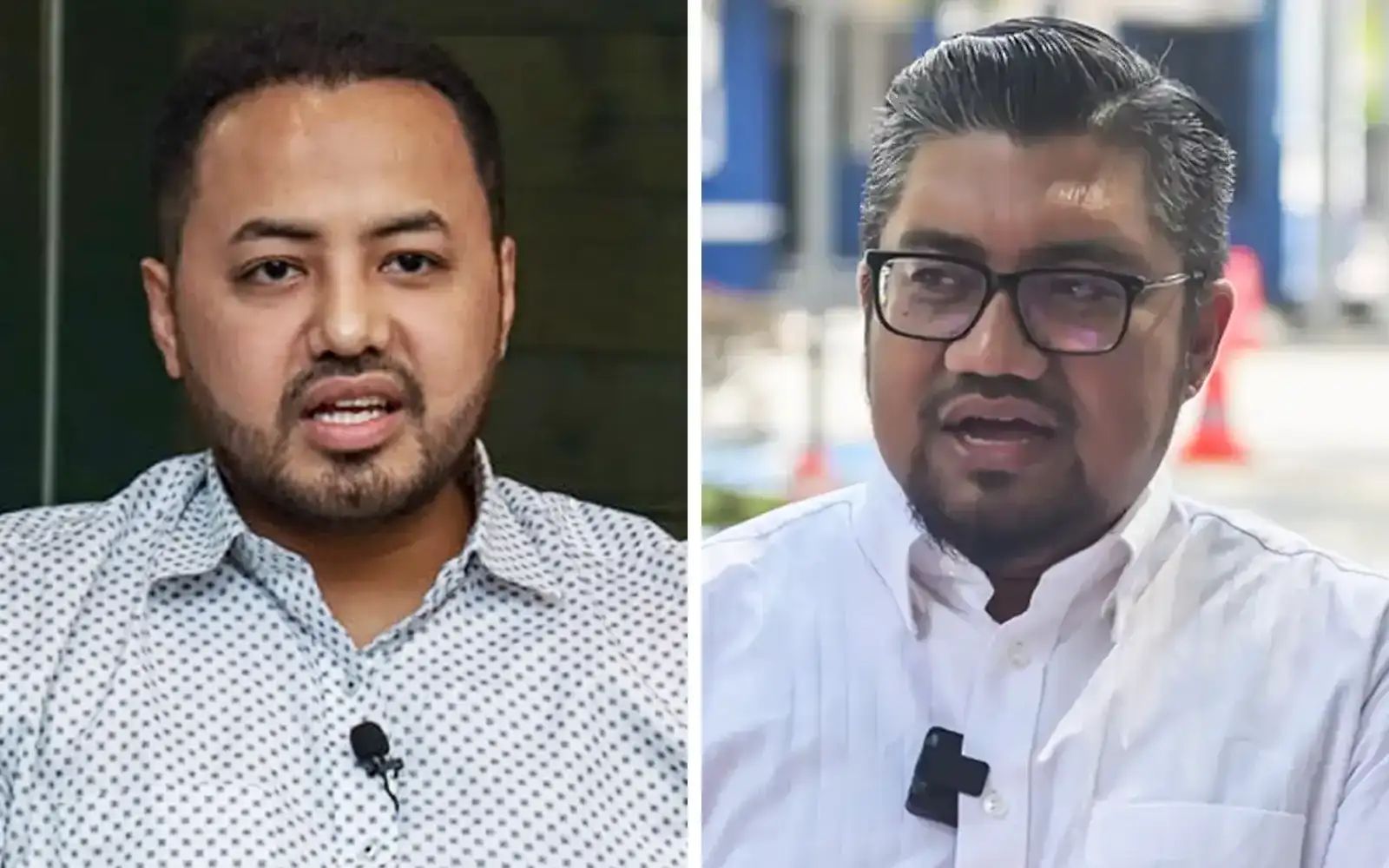
Judicial commissioner Arziah Apandi ruled today that the statements made by Badrul had portrayed Farhash as corrupt, manipulative and undeserving of his professional and political positions.
She said the imputations, individually and collectively, were “serious, damaging and actionable”, exposing Farhash to public hatred, ridicule and contempt.
She also found that the defendant’s statements caused serious and substantial damage to the plaintiff’s reputation across multiple dimensions of his life: personal, political, professional and commercial.
“They have tarnished his reputation by portraying him as corrupt, dishonest and undeserving of his titles and achievements,” she said.
Arziah said the statements had also damaged Farhash’s political legacy by suggesting that he was nothing more than a manipulator who exploited his position for personal gain.
The court further held that both defendants had acted with malice, noting that Badrul had framed the statements as factual observations, while Nurpais amplified their impact through sensational titles and commercial exploitation despite receiving a notice in May last year to remove the video.
“I find that the publication is clearly and organically established against both defendants, with the first defendant (Badrul) as the originator of the statements and the second defendant (Nurpais) as the publisher who disseminated them to vast audiences,” she said.
Neither defendant entered an appearance in court.
The court awarded RM300,000 in general damages, RM150,000 in aggravated damages, and RM100,000 in exemplary damages against both defendants, as well as RM40,000 in legal costs.
In his suit, Farhash claimed that Badrul and Nurpais had published a series of statements, videos and posts on Facebook, TikTok and YouTube in May last year, which were false, defamatory and malicious.
He alleged that the publications accused him of corruption, abuse of power, cronyism, the misuse of political influence, and improper dealings linked to government contracts and political figures.
According to Farhash, the statements portrayed him as dishonest, unethical and corrupt, and implied that he had benefited improperly from political connections.
He also said that the publications were widely viewed, shared and commented on, causing serious damage to his reputation, credibility and standing in society.
He argued that the defendants knew, or ought to have known, that the statements were false and unverified, and failed to take reasonable steps to verify the truth before publishing, causing him embarrassment, distress and loss of goodwill.
Farhash was represented by lawyer Nurin Husnina Hussein.