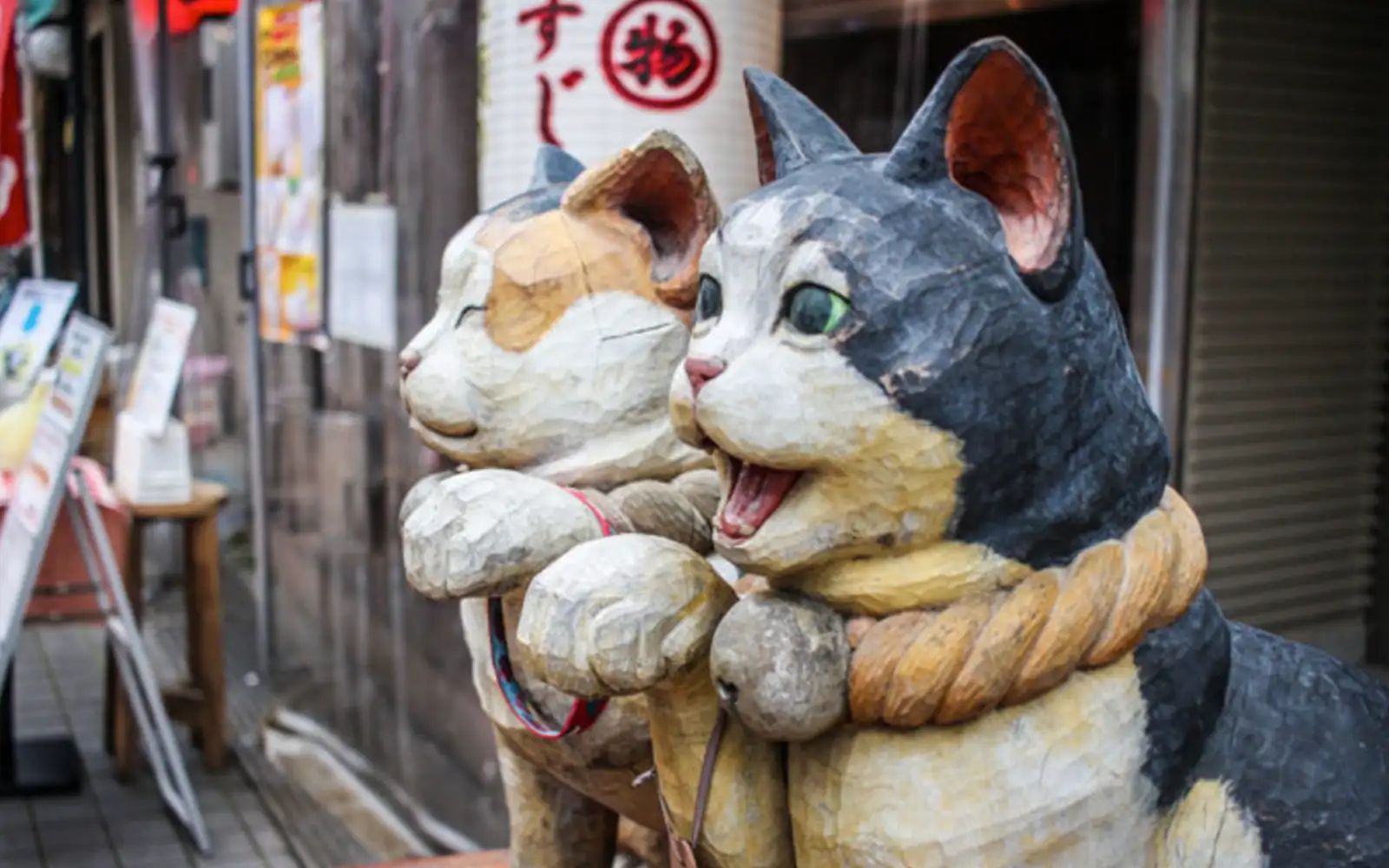
Entire islands are known for their feline residents, while Tokyo even has a neighbourhood affectionately nicknamed “cat town”.
For years now, cats have also outnumbered dogs as household pets in Japan – a reflection of the country’s enduring fascination with its famously independent companions.
That affection has become so widespread, it now has its own nickname: “catnomics”.
According to estimates cited by Japanese media and reported by The Guardian, cats are expected to contribute almost ¥3 trillion (about RM88 billion) to the country’s economy this year through industries ranging from petcare and cafés to tourism, merchandise and publishing.
Nowhere is that obsession more visible than Yanaka Ginza, a nostalgic neighbourhood in northeast Tokyo where cats have become part of the local identity.
The area’s narrow streets are lined with cat-themed signboards, souvenirs and snacks, attracting visitors from around the world hoping to experience a quieter, old-fashioned side of Tokyo with a feline twist.
Shoppers browse stores selling lucky black-cat magnets, chopsticks, crockery and postcards, while some cafés offer sweets shaped like sleeping cats.
“There have always been cats in Yanaka because there are lots of Buddhist temples here,” local shop owner Yumiko Yamashita told The Guardian.
“In the old days they roamed around and even went into different houses, but they’re less visible these days. They prefer to stay indoors on a hot day like this.”
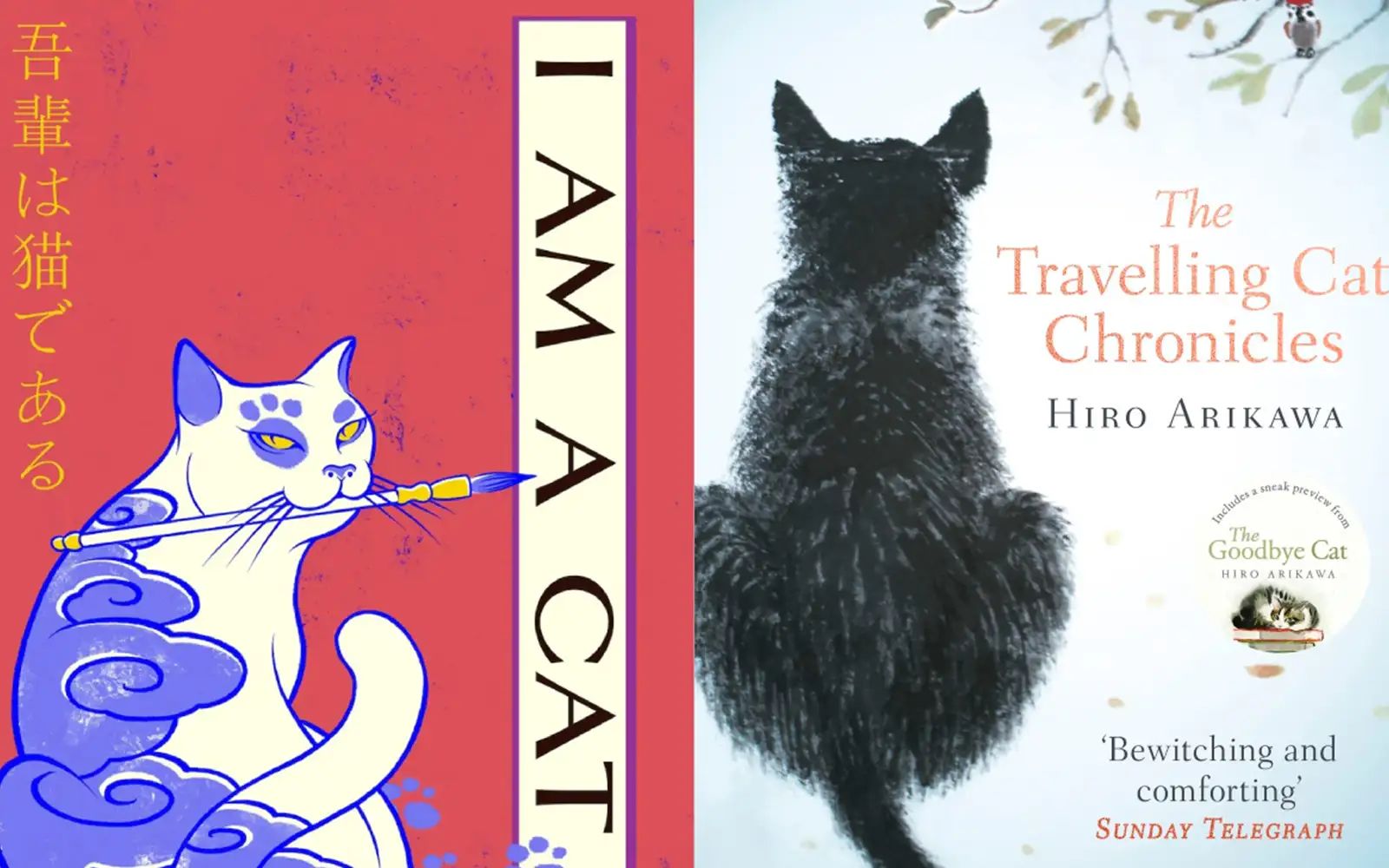
Japan’s love affair with cats stretches far beyond tourism: cats have long occupied a special place in Japanese literature and pop culture, from Natsume Sōseki’s classic novel “I Am a Cat” to the surreal feline appearances scattered throughout Haruki Murakami’s works.
Books such as “The Travelling Cat Chronicles” by Hiro Arikawa and “The Guest Cat” by Takashi Hiraide have also found devoted audiences both in Japan and overseas.
Publishers, recognising the appeal of feline imagery, have increasingly leaned into cat-themed marketing, even placing cats on covers of books with little connection to the animal itself.
In a country where pets now outnumber children under 15, caring for cats has also become serious business. According to the Japan Pet Food Association, households owned about 8.8 million cats in 2025, compared with 6.8 million dogs.
The average cat-owning household reportedly spends close to ¥1.8 million over a cat’s lifetime. That devotion has helped fuel an entire ecosystem surrounding cats, from themed eateries and photography books to pet products and tourism campaigns.
Professor emeritus Katsuhiro Miyamoto of Kansai University recently estimated that cats would generate an economic impact comparable to that of Expo 2025 Osaka.
Cats are believed to have arrived in Japan during the Nara period between the eighth and ninth centuries, likely brought from China to protect Buddhist scriptures from rodents in temples. Over time, they became associated with luck, mystery and protection.
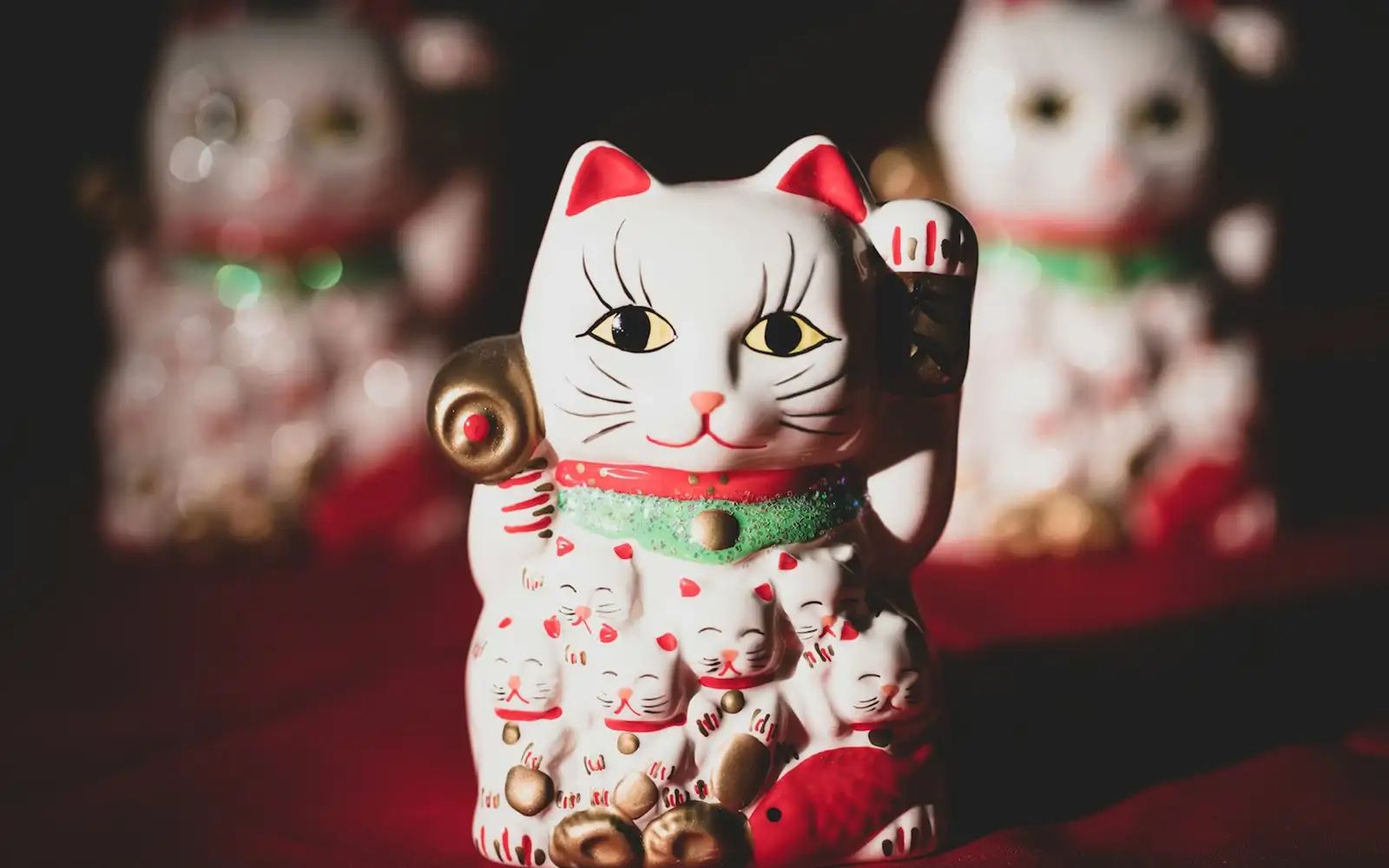
Perhaps the most recognisable symbol of that affection today is the “maneki-neko”, or “beckoning cat” – the figurine seen in restaurants and shops across Japan, one paw raised as if inviting good fortune inside.
Legend traces the figurine’s origins to Tokyo’s Gōtokuji temple, where a feudal lord was supposedly saved from a lightning strike after following a cat beckoning him towards the temple grounds.
These days, the statues remain a common sight across Japan, quietly watching over businesses and homes alike.
Part of the country’s enduring affection for cats may also lie in their temperament. “Cats don’t live for the moment; they live in the moment,” Japan-based author Stephen Mansfield told The Guardian.
“Dwelling neither in the past nor future, their minds are likely a lot less cluttered than ours.”
Japan’s ageing population and declining birth rate may someday reshape the country’s pet culture. But for now, the nation’s felines continue to reign, whether from café counters, temple grounds, or the shelves of souvenir shops.