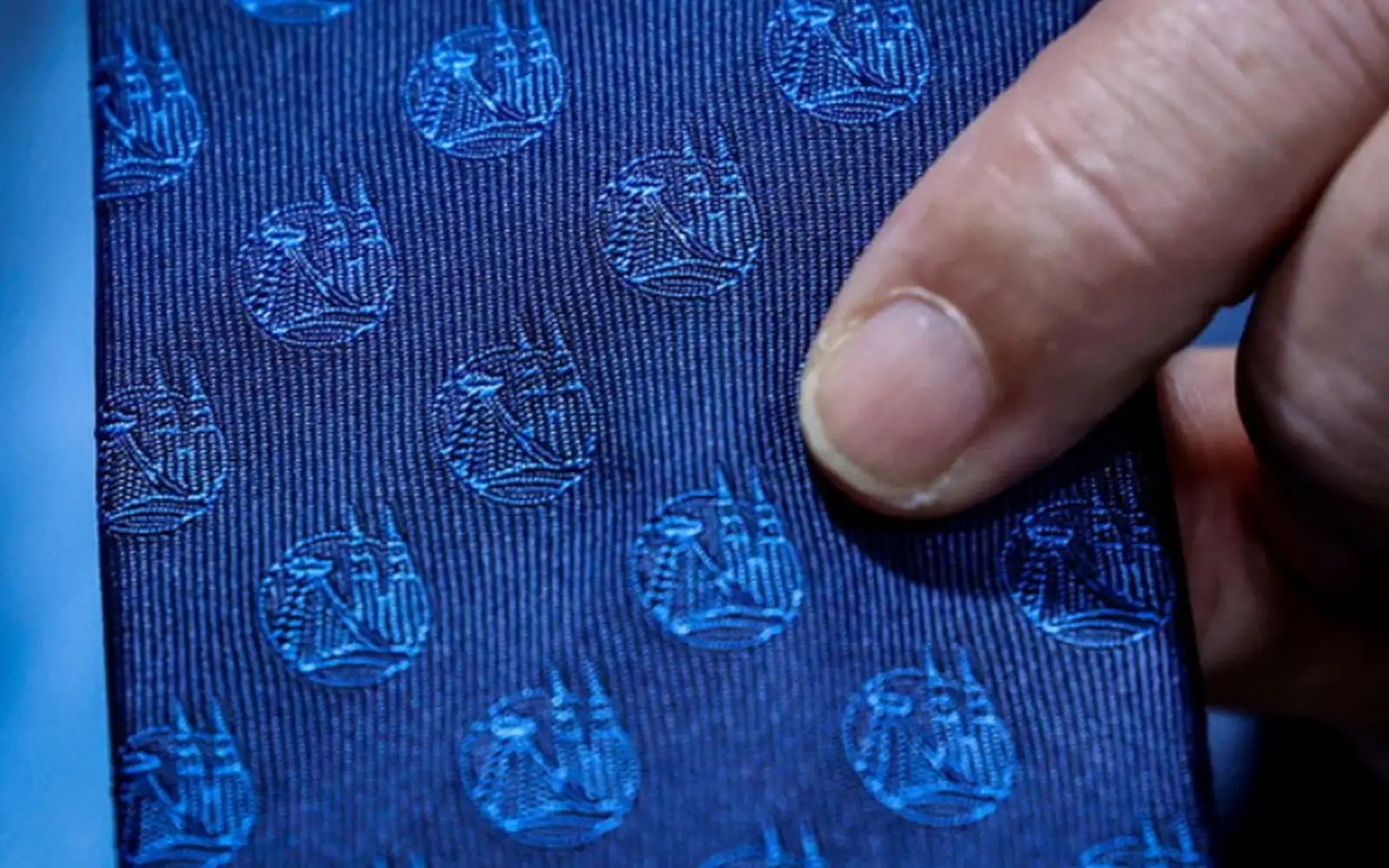
Created to mark the reopening of the Slovak embassy here after 13 years, the limited-edition tie features the silhouettes of Malaysia’s Petronas Twin Towers and Slovakia’s SNP Bridge in Bratislava – landmarks chosen to reflect connection between the nations.
“The SNP Bridge in Bratislava symbolises the idea of building bridges between nations and fostering diplomatic connections,” Slovak ambassador Peter Spisiak told Bernama.
The Petronas Twin Towers, on the other hand, represent innovation, identity and shared aspirations, he said, adding that their iconic skybridge also reflects cooperation and connection.
Only 55 pieces of the necktie were produced worldwide, commemorating the 55th anniversary of diplomatic ties between Malaysia and former Czechoslovakia, which later became Slovakia and the Czech Republic.
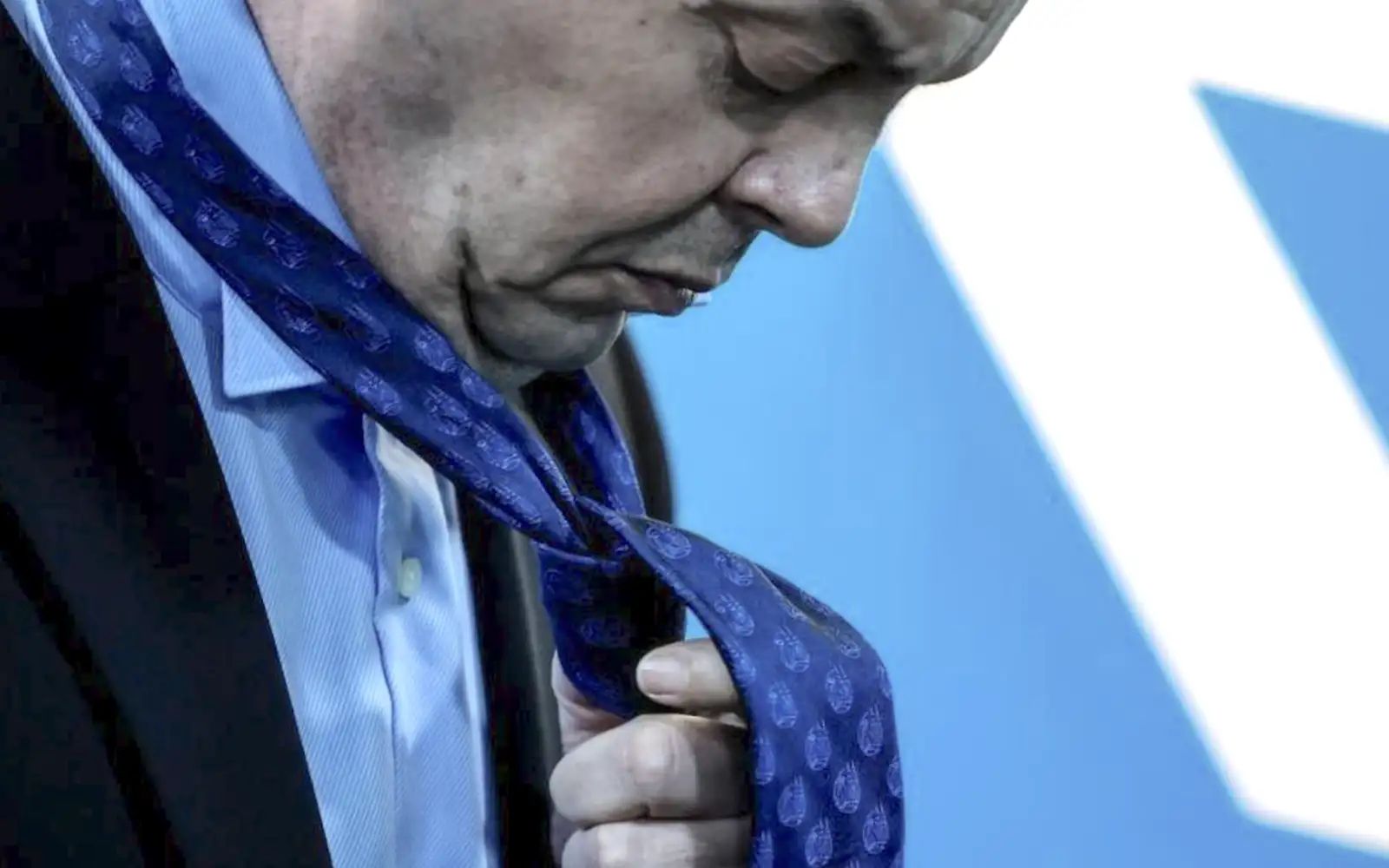
Woven from premium silk in Italy, the ties are presented as diplomatic gifts to distinguished guests, partners and friends of the embassy. Slovak diplomats stationed in Malaysia will also wear them during official functions.
Still, for Spisiak, the necktie carries meaning beyond diplomacy. After spending time in Malaysia, he began noticing intriguing similarities between the two countries, particularly in the way both preserve culture and heritage through art and textiles.
Notably, he is struck by the resemblance between Malaysian batik and “modrotlač”, or Slovak blueprint – a traditional indigo resist-dyeing technique recognised by Unesco as part of the Representative List of the Intangible Cultural Heritage of Humanity.
“I found a profound similarity between your batik and modrotlač because both are rooted in similar methods of creating patterns using indigo dye,” he observed.
That shared artistic influence even found its way into the Slovak embassy’s new logo in KL, which combines elements inspired by Malaysian batik and Slovak textile motifs.
For Spisiak, such discoveries show how countries separated by continents can still find common ground through culture and creativity.
And while diplomacy is often associated with formal meetings and official agreements, it is the smaller details – textiles, architecture, design, everyday objects – that can sometimes create the most lasting impressions.