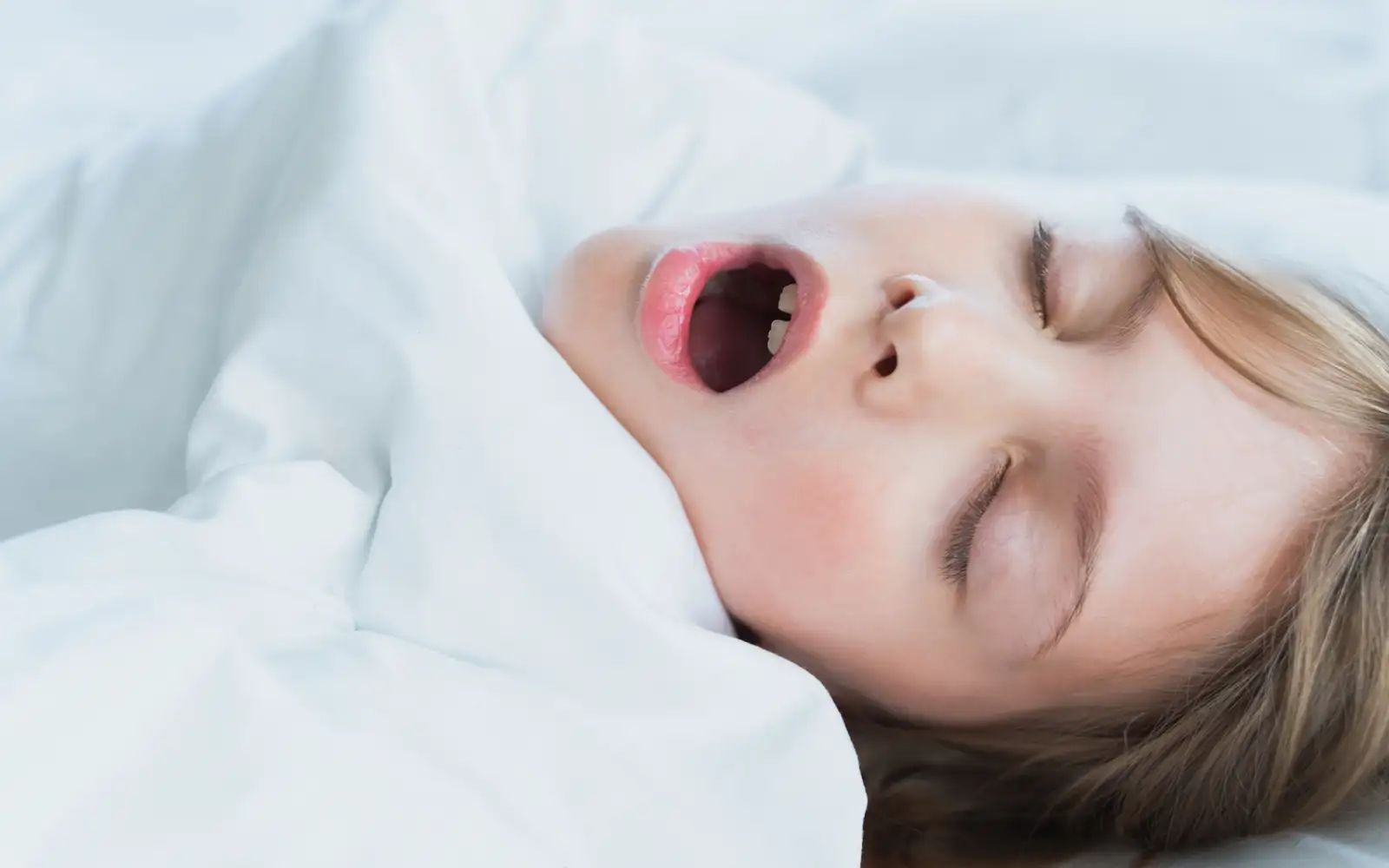
Paediatric respiratory consultant Dr Noor Zehan Abdul Rahim said breathing problems in children can stem from a range of causes. These include asthma, allergic rhinitis and heart-related conditions, as well as sleep-disordered breathing linked to airway issues or enlarged adenoids and tonsils.
Even though the condition can present in different forms and is linked with multiple health complications, awareness of sleep-disordered breathing remains low.
Children aged six to nine are particularly at risk due to changes in airway anatomy during growth, with the likelihood further increased by factors such as obesity, prematurity and asthma.
“The global prevalence of obstructive sleep apnoea in children is about 1-6%. However, in Malaysia, data is still limited, although cases of sleep-disordered breathing are present,” Noor Zehan outlined.
While occasional snoring is common, she cautioned that persistent snoring – occurring three to four nights a week over about three months – may signal a more serious condition that requires medical attention.
Snoring typically occurs when airflow is partially blocked during sleep, which can reduce oxygen supply to the brain and disrupt sleep cycles. Over time, this may affect a child’s development, including growth hormone secretion, metabolism and learning.
Untreated cases can also have physical consequences. “They may develop what is described as adenoidal facies, which is a long facial structure that may shift how the teeth align,” she explained.
As such, parents are advised to seek medical advice if their child shows signs such as persistent snoring, breathing difficulties during sleep, frequent waking, or daytime fatigue.
Treatment depends on the underlying cause. This may involve managing conditions such as allergic rhinitis or asthma, or referral to an ear, nose and throat (ENT) specialist for further evaluation.
“If it is due to allergic rhinitis, it needs to be treated. If they have enlarged tonsils or adenoids, they should see an ENT specialist to determine whether removal is necessary.
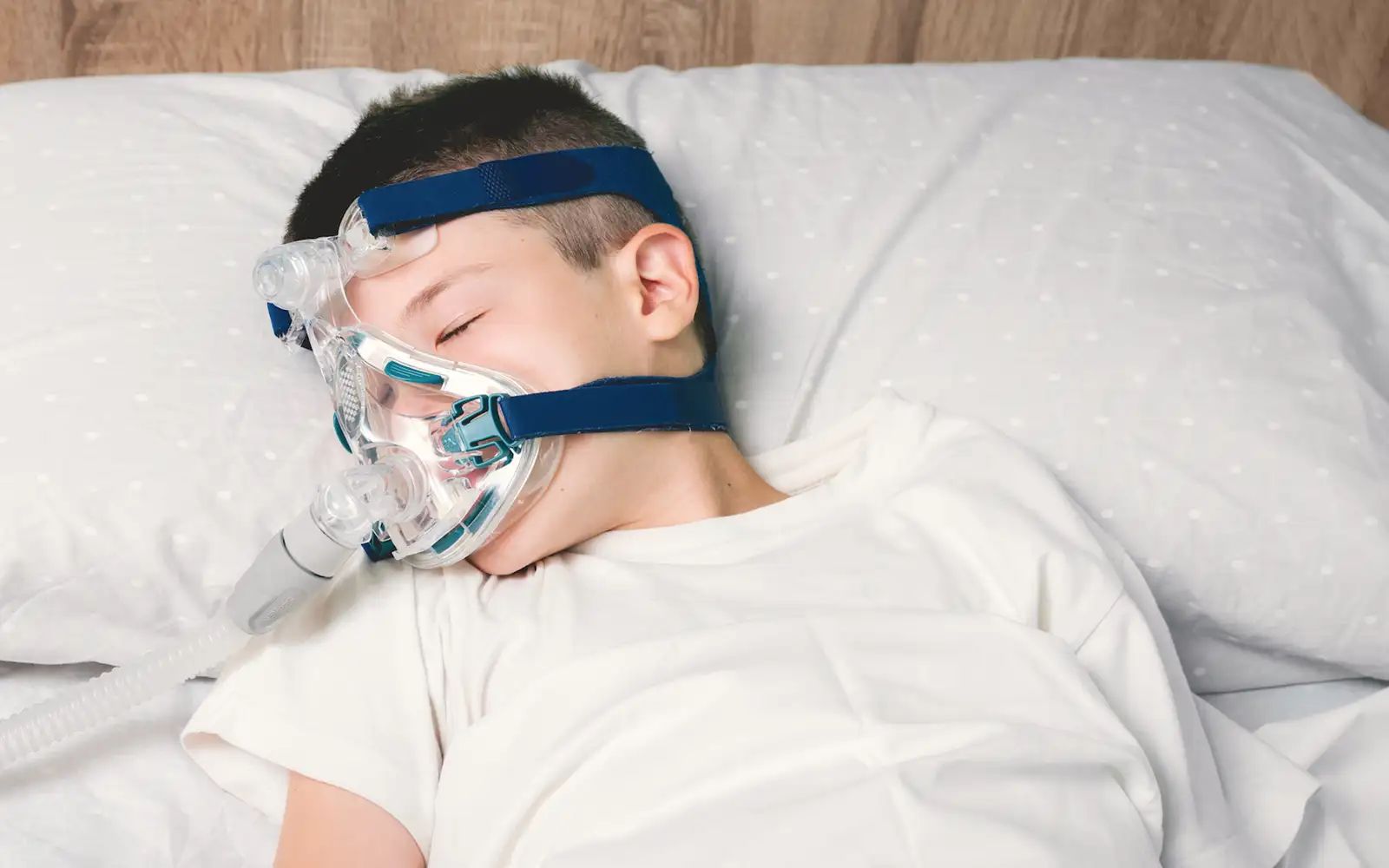
“If they are affected by conditions such as obesity, they may require additional support at night, such as CPAP or BiPAP machines,” Noor Zehan said.
Beyond treatment, she emphasised the importance of a good sleep environment, recommending proper ventilation, a clutter-free room, and a comfortable temperature of around 25°C.
She also called for greater public awareness and early intervention, noting that good sleep hygiene among children and teenagers is key to overall health and daily functioning.