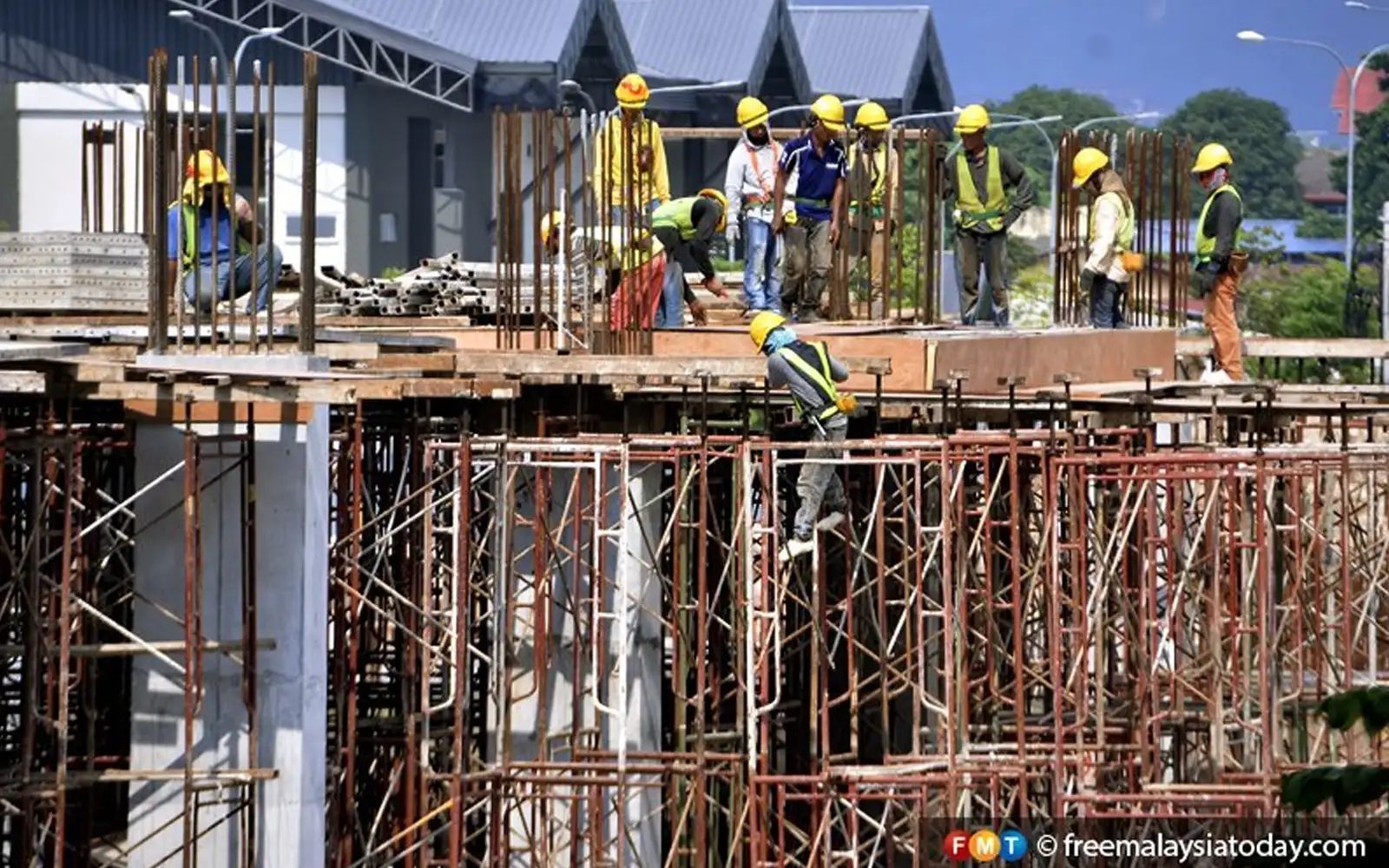
This picture has stuck for decades, shaping how the industry is viewed, especially by young people who often associate it with “3D jobs” – dangerous, dirty and difficult.
But the industry is changing. Today’s construction sites are no longer defined by physical labour alone: drones map terrain, digital models guide entire projects, and data is used to monitor progress in real time.
According to the Master Builders Association Malaysia (MBAM), this shift is already happening, even if it is not always visible.
“When people look at construction sites, they assume local youths are not involved,” said its secretary-general, Astaman Abdul Aziz. “In reality, young Malaysians are already working in areas like project management and drone operations.”
Rather than a lack of interest, he said, the issue is perception. Young people, especially Gen Z, are not necessarily avoiding construction – they are gravitating towards roles that feel more aligned with technology and innovation.
The catch is that these roles exist but are not always clearly visible.
Educational gap
The pipeline feeding into the industry has its own challenges. Astaman pointed out that Malaysia’s technical and vocational education and training (TVET) system has struggled to keep pace with how quickly the sector is evolving.
While construction companies are adopting tools like AI, drones and building information modelling, training programmes aren’t always keeping up.
“This gap means graduates are not ‘tech ready’. We don’t just need workers; we need people who can operate modern systems,” he said.
That gap between expectation and readiness is something educators are also seeing. Mohamad Sattar Rasul, who has worked extensively in technical education, said many students simply do not get enough exposure to how the industry actually works.
Without that exposure, construction remains an abstract idea – and often an unappealing one.
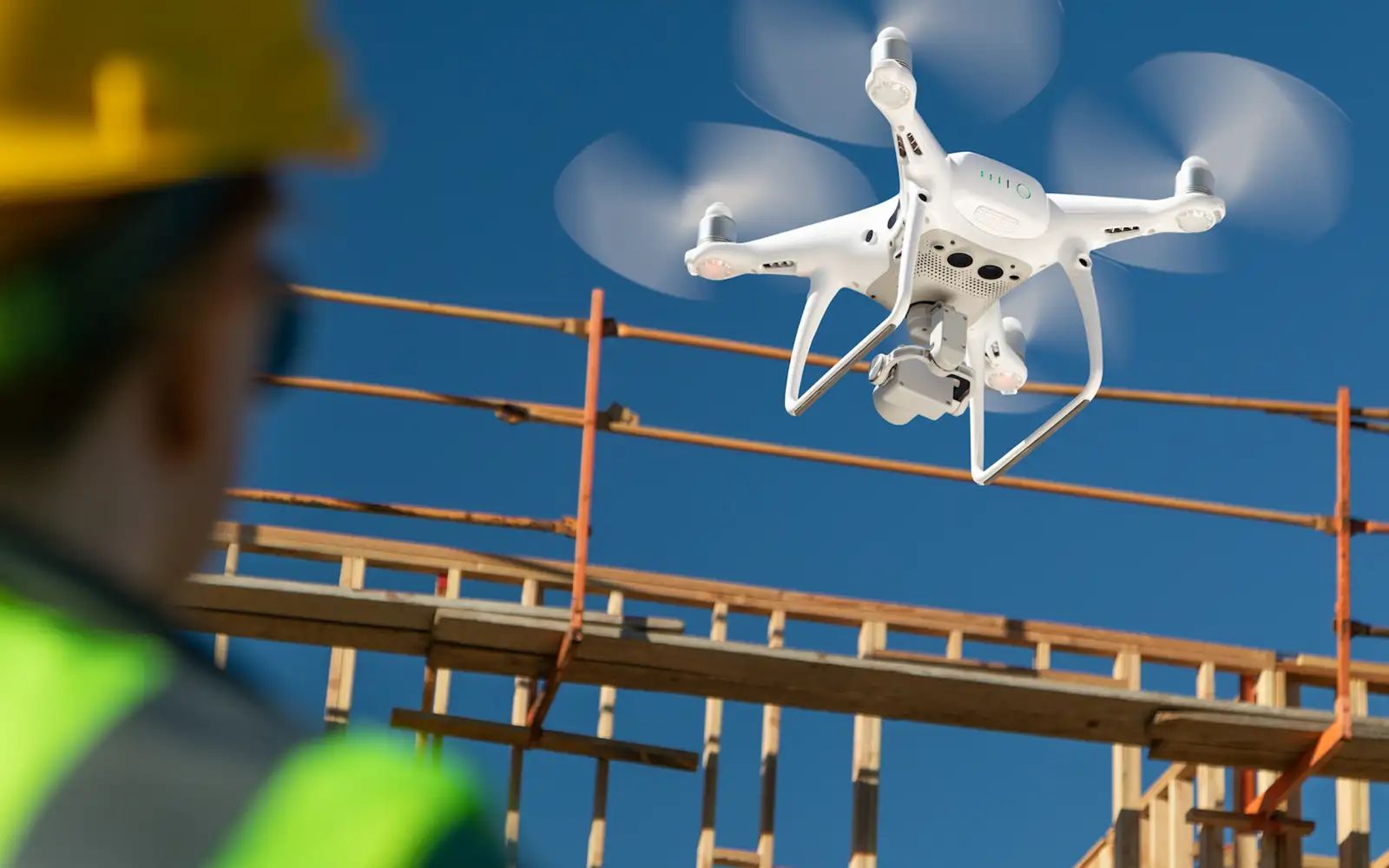
“Students lack confidence because they don’t see how their skills apply in real industry settings,” he said, noting that stronger collaboration between universities and companies could make a significant difference.
Industry bodies agree that early exposure matters. The Institution of Engineers Malaysia has highlighted how career perceptions are often formed during school years, when students have limited interaction with real-world engineering or construction environments.
At the same time, many young people are drawn to newer career paths that promise faster income, particularly in the digital and gig economy.
The irony is that construction itself is becoming increasingly digital, and remains a major part of the country’s economic engine. The sector grew by 12.5% last year, with the value of work reaching RM178.6 billion.
For those with the right skills, the rewards can be competitive, too. “In reality, skilled workers can earn over RM4,000 per month,” Sattar highlighted, adding that the bigger hurdle is not pay, but confidence and readiness.
So, the answer lies not just in creating opportunities but telling a different story – one that reflects what construction has become. It is now a space where engineering meets technology, and where digital skills are just as important as physical ones.