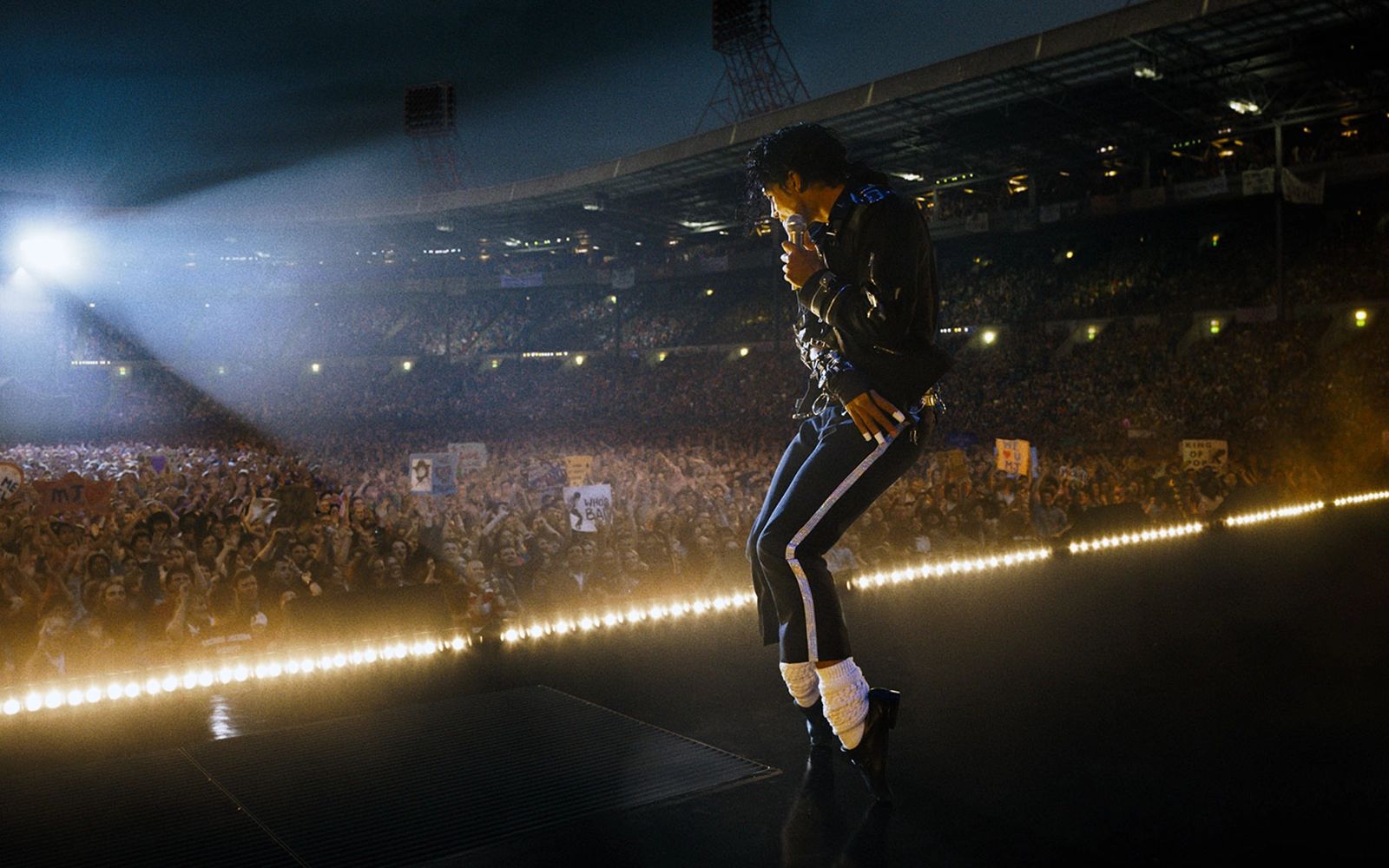
“Michael”, directed by Antoine Fuqua, sets out to capture not just the King of Pop’s music, but the man behind it – tracing his journey from a gifted child in Gary, Indiana, to a global icon.
At the centre of it all is Jaafar Jackson, the late singer’s 29-year-old nephew, making his acting debut.
The film opens in 1966 in Gary, Indiana, introducing a young, timid Jackson (played by Juliano Valdi).
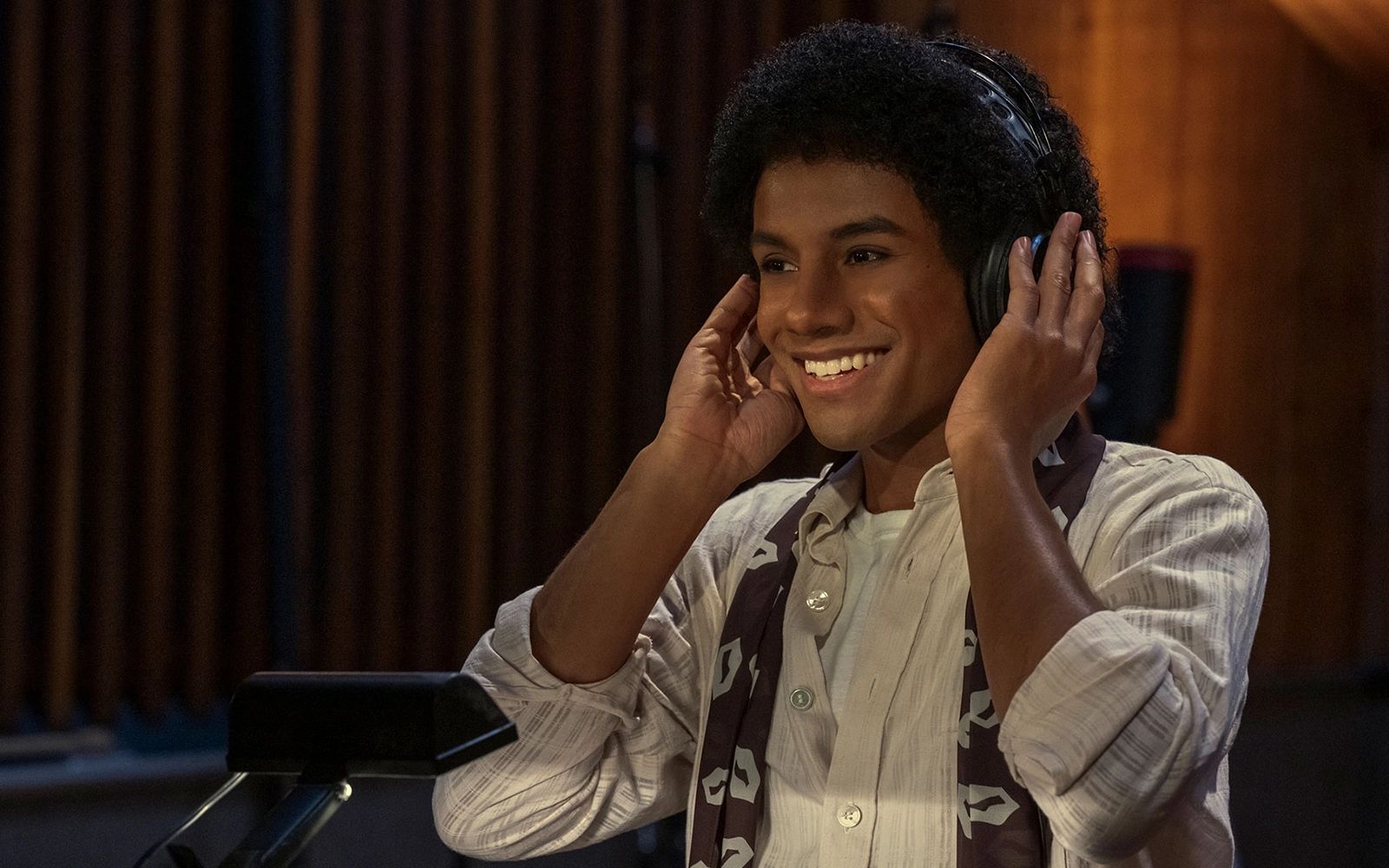
These early scenes are among the film’s most charming – whether it’s Michael struggling to stay still in a recording booth or instinctively swaying during a living room rehearsal. It’s here that “Michael” feels most alive, capturing the raw, almost instinctive connection he had with music from a young age.
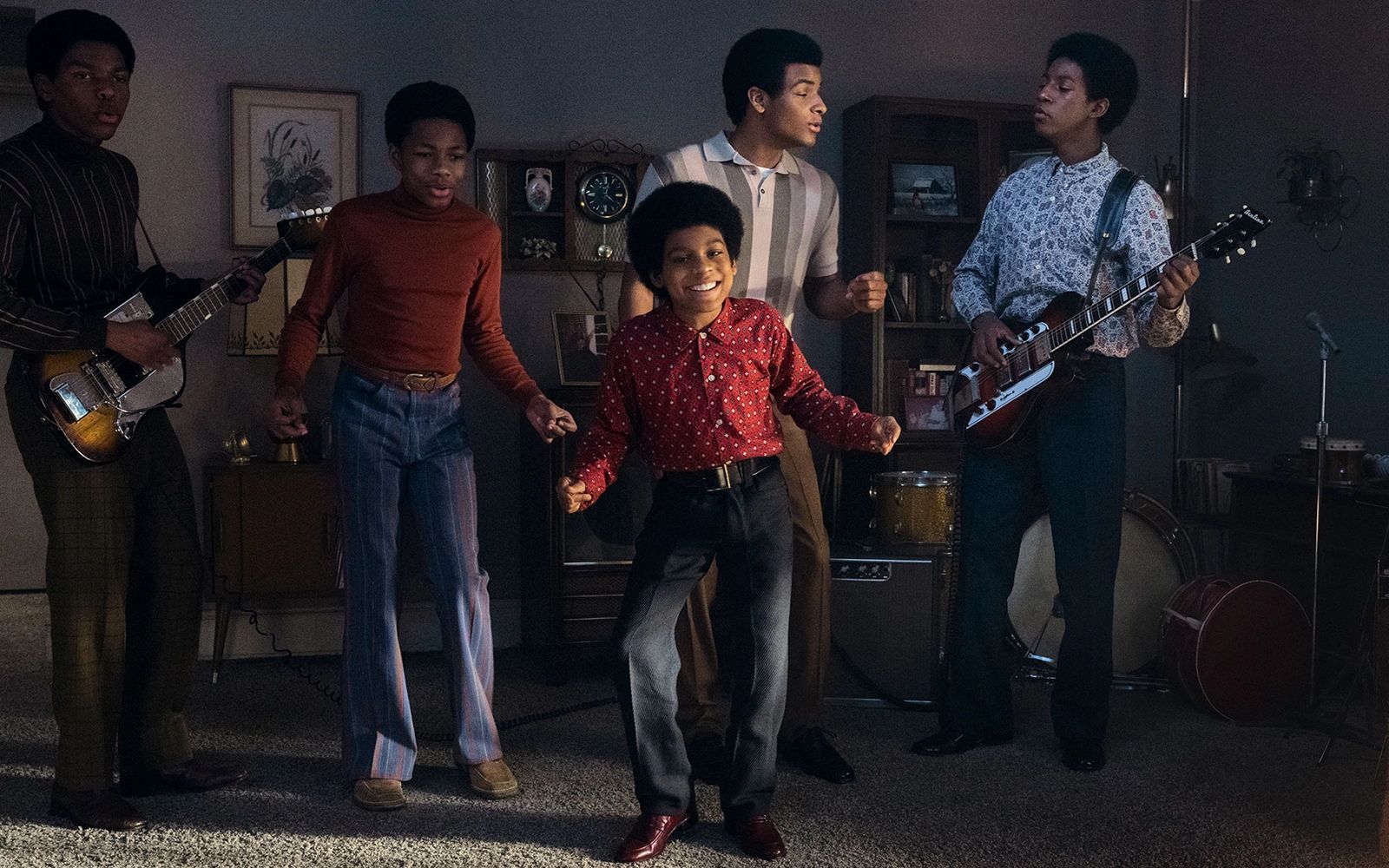
From there, the story leans heavily into the rise of the Jackson 5. In fact, much of the first half feels less like “Michael” and more like a Jackson family chronicle – charting their journey from small gigs to major stages and eventual discovery.
The second half of the film follows Michael’s breakaway: firing his father as manager and stepping into a solo career.
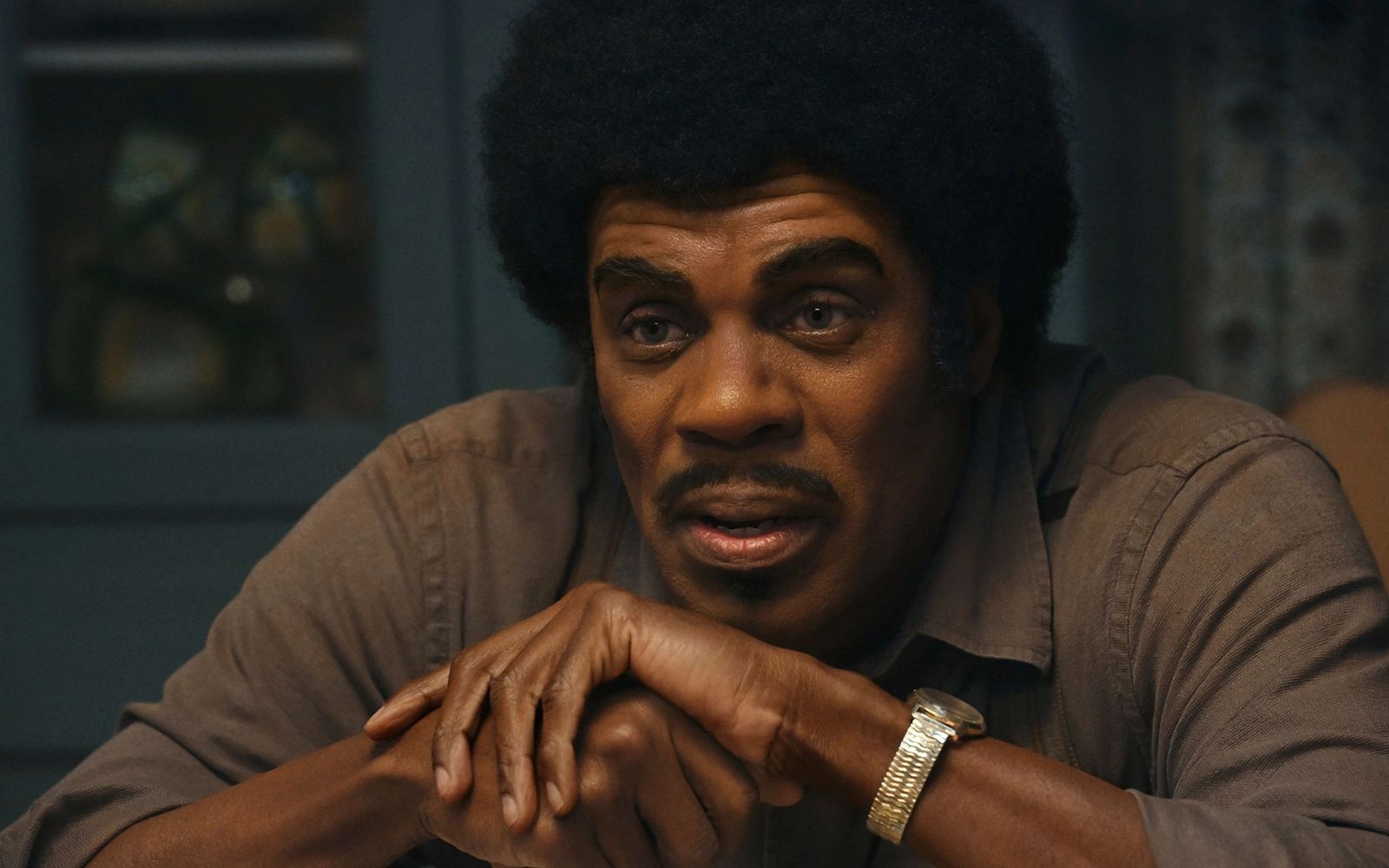
This strong focus on family dynamics is clear throughout. Joe Jackson, played with commanding intensity by Colman Domingo, is portrayed as both the driving force behind the group’s success and the source of Jackson’s trauma.
Scenes of abuse, particularly those involving a young Jackson crying in a corner, are difficult to watch, though they are often touched on rather than deeply explored.
The film also spotlights figures like Bill Bray, Jackson’s longtime head of security, and John Branca (Miles Teller), his lawyer and manager.
Given that members of the Jackson family are executive producers, the portrayal of these relationships can feel somewhat selective. While Joe is clearly villainised, tensions with Jackson’s brothers are largely absent, despite well-documented strains in real life.
The film also highlights Michael’s affection for animals, from his pet chimpanzee Bubbles to giraffes, llamas, and more, once again portraying him with a childlike quality.
Where “Michael” truly comes alive, however, is on stage.
Dancing like Jackson is no easy feat, but Jaafar makes it look instinctive. Whether it’s the electrifying swagger of “Billie Jean”, “Beat It”, or earlier hits like “Human Nature” and “Workin’ Day and Night”, the performance sequences are easily the film’s strongest asset.
From his speaking voice to his body language, Jaafar captures Jackson’s unmistakable presence with striking precision.
There are also glimpses of Jackson’s creative genius – his meticulous approach to choreography, music composition, and his relentless drive to be the best.
For all its spectacle, the film often feels surface-level. Jackson is portrayed in near saint-like fashion – scenes of him visiting children in hospitals or signing autographs are repetitive.
More notably, the film shies away from emotional depth. Apart from glimpses of his childhood trauma, there’s little sense of vulnerability or internal conflict.
Even culturally significant moments – such as his breakthrough on MTV as a Black artist – are given only brief attention, despite their historical weight.
As a result, the film plays less like a probing biopic and more like a carefully curated tribute.
Viewers expecting a comprehensive look at Jackson’s life, including the controversies and complexities, may find themselves underwhelmed. The story feels incomplete, (SPOILER) though a closing note hinting that “the story continues” suggests a sequel may be in the works.
Still, even as it builds towards its finale, the film struggles to leave a lasting emotional impact. And if you’re a true fan, much of what you see in the film is, well, fairly basic knowledge.
Ironically, it’s the closing performance of “Beat It” that delivers the most punch.
“Michael” is, ultimately, a visually engaging showcase of the artiste’s music and moves. But for a figure whose life was as layered as it was legendary, it rarely digs beneath the surface.
If you’re looking to relive the hits on the big screen, there’s plenty to enjoy. But if you’re hoping to truly understand the man behind them, this performance feels like it’s missing its soul.
‘Michael’ is now screening in cinemas nationwide.