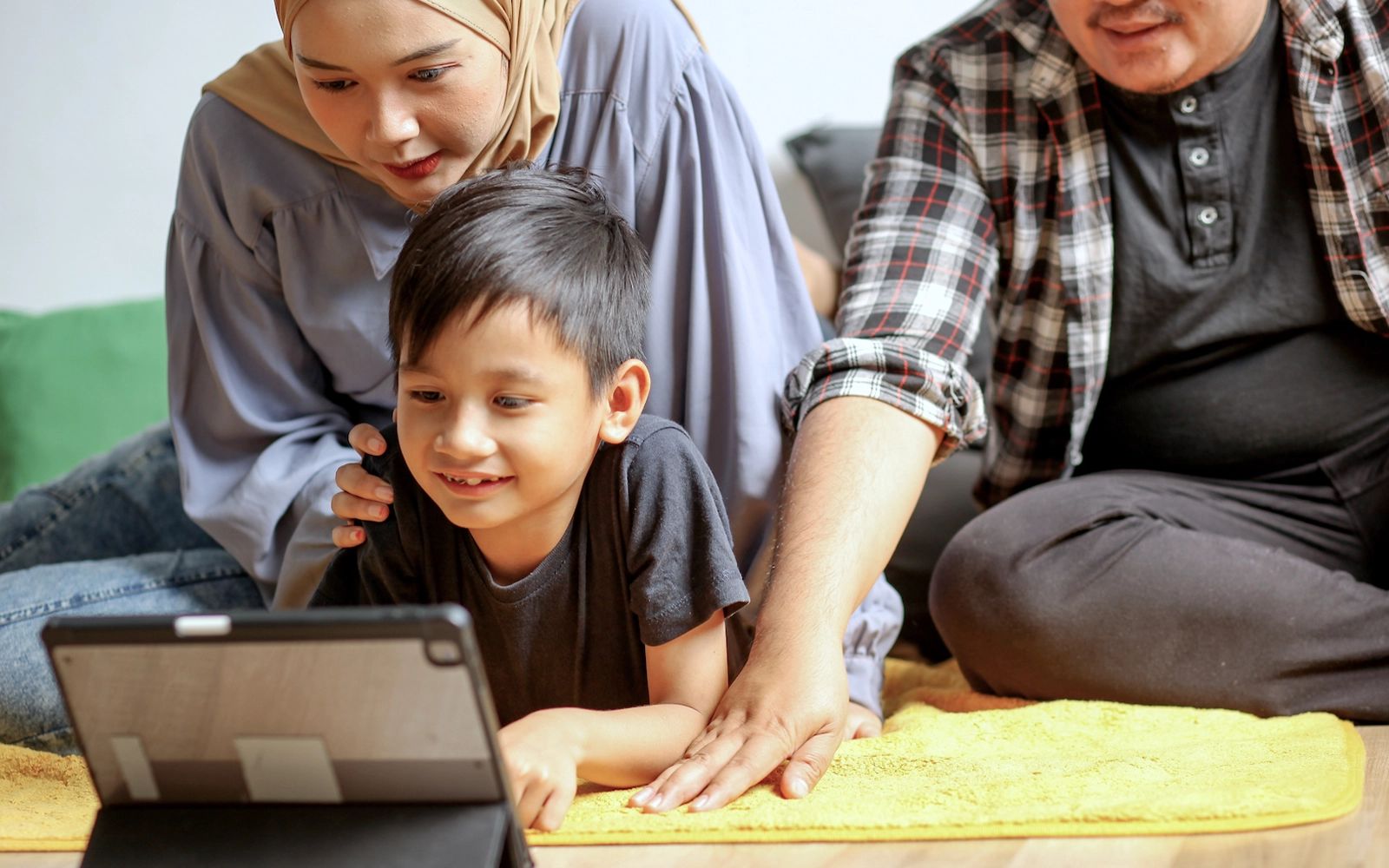
Rather than relying solely on restrictions, experts say the bigger opportunity lies in how families engage with the digital world together.
For counselling psychologist Mohamed Fadzil Che Din, the conversation goes beyond filters and screen time limits. Used thoughtfully, technology can become a shared space for learning and connection, rather than a “digital babysitter”.
“It’s not just about controlling access, it’s about guiding children to understand what they see and how they respond to it,” he told Bernama.
Psychologically speaking, children naturally form impressions based on their online experiences – both good and bad. Without guidance, those impressions can shape their behaviour in unintended ways.
That is why, he said, parental involvement matters just as much as technical safeguards.
“Protection comes from having the right controls in place and being actively involved in a child’s digital life,” he explained, noting that such involvement plays a role in shaping a child’s character over time.
He said beyond learning how to navigate apps and platforms, children need support in developing confidence, judgement and motivation: skills that will help them make better decisions both online and offline.
Yet, at the same time, social media itself has become difficult to ignore. Platforms like Instagram, TikTok and WhatsApp are no longer just for entertainment – they also serve as spaces for learning, communication, and exposure to new ideas.
For today’s children, growing up online is part of growing up, full stop. This makes guidance, rather than avoidance, all the more important.
For Amira Azman, a mother of two, that balance is something she navigates every day. She welcomes efforts to introduce age limits but believes responsibility ultimately rests with parents.
“A filter can block a website, but it cannot teach a child how to handle a predator who uses normal language,” she said.
There have been moments when her children encountered unsuitable content – situations she chose to address through conversation, alongside adjusting device settings.
But it is not always easy. “By the time I understand one app, they have moved to a new platform I have never heard of,” she added. “There is also immense peer pressure for them to stay connected 24/7.”
This reality has pushed her to rethink her approach: instead of trying to monitor everything, she focuses on staying involved by talking, listening, and helping her children make sense of what they encounter online.
Experts stress that this shift from monitoring to mentoring is key. While policies and regulations can provide a useful safety net, they are only part of a broader system of protection.
Schools, platforms and communities all have a role to play – and at the centre of it is the relationship between parent and child.