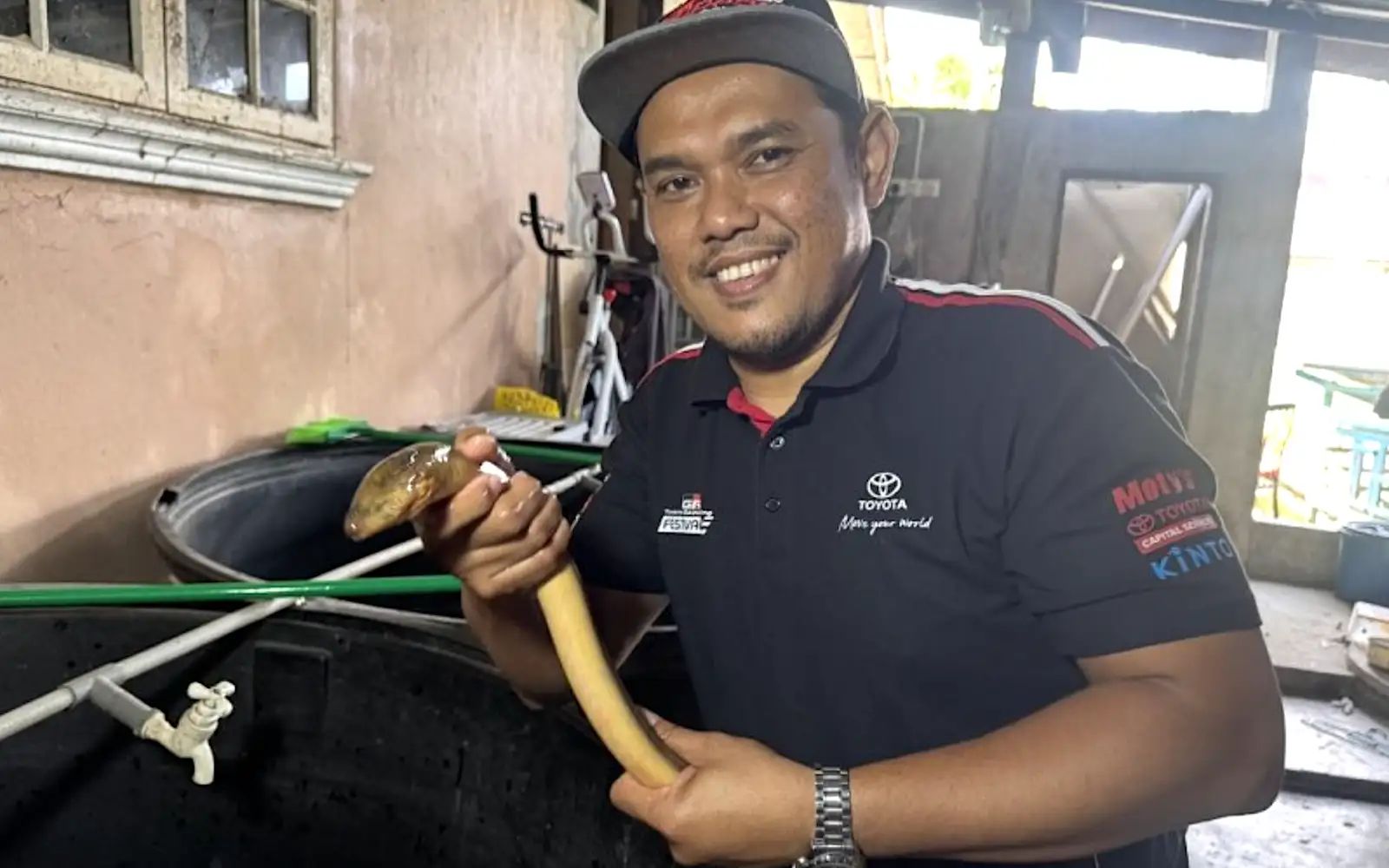
For many, that might have been the end of the story. For two friends in Kelantan, it was just the beginning.
Muhammad Azman Abd Rashid @ Ramli and Muhamad Hairi Ishak pressed on, learning through setbacks and trial and error. Five years later, they now run a thriving eel farm on a 0.4ha site in Kampung Banggol Petani here.
The turning point, Azman noted, came from those early failures.
“I’ve loved eels since I was a child. After school, I used to follow villagers to catch them in the padi fields. Back then it was just for fun, but it made me curious,” he said.
That curiosity eventually turned into an idea. After coming across stories of successful eel farming overseas, he decided to give it a try.
“In the early stages, I failed because I didn’t have the knowledge. I was just experimenting,” he told Bernama.
Determined to do better, he travelled to Bangkok in 2021 to attend a course on eel farming, where he learnt systematic methods of breeding, care, and disease management.
Armed with new knowledge, he shifted from farming wild eels to hybrid species, which grow faster and are easier to manage.
While wild eels can take up to three years to reach market size, hybrid eels typically take between eight and 12 months.
“After the course, I finally understood the proper techniques and became more serious about the business,” he added.
The farm now breeds hybrid eels using broodstock imported from Vietnam, chosen for their growth rate and quality. Their meat, Azman noted, is softer and cleaner compared with wild eels, which are often found in padi fields or canals.
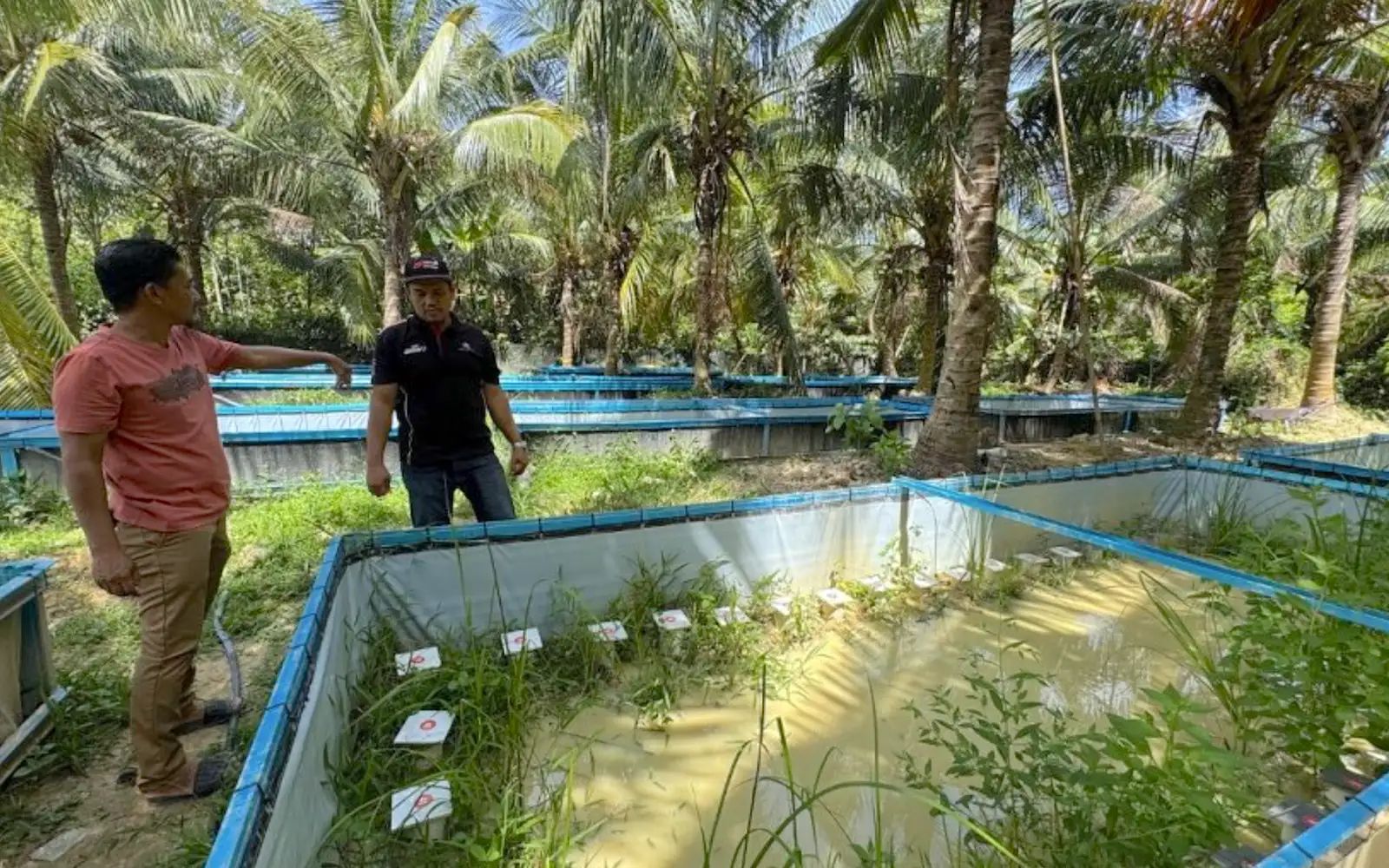
At the farm, rows of canvas ponds are set up to mimic the eels’ natural habitat, complete with muddy soil, water and grass. Pipes placed within the ponds act as nesting spaces, where breeding takes place.
Once the eggs are laid, they are collected and transferred into hatching machines to speed up the process. The fry, or juvenile eels, are then moved into protected tanks until they are large enough to be sold or raised further.
Today, the farm houses about 10,000 eel fry and around 4,000 mature eels used for breeding.
Azman said the eels are sold mainly to wholesalers and restaurants, with prices typically ranging between RM30 and RM35 per kg, depending on the season. He also supplies eel fry to other farmers looking to venture into the business.
For Hairi, success comes down to discipline. Eel farming, he said, requires close attention to water quality, as the species is prone to infections and disease.
“If the fry are fed three times a day, the water needs to be changed three times as well. If not, they can easily fall sick,” he said.
The two friends believe eel farming has strong long-term potential, especially as an alternative source of income for rural communities.