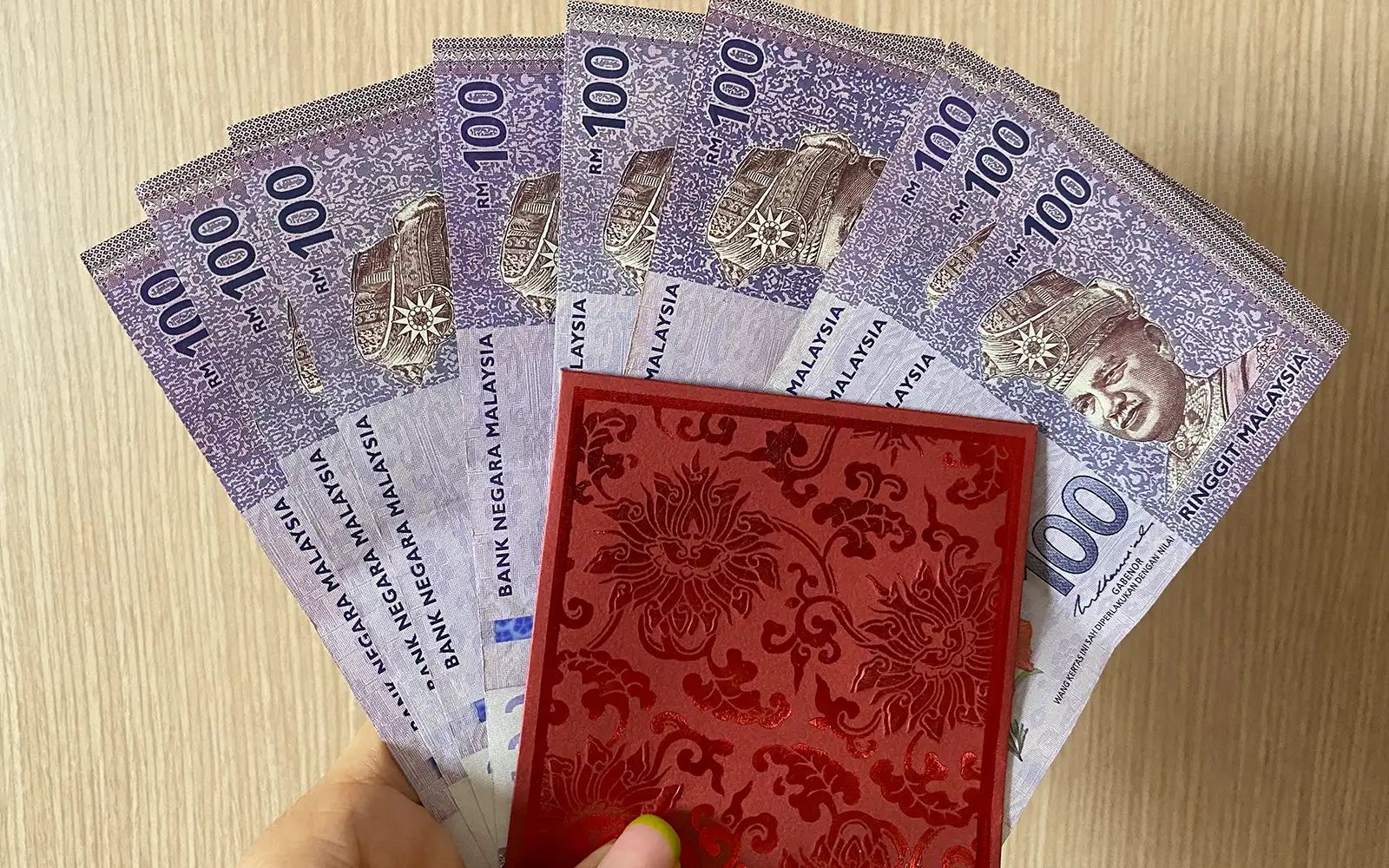
Red ang pows mark the Chinese New Year, whereas green ang pows mark Hari Raya Aidilfitri, each carrying blessings, goodwill, and a rich tapestry of traditional meaning.
While both are meant to bless loved ones, each comes with its own unique symbols and customs.
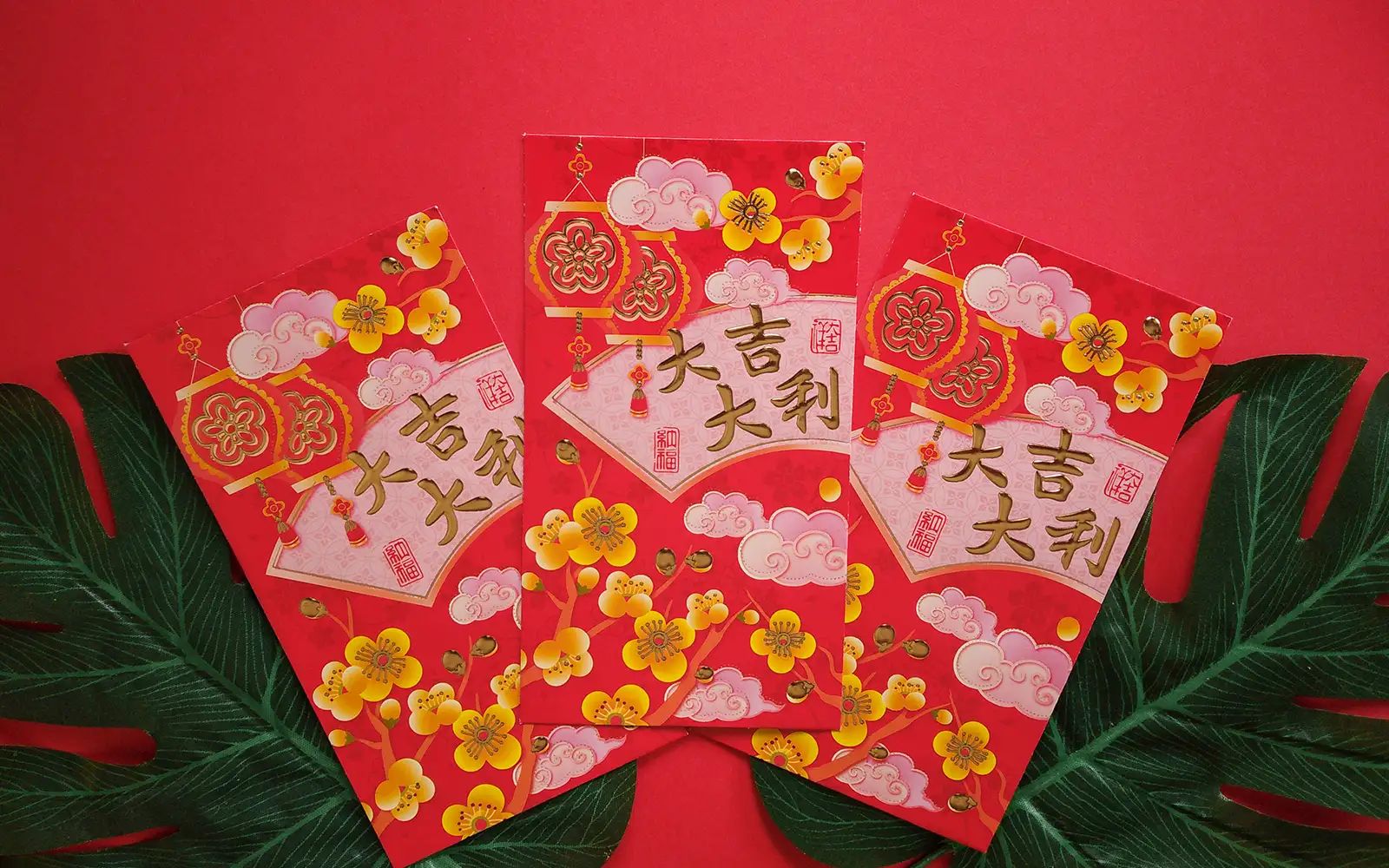
Red ang pow
In Chinese, red envelopes are ya sui qian (压岁钱), which means “money to suppress Sui, the demon”. The tradition symbolises a wish for the recipient to enjoy a safe, peaceful year ahead.
It is widely believed that the amount of money given in a red packet should be an even number, as odd numbers are associated with funerals.
This goes without saying: avoid the number 4(四), as the pronunciation of it closely resembles the word “death”(死).

Green ang pow
Green ang pows are commonly used for Hari Raya Aidilfitri, as the colour symbolises Islam, peace, and harmony. Rooted in Islamic teachings on charity, “duit raya” reflects the spirit of giving.
It wasn’t until the 1980s, amid Malaysia’s modernisation, that the form of banknotes in green ang pows began. It is customary for Muslims to give “duit raya” to children and younger relatives to share blessings and encourage generosity.
The tradition also reflects on strengthening family bonds and the spirit of sharing during the festive season.
Uses of red ang pows and green ang pows
Red ang pows are customarily given during occasions beyond Chinese New Year, such as weddings.
Green ang pows, on the other hand, are usually used on traditional occasions such as Hari Raya Aidilfitri and at times, Khatan (circumcision) ceremonies.
A matter of etiquette
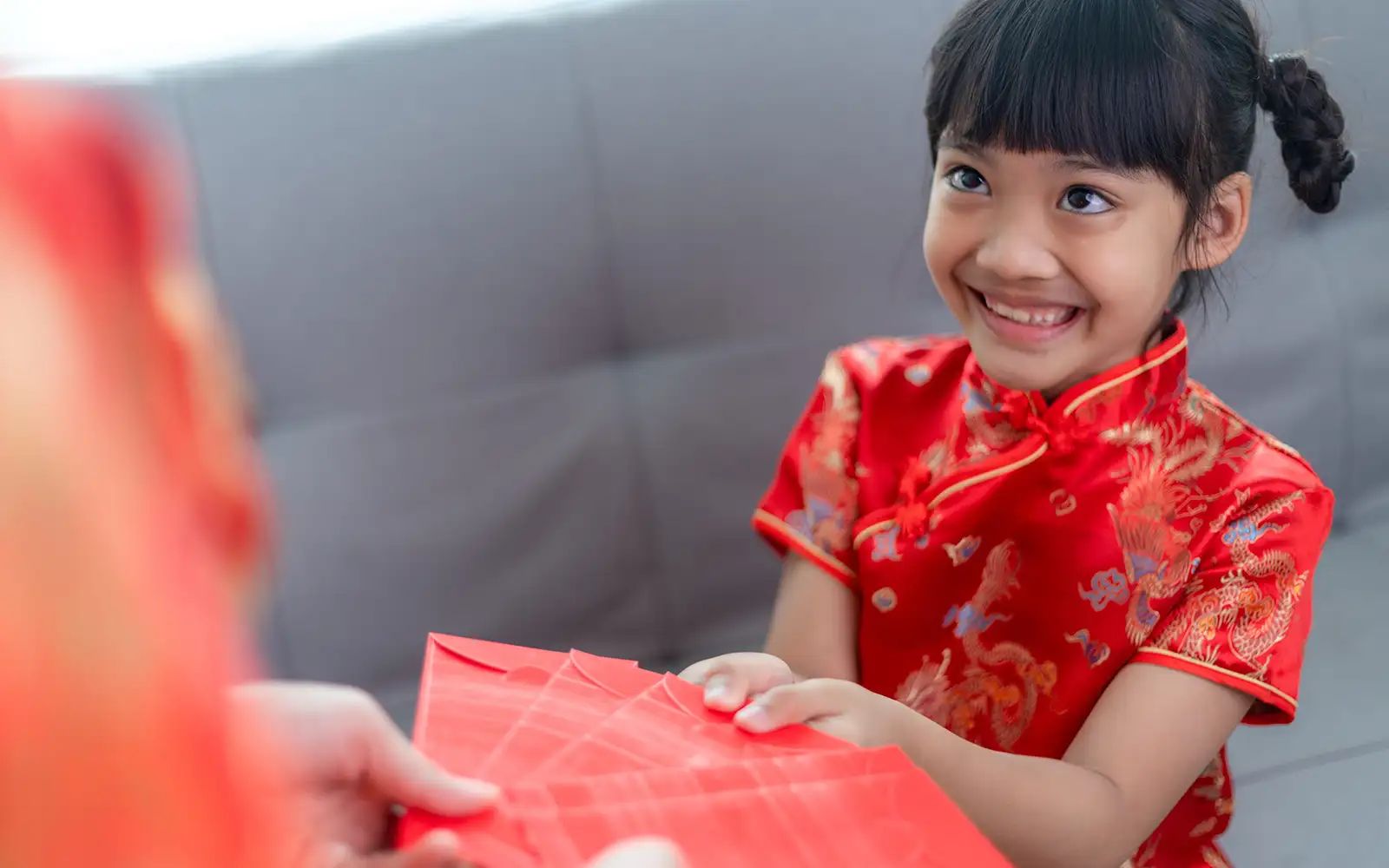
In Chinese tradition, both the giver and receiver must present and receive the ang pow with both hands as a sign of courtesy and respect.
When giving the ang pow, be sure to offer it along with auspicious wishes and blessings such as “恭喜发财” (Gong Xi Fa Cai) or “新年快乐” (Xin Nian Kuai Le).
In some families, ang pows are still given to the unmarried, no matter how old they are.
Whereas in Muslim practice, when offering green ang pows, it should be accompanied with a sincere smile and kind words (or Raya greetings).
Muslims often exchange the greeting “Selamat Hari Raya, maaf zahir dan batin” during Hari Raya Aidilfitri, which means the act of seeking forgiveness. Seeking forgiveness allows one to begin anew, embodying the essence of Hari Raya Aidilfitri.
The difference between the communities is that for certain Muslim families, “duit raya” is no longer given once the recipient starts working.
Ang pows may differ in colour, but they unite Malaysians in tradition, generosity and celebration.
Understanding the meanings allows people to enrich the way they celebrate these festivities as a multicultural nation.