
It is a familiar saying in Malaysia, often repeated casually, but one that feels harder to ignore this year as Chinese New Year and Ramadan coincide.
It is an idea many Malaysians will recognise from “Sepet”, Yasmin Ahmad’s 2005 film about a teenage romance between a Chinese boy and a Malay girl — played by Ng Choo Seong and Sharifah Amani respectively.
For Sharifah, the proverb has always captured what “Sepet” was really all about.
“If you don’t know, it means you cannot love. It was that understanding that brought Jason and Orked to fall in love,” she told FMT.

Set in Ipoh, the relationship begins simply. Orked visits Jason’s VCD stall looking for films, while Jason, a pirated VCD seller who reads poetry, is drawn to her openness and curiosity.
Their connection takes shape through conversations about movies and music, while race, family and class remain part of the world they move through.
Those pressures, Yasmin understood, were part of everyday life in Malaysia.
How Yasmin Ahmad brought Malaysians together
Such themes were characteristic of Yasmin’s work, whether in film or in the advertisements she made as executive creative director at Leo Burnett.
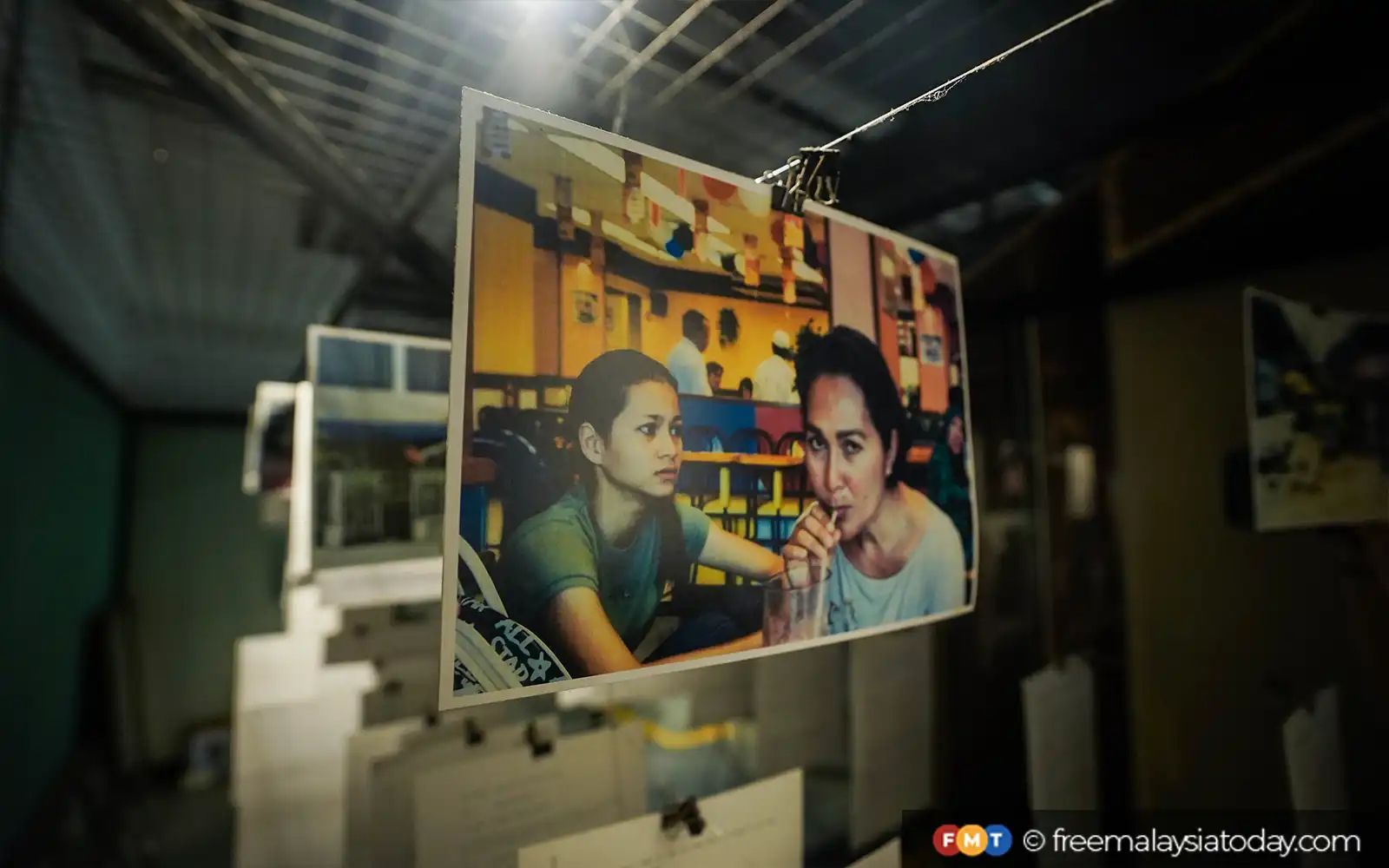
In “Sepet”, she paid attention to everyday details — the way people switch languages, the offhand comments about race and class, and the pride and disappointment within families.
Ng said Yasmin’s strength lay not just in addressing sensitive subjects, but in how she invited audiences to lower their defences.
“She knew how to tell these stories well. These topics can be sensitive, but she knew how to get those ideas across, especially with the use of humour,” he told FMT.
Yasmin died in 2009 after suffering a stroke and brain haemorrhage. She was 51.
Ng said her work helped widen Malaysians’ understanding of communities different from their own.
“When we don’t know something, we tend to become defensive or hostile. What she did was open that up. She gave people space to form new ideas about things they were unfamiliar with,” he said.
For many Malaysians, that is why “Sepet” remains an enduring reference point when unity is discussed.
Sharifah said this was what Yasmin had hoped for when she made the film … to gently shift how people felt.
“She told me that if even one person in the cinema who held prejudiced views could leave thinking, ‘I wish (Jason and Orked) had ended up together’, then the film would have done what it set out to do,” she said.

Azraai Azmi, who worked under Yasmin at Leo Burnett, echoed this sentiment, describing “Sepet” as a story about two worlds learning to understand one another.
“The biggest value Malaysians should take away from this movie is empathy. (The movie) doesn’t ask you to agree. It just asks you to feel.
“And once you feel something, you start to open up. She always aimed for the heart first. If the story felt honest, people would feel it too,” he said.
“Sepet” won major recognition at home and abroad, including Best Film at the Malaysian Film Festival and an award at the Tokyo International Film Festival.
But its real staying power has always been more intimate. It looks like Malaysia and it sounds like Malaysia.
As Malaysians gather with family and friends this festive season, “Sepet” is a reminder that connection often begins in small, ordinary moments — with curiosity, patience, and a willingness to understand.