As celebrations take place across the world, the Chinese New Year – with its traditions dating back thousands of years – is one of the most widely commemorated in the world, rivalled only by Christmas.
Given that “8” is considered a lucky number in Chinese culture, here are eight random tidbits about this vibrant festive season you might or might not already know.
1. Welcoming spring worldwide
Also known as the Spring Festival, Chinese New Year marks the start of spring as observed in the traditional lunisolar calendar.
The Spring Festival is celebrated for 15 days in addition to the eve of the New Year – each day with its own traditional meaning and festive activities – culminating with the Lantern Festival on day 15.
Out of the world’s population of 7.76 billion, more than 2 billion celebrate CNY in some way, even if it’s just a national acknowledgment. In countries such as Brunei, Indonesia, Japan, Singapore, Vietnam, South Korea and, of course, Malaysia, it is a public holiday.
Meanwhile, more and more western countries have been celebrating it in recent years, with festive events in New York, London, Vancouver, and Sydney.
2. History and harvest gods
In China, the New Year was traditionally a time for citizens to pray to the gods to ensure their harvest would be fruitful.
The first mention of celebrating at the start of a new year was recorded during the Han dynasty (202 BC-220 AD). The Eastern Han agronomist Cui Shi wrote: “The starting day of the first month is called Zheng Ri. I bring my wife and children to worship ancestors and commemorate my father.”
Later he wrote: “Children, wife, grandchildren, and great-grandchildren all serve pepper wine to their parents, make their toast, and wish their parents good health.”
The practice of worshipping ancestors on New Year’s Eve has since been maintained by Chinese people, specifically Taoists, to this day.
3. Festive foods
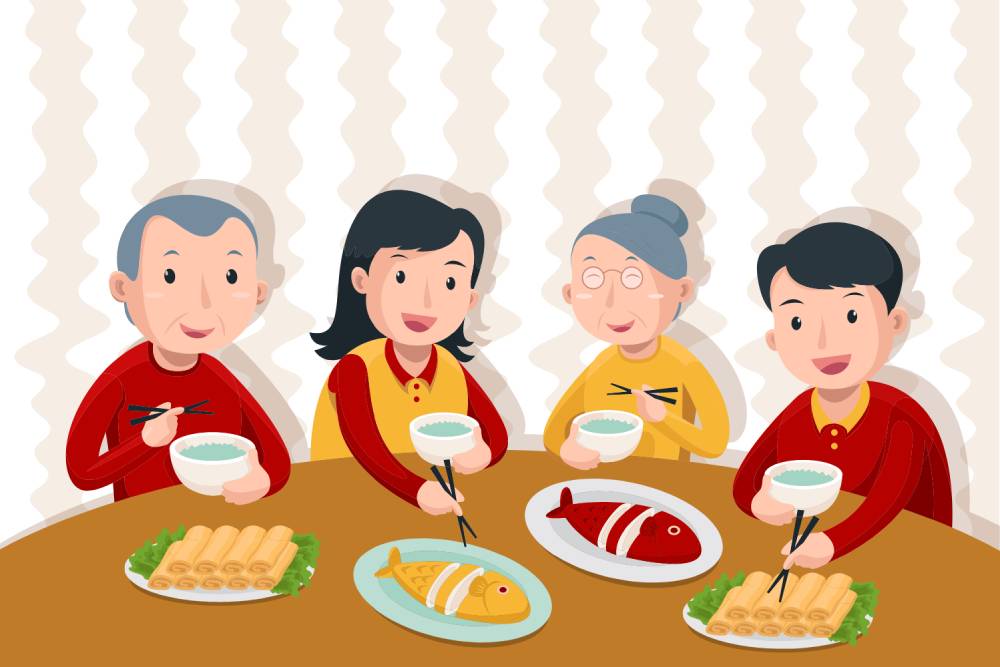
During Chinese New Year, foods such as dumplings, fish and more are enjoyed, as they are not only delicious and bring the family together but also have symbolic meaning.
Fish is eaten as its Chinese word “yu” is similar to the word for “surplus”. Dumplings and spring rolls represent wealth; tang yuan or sweet rice balls promote family togetherness; while “good fortune” fruits such as oranges, tangerines and pomelos are believed to bring luck and happiness.

4. No bad spirits
In the olden days, the Chinese would burn bamboo sticks to produce crackling sounds, believing this would ward off bad spirits on New Year’s Eve.
This has evolved into the custom of lighting fireworks and firecrackers to usher in the New Year, which is also a great way to enhance the festive atmosphere.
Meanwhile, in Chinese culture it is believed the lion symbolises strength, stability and superiority, while the dragon represents power, boldness and excellence.
During CNY, dances for both these creatures are vibrantly performed to the beat of loud drums to chase away evil spirits and welcome prosperity.
5. Be well
It is considered taboo for a person to consume medicine on the first day of CNY, as it is believed he or she will be frequently unwell for the rest of the year.
In the olden days in China, sick people would break their medicine pots when they heard the bell ringing in the New Year, believing this custom would get rid of illnesses in the coming year.
6. Go green (or orange, red, or yellow)
Some plants are considered auspicious, such as Mandarin orange and lime trees, lucky bamboo, cherry blossoms, and pussy willows. Placing these around your house are thought to bring wealth and good luck in the New Year, especially those with red or yellow colours.
While real plants have the added benefit of cleansing indoor air and are generally more ecologically friendly, many opt for fake varieties as they tend to be more affordable while still bringing beauty and colour into the home.

7. Online ang pows
Ang pows are traditionally given by parents or married relatives to younger ones to wish them luck and prosperity in the New Year. But in recent years, people have started sending e-ang pows in lieu of the conventional red packets, with over 820 million sent in China via the WeChat messaging app in 2019.
This trend is likely because it is more convenient and, in this day and age when Covid-19 still runs rampant, it limits physical contact between sender and recipient.
8. Rent-a-partner
It can be frustrating when family members pressure you to find your soulmate and settle down. This is especially true in China for single people in their late 20s or early 30s, who get so desperate that they opt for a temporary boyfriend or girlfriend.
Indeed, there has lately been an increase in social media posts advertising “rent-a-partner” services. Whether or not these are genuine is another matter, but if it keeps inquisitive relatives satisfied during the holiday period, maybe it’s worth signing up for!