But many of those performances may not count.
Without sanction from Malaysia Athletics (MA), results from meets organised by the Federal Territories Athletics Association (FTAA) risk going unrecognised.
That has raised concern over rankings, selection and funding, even as participation continues to grow.
FTAA says it applied for sanction and followed up with formal appeals, but has yet to receive any response from the national body.
The silence has put a question mark over competitions that are otherwise drawing strong numbers from across the country and Singapore.
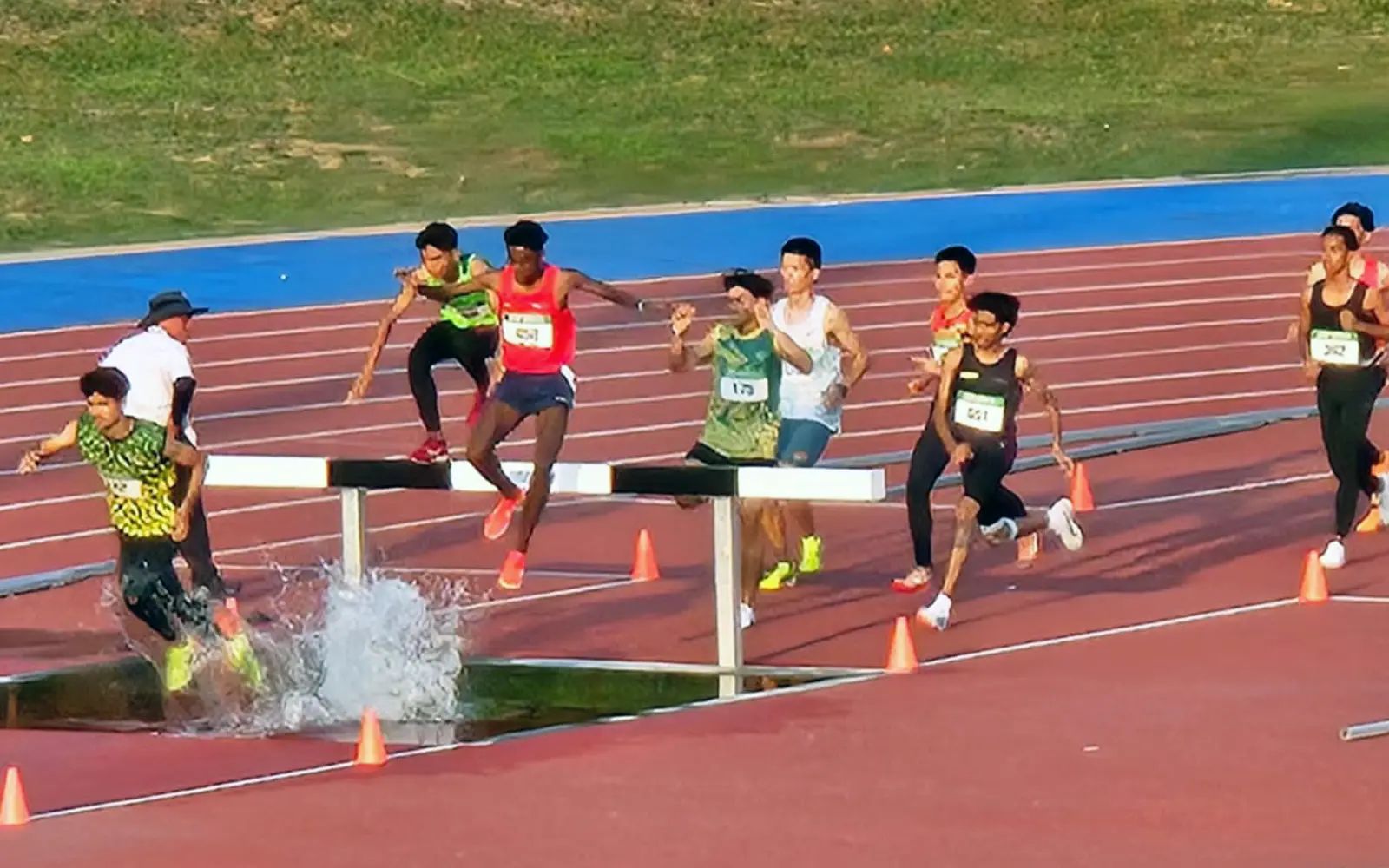
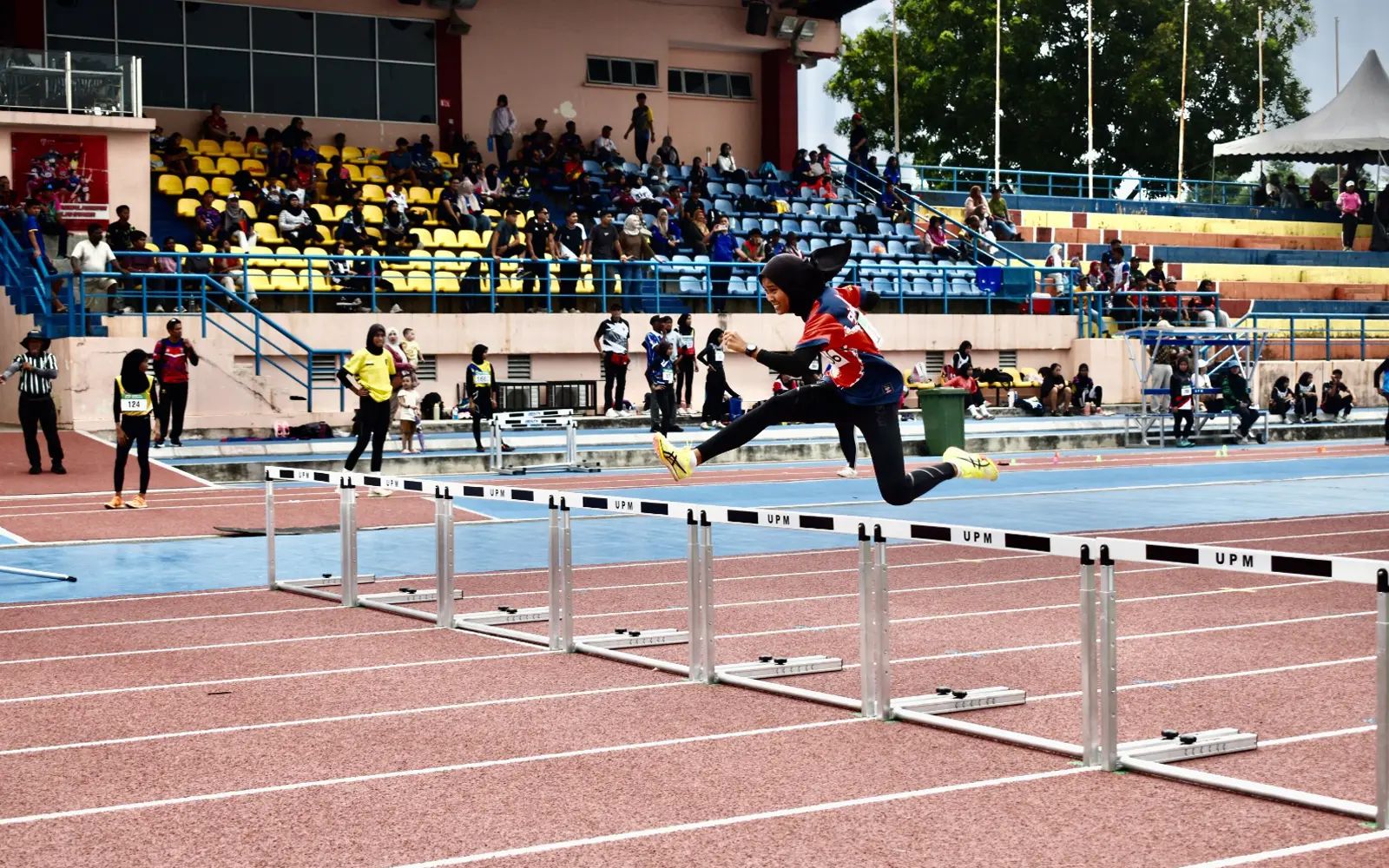
Last weekend’s junior all-comers meet underlined that demand. A total of 1,298 athletes aged 16 to 21 took part, with long start lists in runs, throws and jumps.
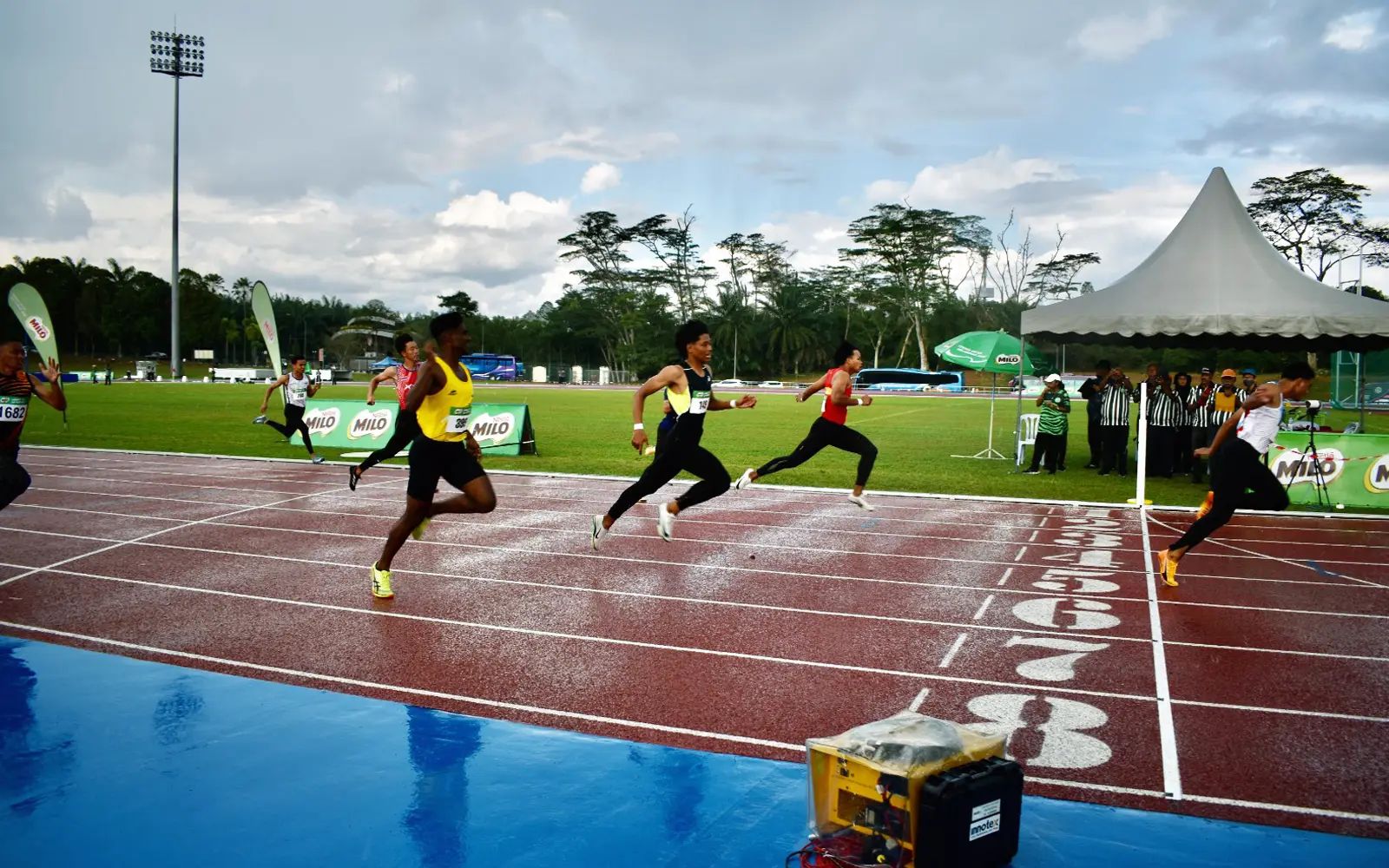
The 100m and 200m required multiple heats, while the 400m and distance races followed the same pattern. Field events were also full, and the programme ran deep into the day.
The turnout mirrored the Rakan Muda development championships in September last year, which drew 1,613 athletes and forced organisers to cap entries.
Together with a pre-Sukma meet scheduled for May that has also not received sanction, three FTAA competitions now sit in the same position.
On the track, the numbers are rising. Off it, recognition remains unclear.
When results lose recognition
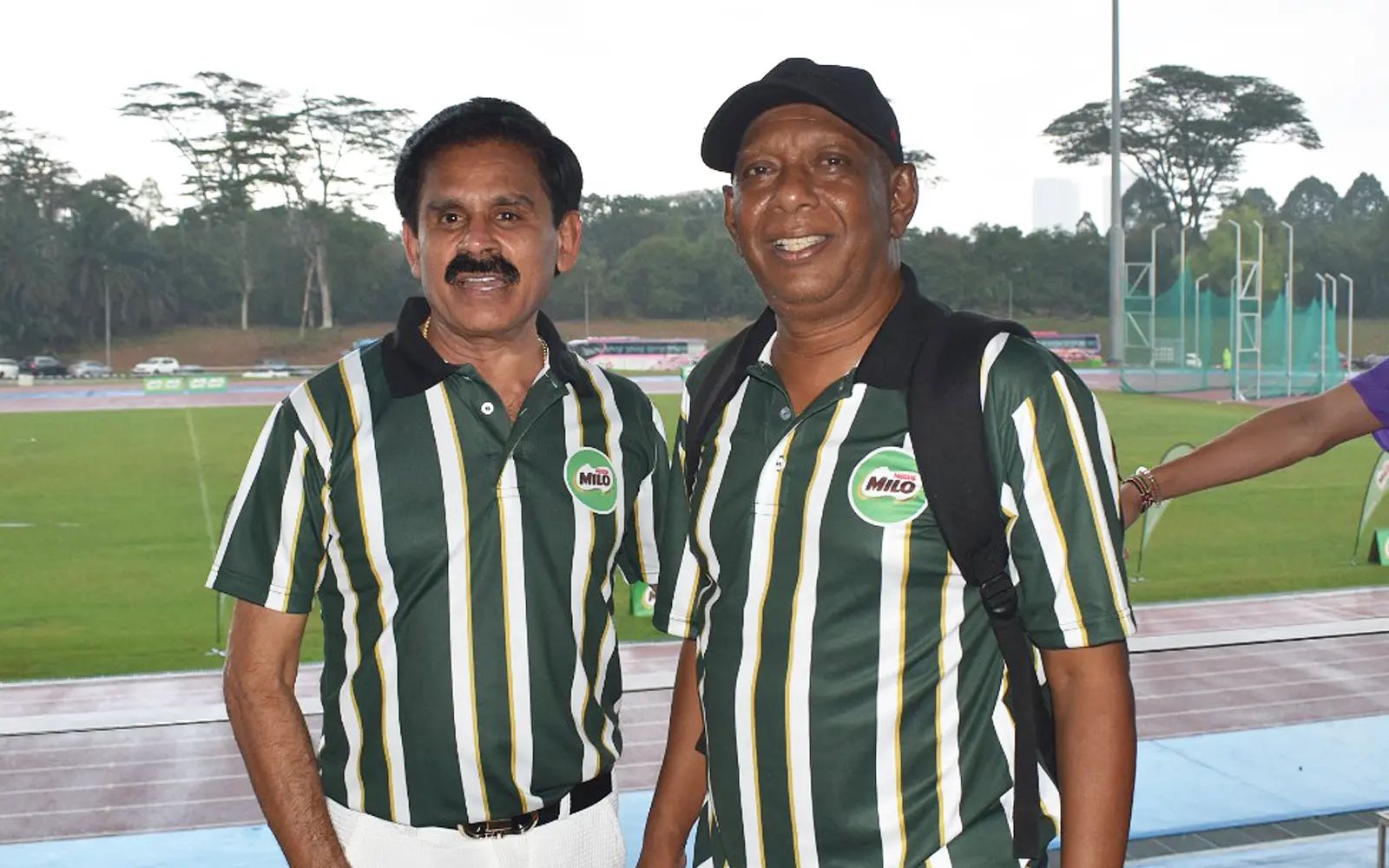
The absence of sanction carries real consequences, and FTAA president V Pulainthiran set them out plainly.
Without official approval, he said, results may not be recognised for national rankings. Recorded times and distances may not be accepted as official marks, while achievements may fall short of qualification standards for major competitions.
“Performances lose their competitive value,” he said. “Athletes have trained and competed seriously, but those results may not count in the system.”
The impact extends to selection. Entry into national championships, trials and talent identification programmes depends on recognised performances.
“It affects their pathway,” Pulainthiran said. “If the results are not recognised, how do they move to the next level?”
For many, these meets have become a stepping stone towards the Malaysia Games (Sukma), where state squads are formed and young careers begin to take shape.
That makes recognition critical.

Olympic Council of Malaysia secretary-general Mohd Nasir Ali, who attended the meet, captured the mood in a note to Pulainthiran.
“Congratulations on a very successful organisation of such a big event,” he wrote. “You have done a great help to young, upcoming talent.”
Pulainthiran said the growth on the ground needs to be matched by support within the system.
“There is strong participation,” he said. “But recognition must follow, otherwise the athletes are the ones affected.”
He also pointed to the impact on sponsorship. Competitions without sanction may find it harder to attract partners, as sponsors tend to support recognised events.
“There is a perception issue,” he said. “When there is no sanction, people question the status of the competition.”
Funding, process and accountability
The issue has already affected funding.
For events to qualify under the youth and sports ministry’s sports matching grant (GPS) scheme, organisers must submit a sanction letter from the national body.
The requirement is meant to ensure competitions meet recognised standards and align with the national structure.
GPS works on a co-funding model. Organisers raise part of the budget, and the government matches a portion.
FTAA’s application was approved in principle, but without the sanction letter, the claim could not proceed. The association has since absorbed the RM40,000 shortfall.
Pulainthiran said the situation highlights a gap.
“We complied with the requirements that were within our control,” he said. “But when the sanction does not come, the impact falls on us.”
The matter was raised at a town hall engagement with national sports bodies in January, attended by officials from the ministry of youth and sports and the office of the sports commissioner.
The discussion focused on accountability, especially in cases where sanction requests do not receive a response.
The commissioner’s office said it would review the matter and advised FTAA to submit a formal complaint. It also recommended copying the office in future correspondence as a monitoring measure.
FTAA has since done so.
Applications for subsequent competitions, including this month’s meet and the pre-Sukma meet in May, were submitted with the commissioner’s office copied in.
As of mid-February, FTAA says it has still not received any reply from MA despite reminder emails.
MA has not responded to questions for this article.
The situation raises broader questions. What timelines govern sanction approvals, and how long should organisers wait for a decision?
Should there be a service-level agreement, or SLA, to ensure responses within a defined period?
If no reply comes, can the sports commissioner step in? Can the ministry exercise discretion when all other conditions are met?
Pulainthiran said clarity is needed.
“We are not asking for special treatment,” he said. “We are asking for a clear process so that development programmes are not affected.”
Momentum on the ground
While the administrative issues remain unresolved, activity on the track continues to grow.
FTAA’s meets have drawn athletes nationwide. Schools and clubs have responded, and for many young athletes, these competitions offer their first structured platform beyond the school circuit.
The scale of last weekend’s meet reflected that demand and coaches spoke of rising standards, driven by regular competition.
The September meet showed the same pattern, with packed events and extraordinary turnout.
For many athletes, these competitions are now part of their pathway to Sukma that is primarily for athletes aged 21 and below.
Pulainthiran said FTAA will continue its programme despite the challenges.
“We are not going to stop,” he said. “The athletes need these competitions. The support is there, and we can see the results.”
He said waiting for ideal conditions is not an option.
“If we wait for everything to be resolved, nothing will move,” he said. “We will continue to build, and we hope the system will support what is already working.”
Parents and athletes share that hope. They want continuity, and they want the results achieved on the track to carry weight.
Whether those performances translate into recognised progress may depend on decisions made far from the track.