“Bank Indonesia is committed to remain present in the markets via spot transactions, offshore and domestic non-deliverable forwards, as well as by optimising all monetary policy instruments to reduce pressures on the rupiah,” Senior deputy governor Destry Damayanti said in a mobile-phone message late Tuesday.
Foreign capital inflows into the central bank’s rupiah securities and government bonds are also improving, she said.
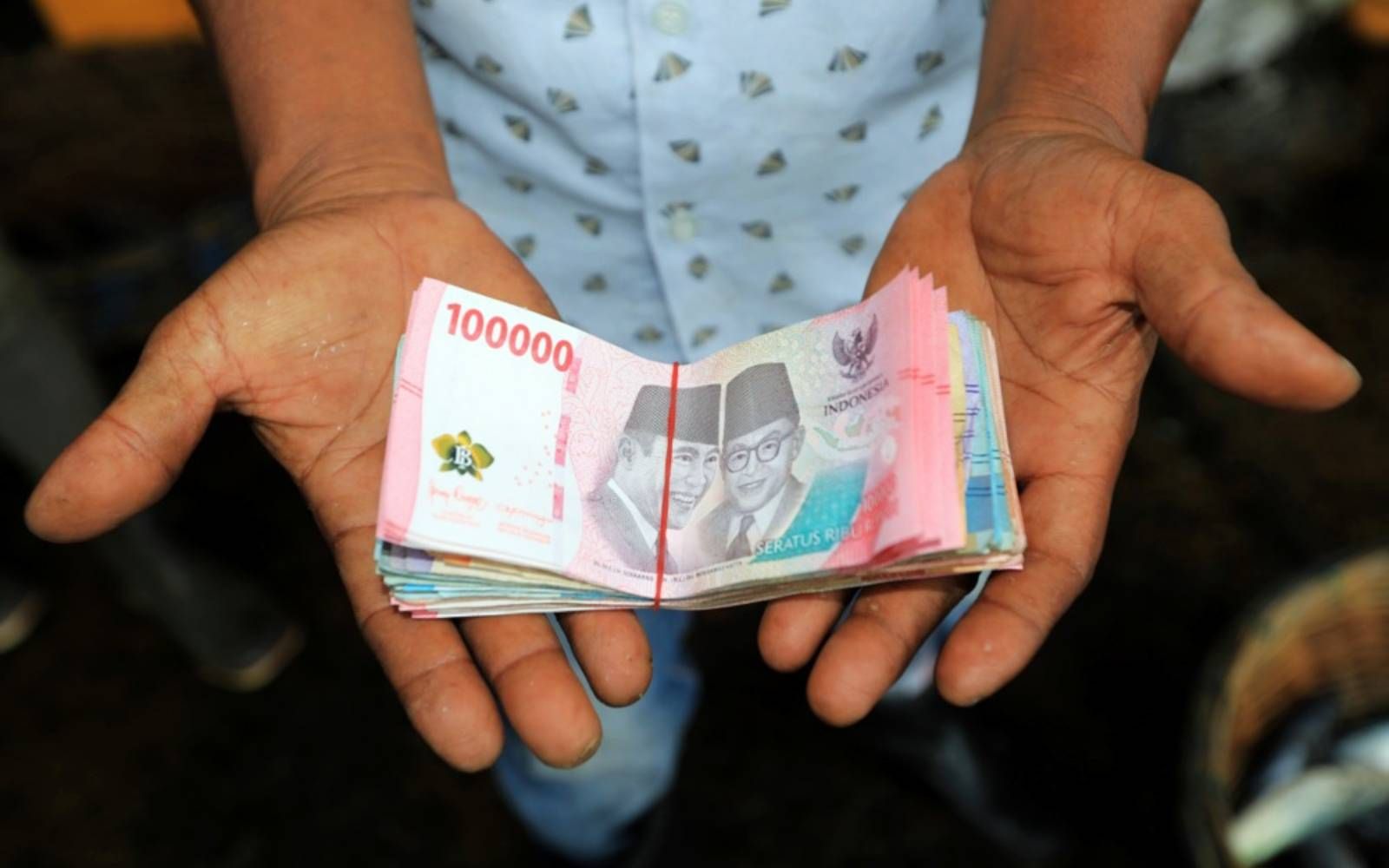
The rupiah fell as low as 17,534 per dollar on Wednesday after weakening to a record low of 17,525 per dollar on Tuesday. The currency has slid nearly 5% this year, making it among the worst performers in emerging markets.
A number of Asian central banks, including Indonesia, the Philippines and India, are stepping up the defence of their currencies as oil prices surge due to the Iran war. In Indonesia, concerns over the nation’s fiscal health and the risk of an MSCI Inc downgrade for local stocks are adding to pressure on the rupiah.
The weaker currency, alongside subdued sentiment, hurt demand for a government bond auction on Tuesday. Total bids amounted to 51.40 trillion rupiah (US$2.93 billion) with the bid-to-target ratio at 1.43, the lowest since an auction on Jan 7, 2025, according to data compiled by Bloomberg.
The government sold bonds and bills totaling 30.3 trillion rupiah at the auction, below target for the first time since Sept 9, according to Bloomberg-compiled data.
Bank Indonesia has been ramping up bill sales to support the rupiah. The total amount of Indonesian central bank bills outstanding climbed by the most in almost two years last month as the monetary authority sought to attract capital inflows to support the weakening currency.
Seasonal factors – including dollar demand to pay foreign debt, dividend repatriation and outflows due to Islamic pilgrimages to Saudi Arabia – will likely subside and allow the rupiah to return to its fundamental levels, Damayanti said, without elaborating on a specific level.