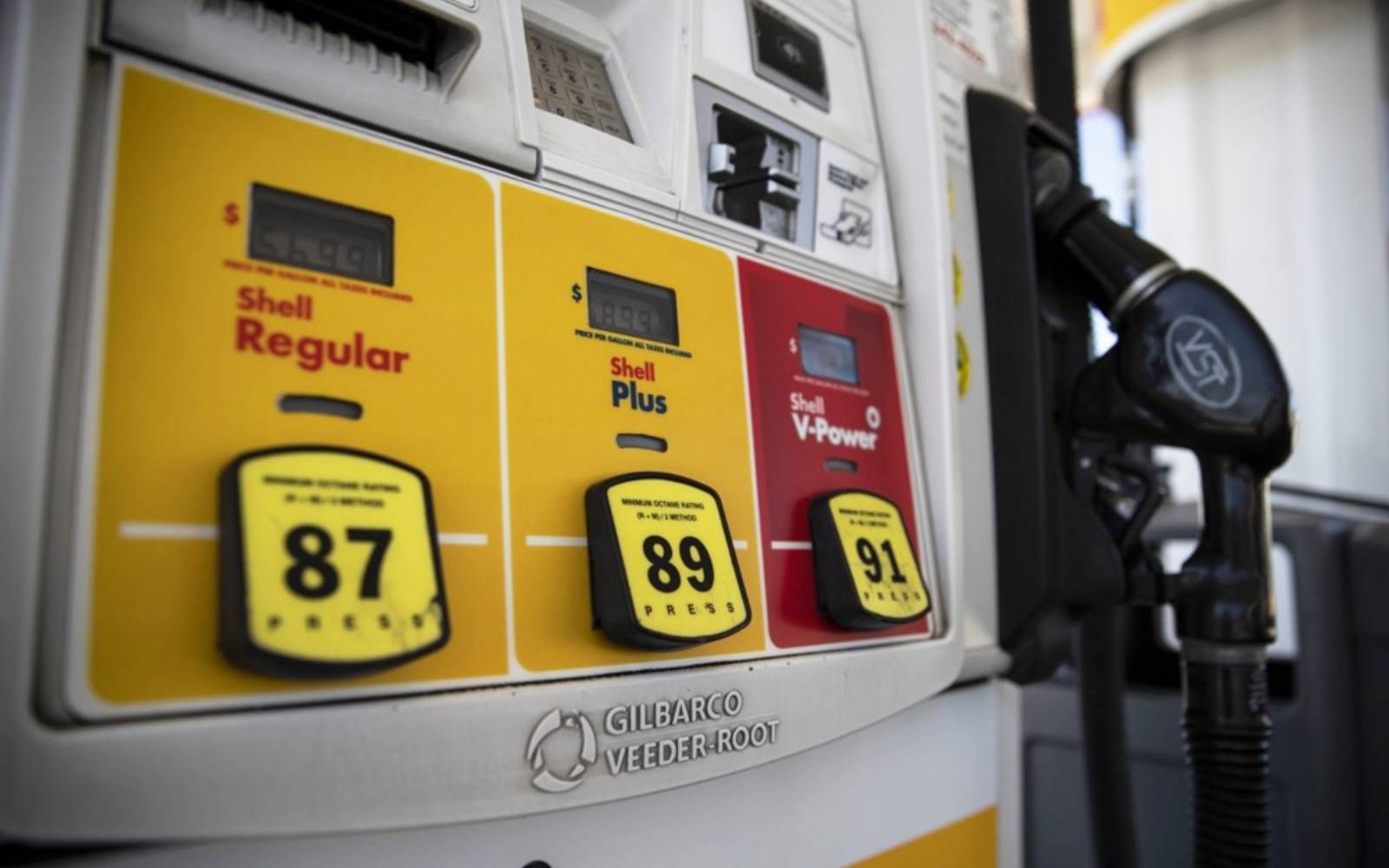
Americans paid an average of US$4.18 per gallon on Tuesday. Prices were last at a similarly high level around four years ago, following the start of Russia’s war on Ukraine.
At the start of the Iran war in late February, the average price stood at US$2.98 per gallon. Since then, prices have risen by around 40%.
The increase is also linked to the blockade of the Strait of Hormuz, a key route for global oil trade. Since fighting began in late February, shipping traffic through the strait has almost ground to a halt.
While oil exports from the Gulf states go primarily to East Asian countries such as China and Japan, commodity prices have risen worldwide, affecting drivers around the globe.
By comparison with European countries such as Germany, Americans still pay relatively little at the pump.
Converted to litres and euros, the current US petrol price is around €0.94 per litre, compared with over €2 at German petrol stations. The US charges lower taxes and duties per litre of fuel and also has large domestic oil reserves.
The price rise is an uncomfortable issue for the US government as president Donald Trump had promised during the election campaign to halve energy prices in the country. With around six months to go before the congressional midterm elections, he is far from achieving that goal.
The government has described the rise as merely temporary. However, the US Energy Information Administration said it could take months for shipping traffic to return to normal levels, even after the Strait of Hormuz reopens.