Trade between the world’s second-largest economy and Europe’s third-biggest market has topped US$70 billion in each of the past five years.
The trade partners agreed on the rebalancing effort during a 2024 visit by Italian prime minister Giorgia Meloni after Italy quit China’s flagship ‘Belt and Road’ (BRI) programme, partly because of insufficient Chinese investment to offset the trade gap.
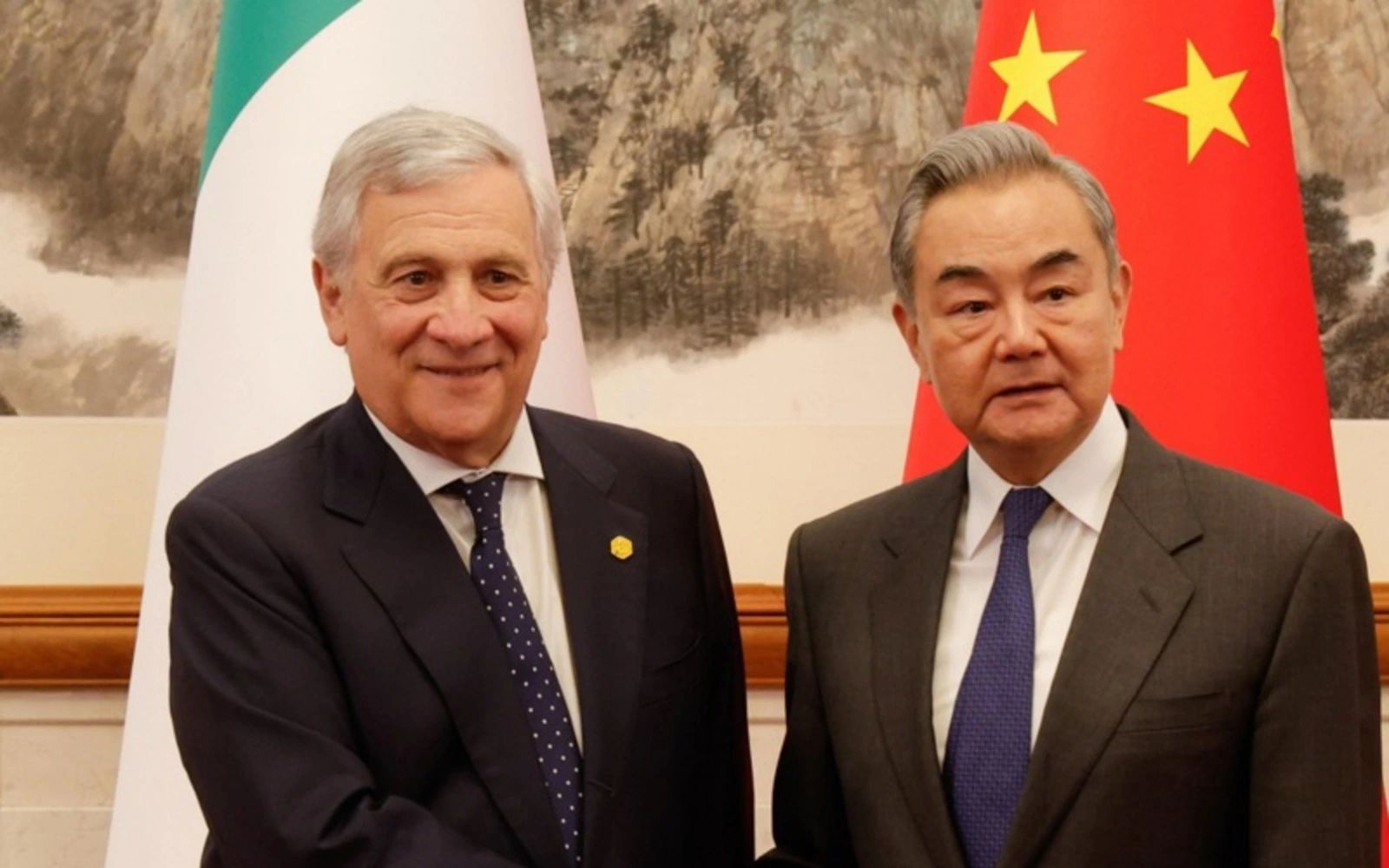
“China is willing to work with Italy to further tap into the potential for cooperation,” commerce minister Wang Wentao told Antonio Tajani yesterday, his ministry said in a summary.
“Italy is expected to play a constructive role in promoting the healthy and stable development of China-EU economic and trade relations,” Wang added, in a nod to Rome’s key role for Beijing’s dealings with the 27-nation bloc.
Trade surplus has widened, Chinese customs data shows
However, Chinese customs data shows the trade surplus with Italy has only widened over the past three years, with its exports of US$51 billion last year up from US$45 billion in 2023, while imports from Italy slipped to US$25 billion from US$27 billion.
China’s top export to Italy last year was smartphones, of which it sold US$2.5 billion, followed by low-value consignments at US$2.3 billion, typically consisting of cheap items from e-commerce platforms such as Temu and Shein.
Medicines and handbags account for Italy’s biggest sales in China, although demand for luxury items appears to be slowing as the Chinese economy struggles to build momentum.
“It is essential to continue along a path towards a more balanced economic relationship,” Tajani told state-owned China Daily in an interview published on Friday.
He singled out fashion, machinery, pharmaceuticals and chemicals as potential growth areas.
Kicking the can down the road
Italy was the only member of the Group of Seven nations to sign up to the BRI, pursuing membership despite appeals by the United States to steer clear of Chinese president Xi Jinping’s main foreign policy programme in 2019.
From Beijing’s perspective, that raises the prospect of Italy again diverging from Washington and its EU counterparts, particularly as differences over the Iran war have recently strained ties between US president Donald Trump and Meloni, one of his closest European allies.
Analysts said Meloni’s 2024 visit and the adoption of the action plan helped China soften the diplomatic embarrassment after Italy’s withdrawal from the BRI programme.
However, with the plan’s 2027 deadline looming, China is in the spotlight to meet targets and fend off European accusations that it is delaying reshaping its economic model, in the struggle to revive domestic demand and lean on exports of cheap goods.
Rome backed European Commission‑proposed tariffs in a bloc‑splitting 2024 vote, aiming to avert a “flood” of Chinese electric vehicles Brussels had warned against.
However, it has signalled it would welcome more sales by Chinese automakers investing in manufacturing in Italy.